
“A firm collective commitment is needed to ensure that literacy is a permanent State policy,” says David Saad, from Instituto Natura
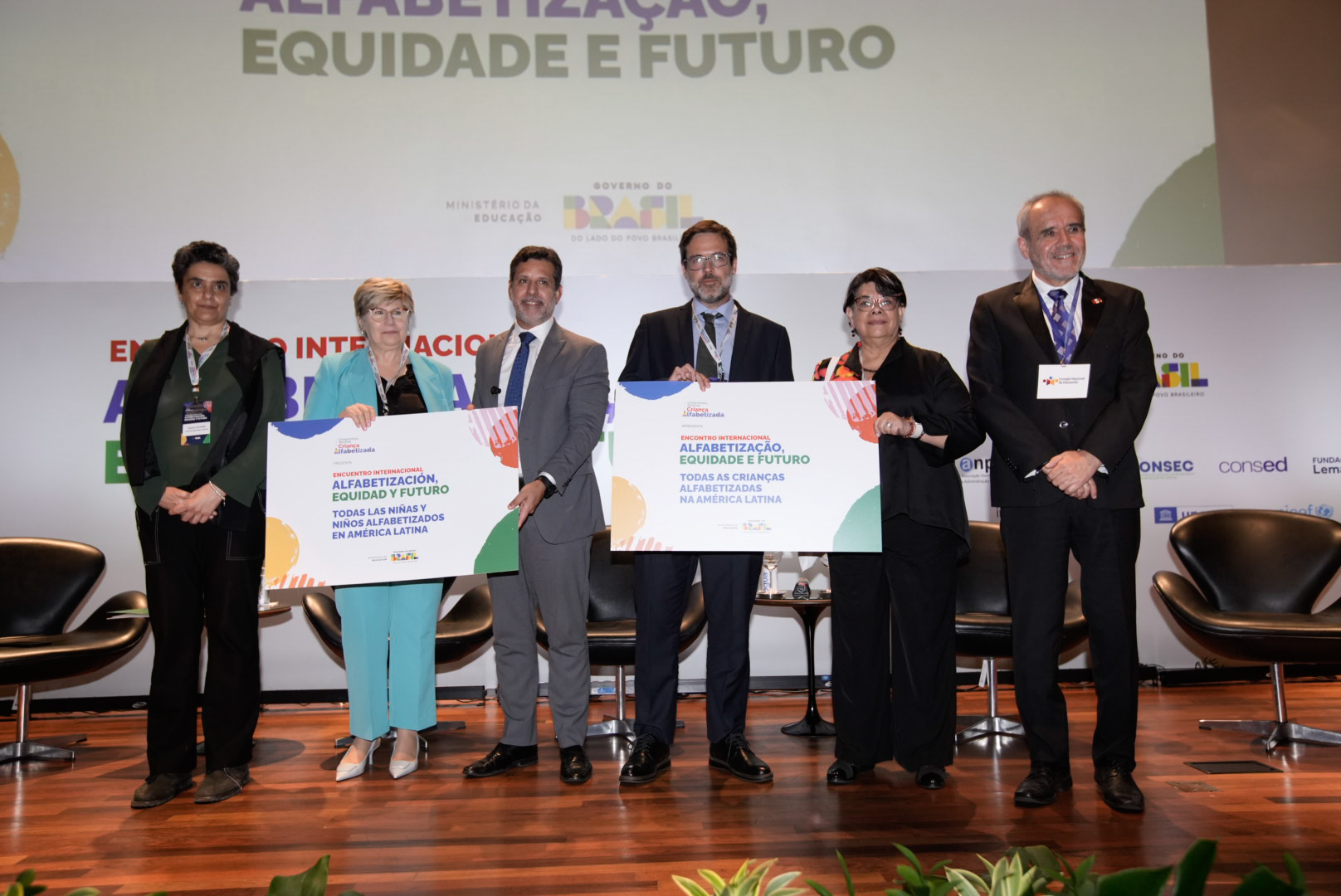
The international meeting reinforced literacy at the right age as a structuring theme for the future of Latin America.
Literacy at the right age is the structural basis on which the entire educational path is organized. When consolidated in the early years, it supports subsequent learning and allows children to progress consistently throughout their school life; when it fails, it compromises trajectories and deepens inequalities that have challenged Latin America for decades. On a larger scale, its effects extend beyond the classroom and impact the socioeconomic development of countries.
“We are experiencing a unique moment in Latin America: literacy is no longer seen as an issue restricted to the early years of children’s education in schools and is now recognized as the structural basis for the entire development of the educational system,” says David Saad, CEO of Instituto Natura for Latin America.
He emphasizes that the impact of this agenda is strategic for the future of the region. “A firm collective commitment is needed, especially from decision-makers, to ensure that literacy is a permanent State policy.”The scope of this transformation begins in the life of each child and extends into society. “If a child learns to read well, this enables them to complete their studies, move on to high school, pursue higher education, and become a citizen capable of contributing to the development of society and their own family,” said Jaime Saavedra, director of the World Bank, during a recent visit to Instituto Natura. It is in this context that literacy ceases to be merely an educational goal and becomes a driver of social mobility and sustainable development.
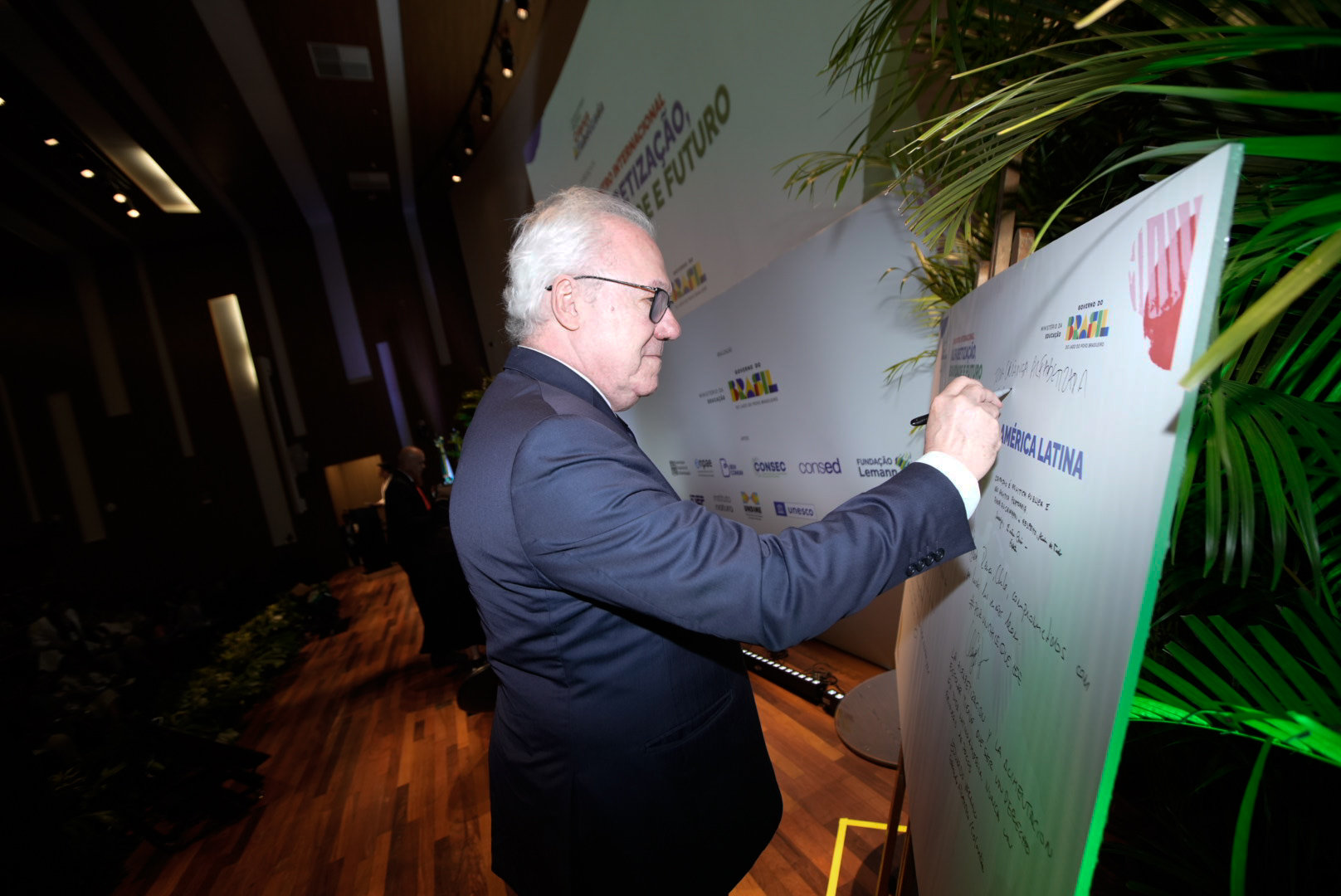
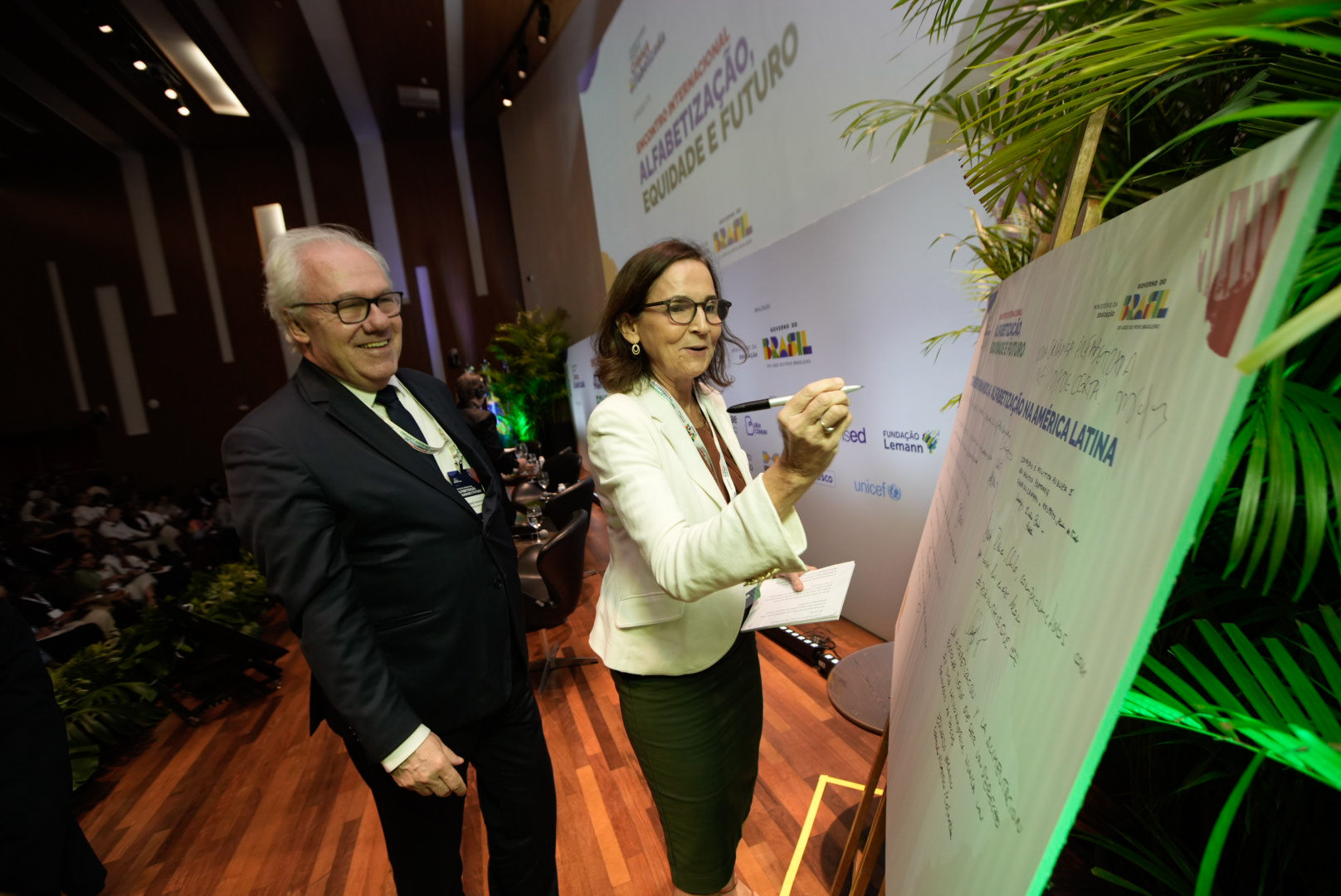
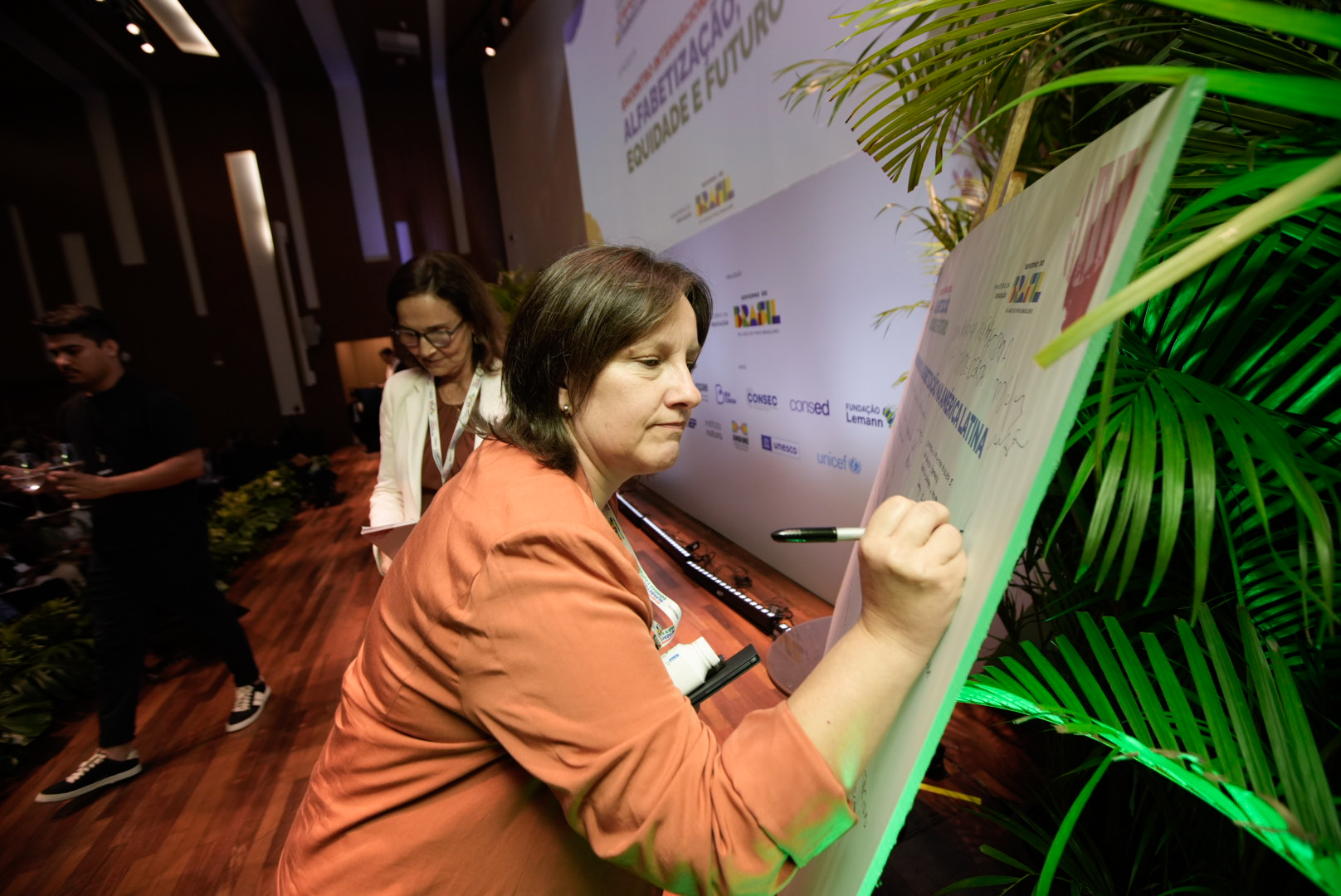
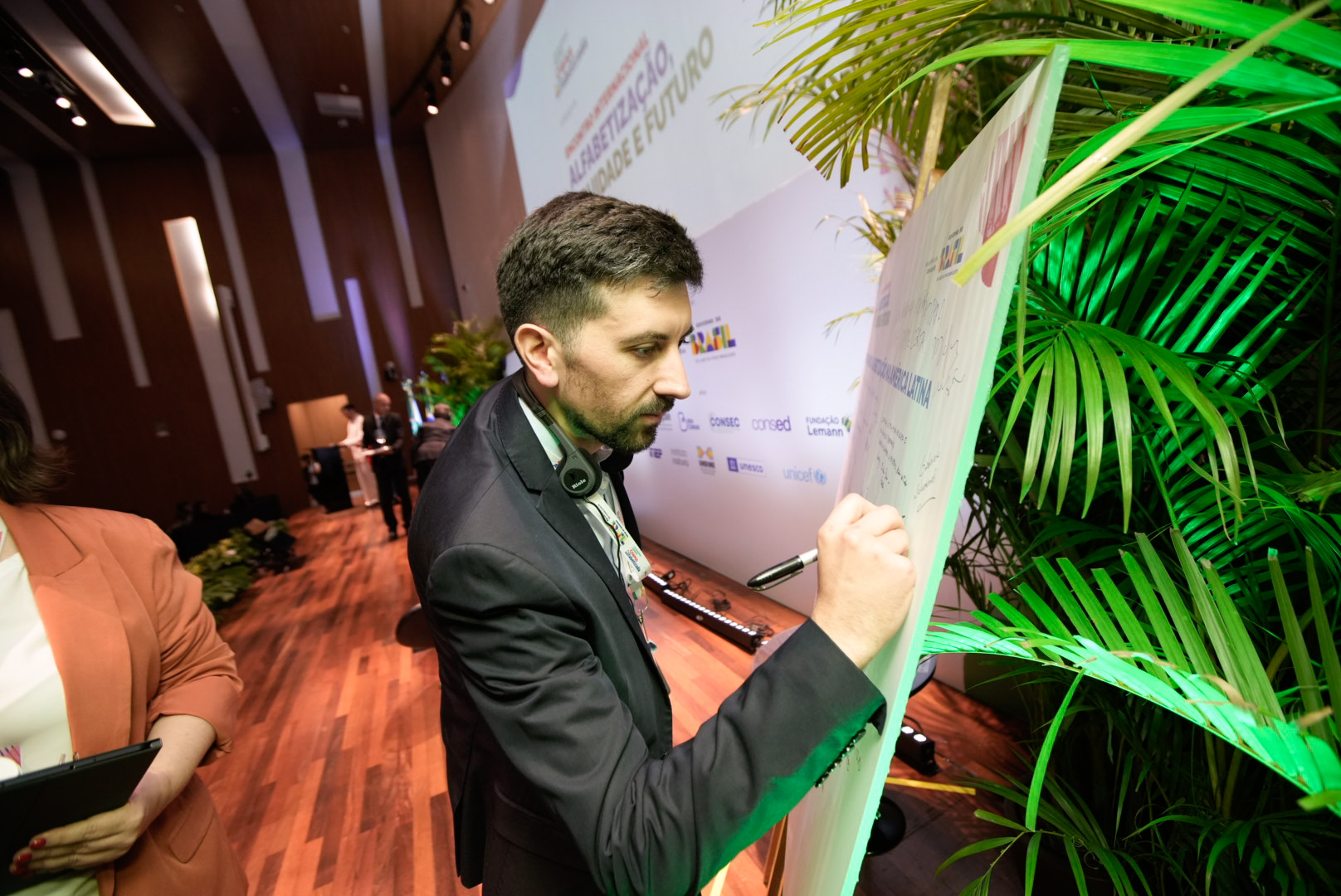
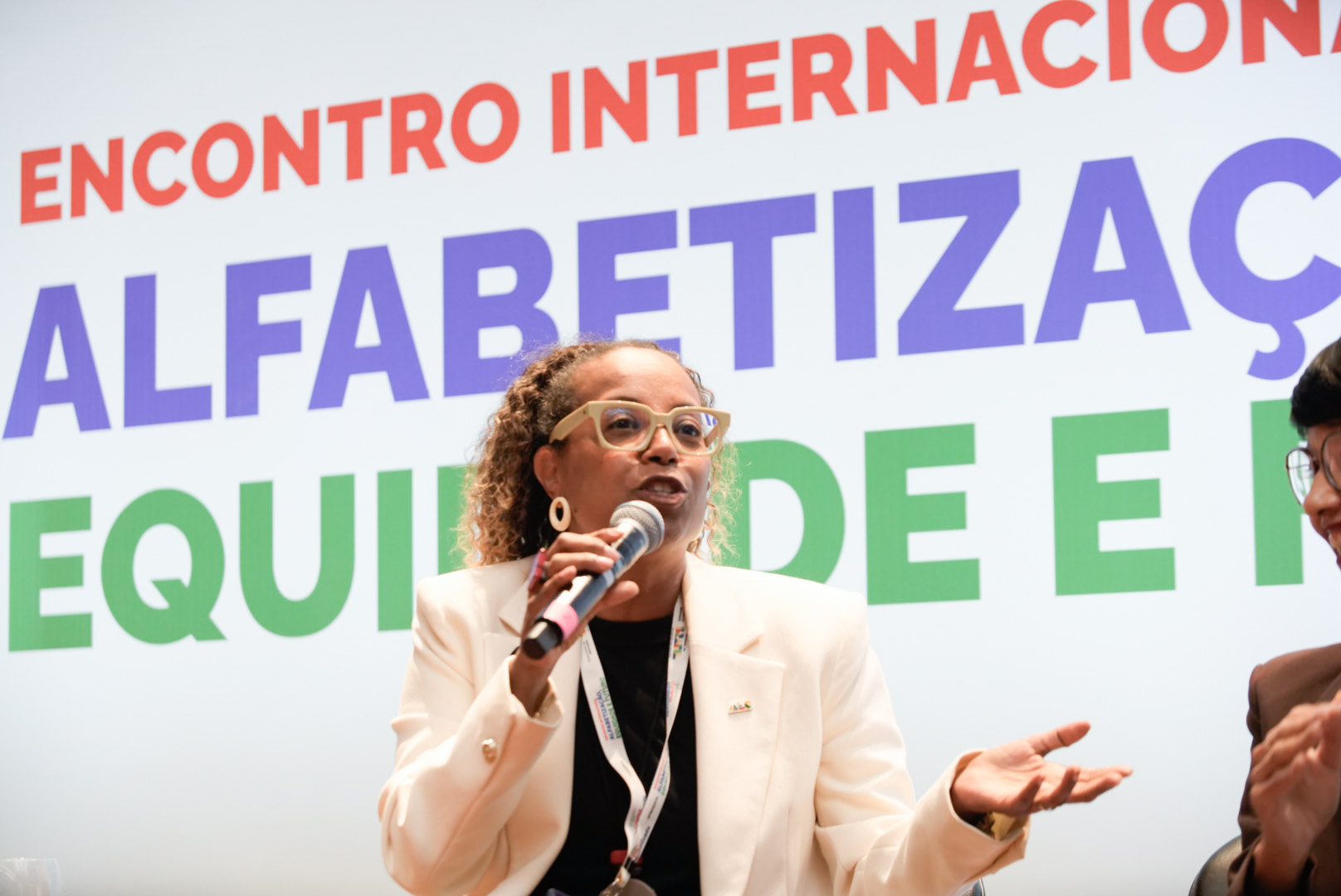
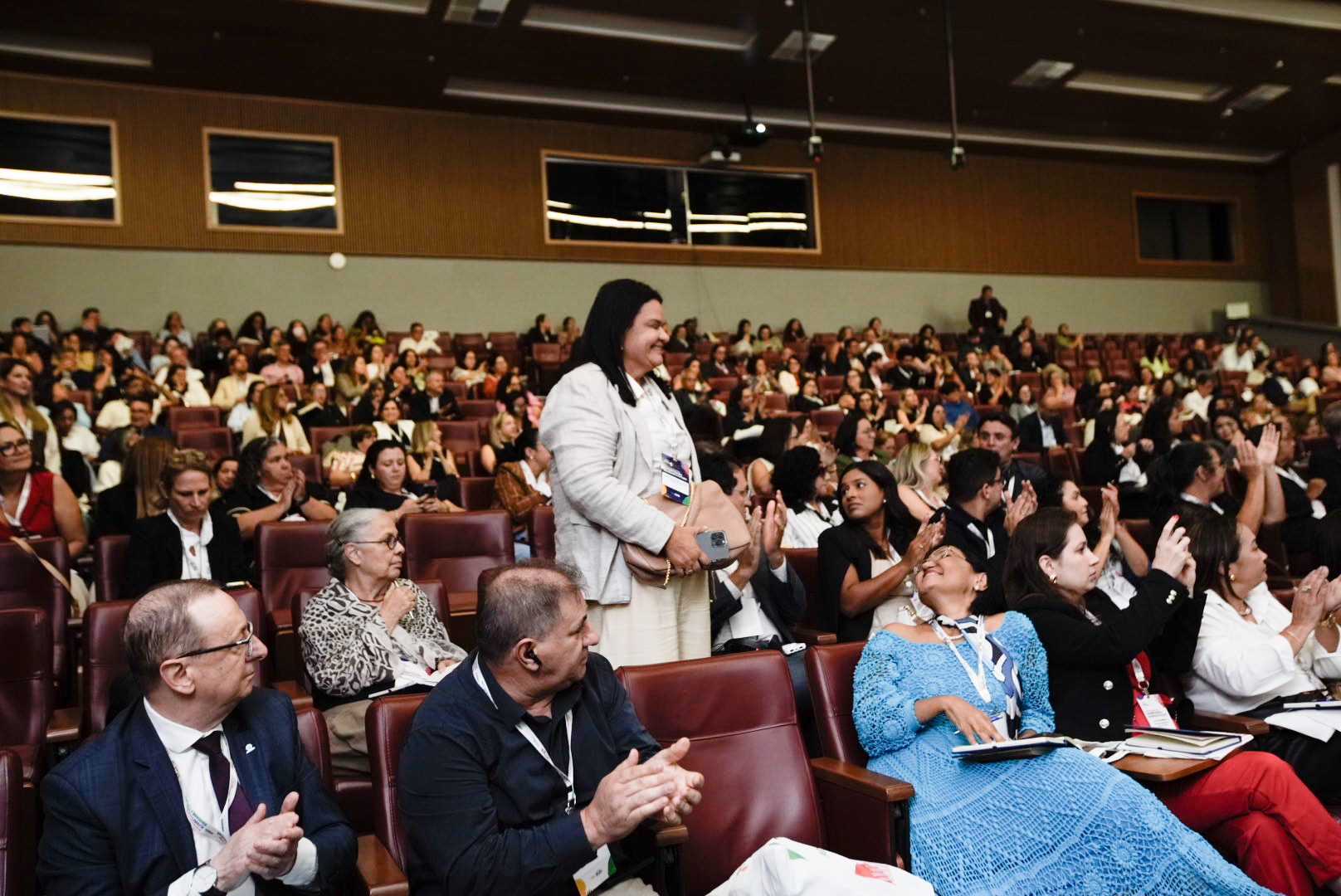
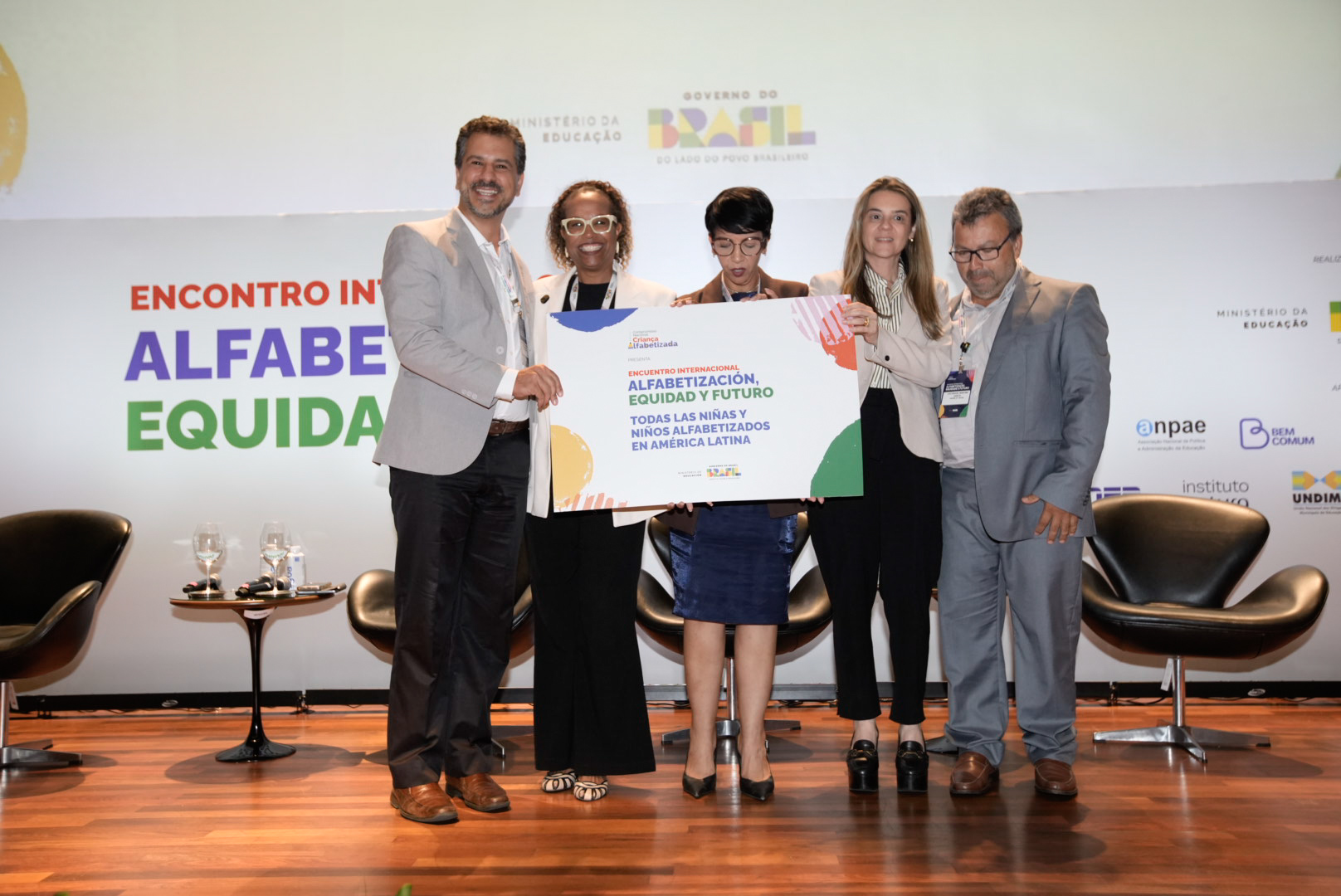
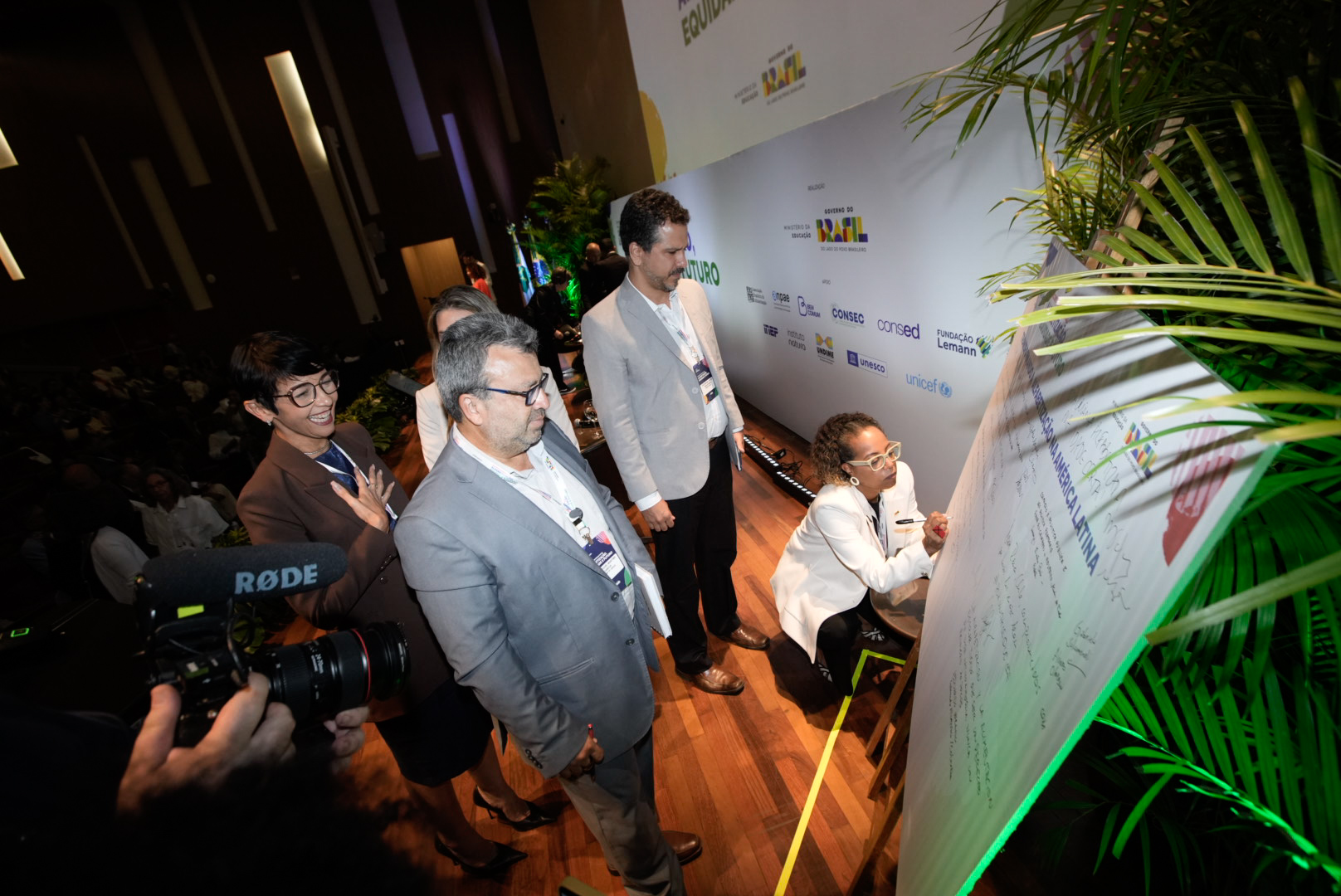
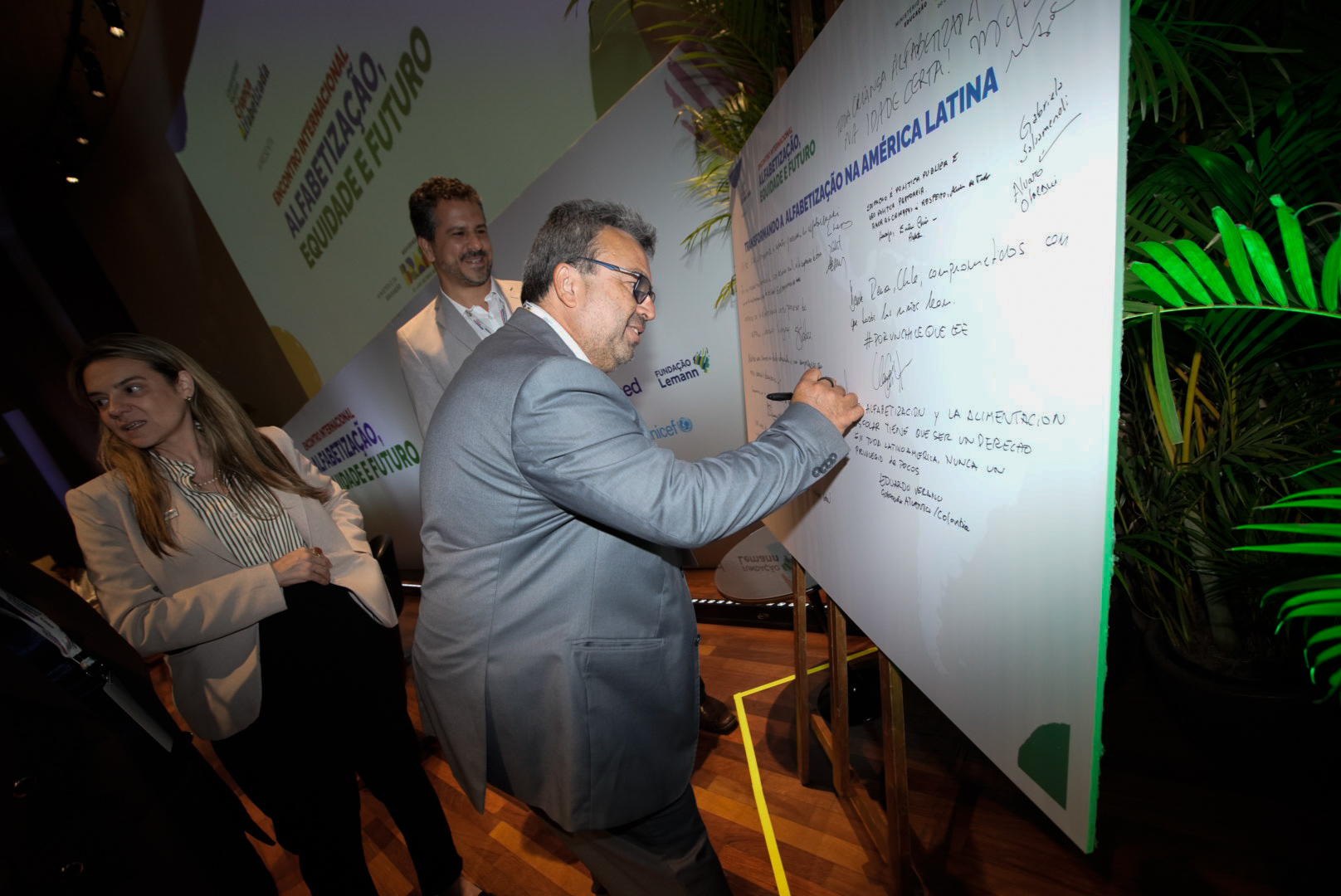
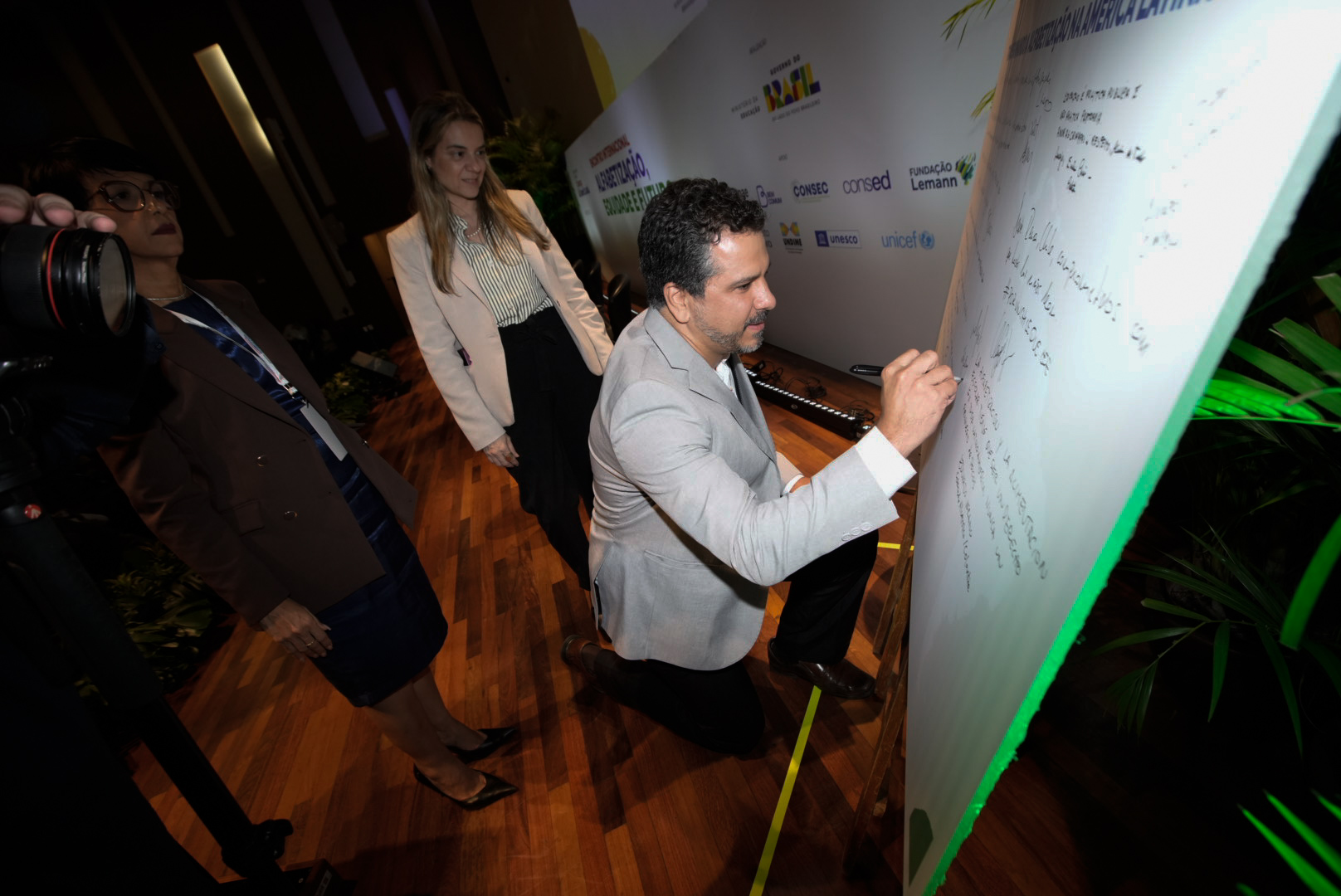
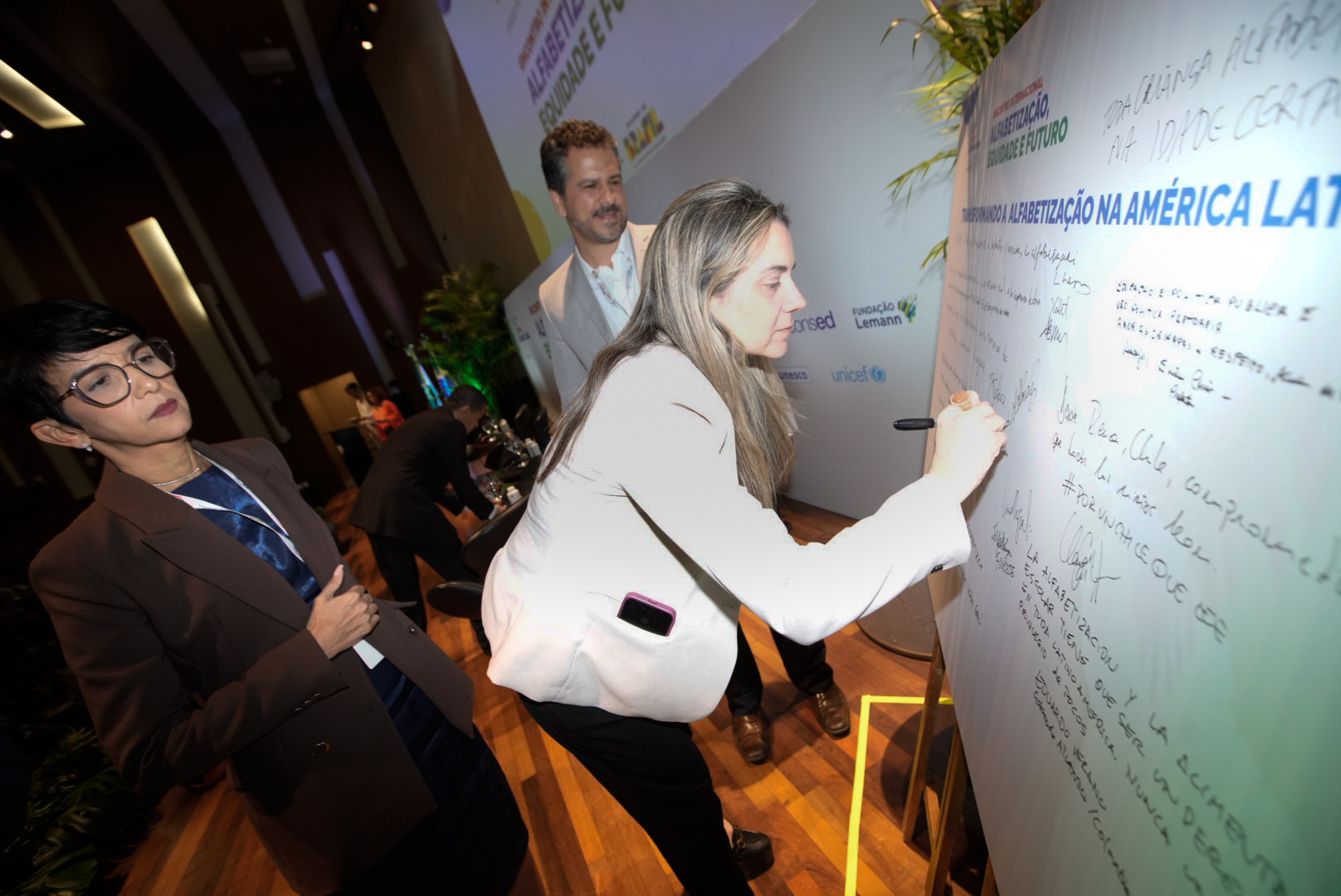
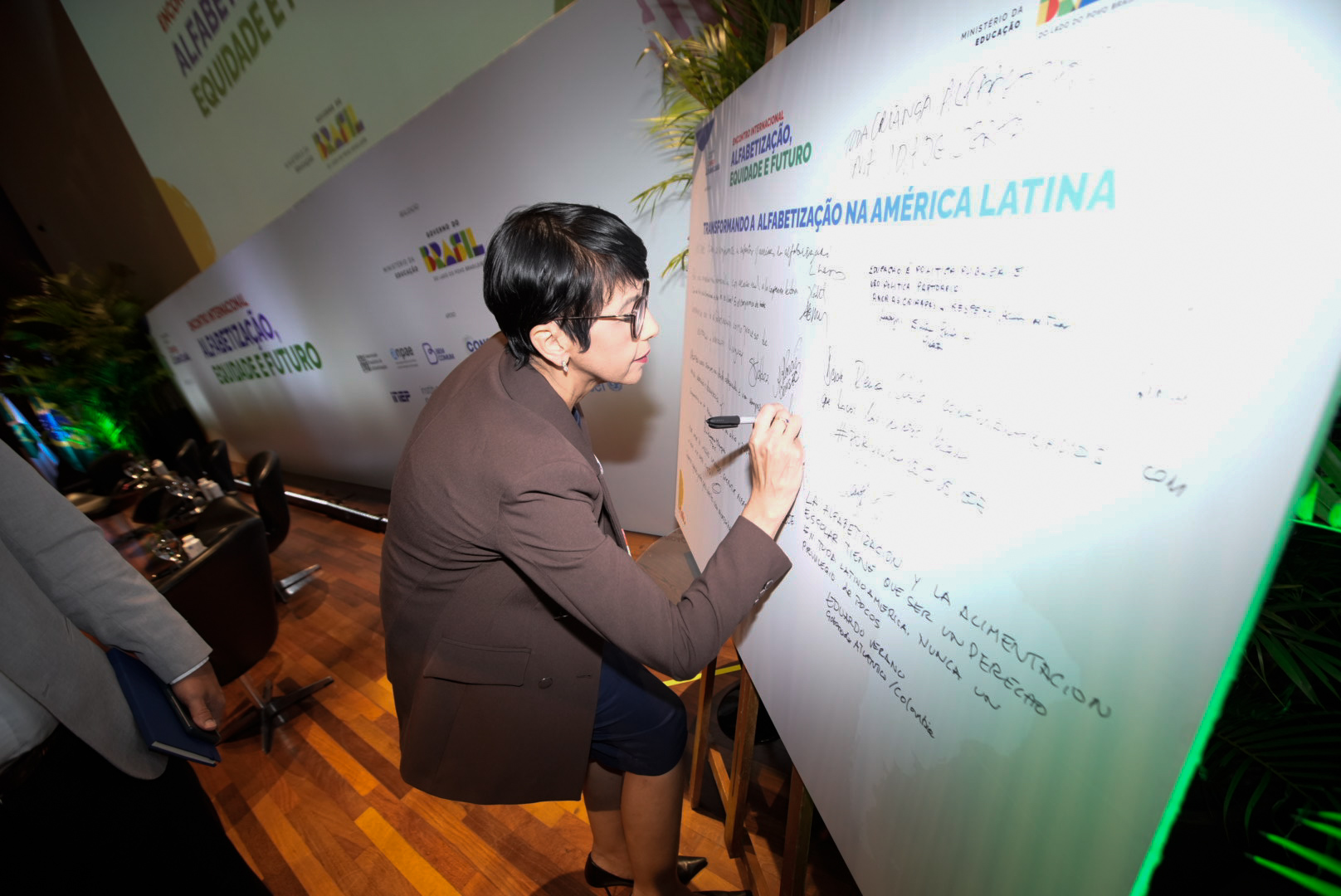
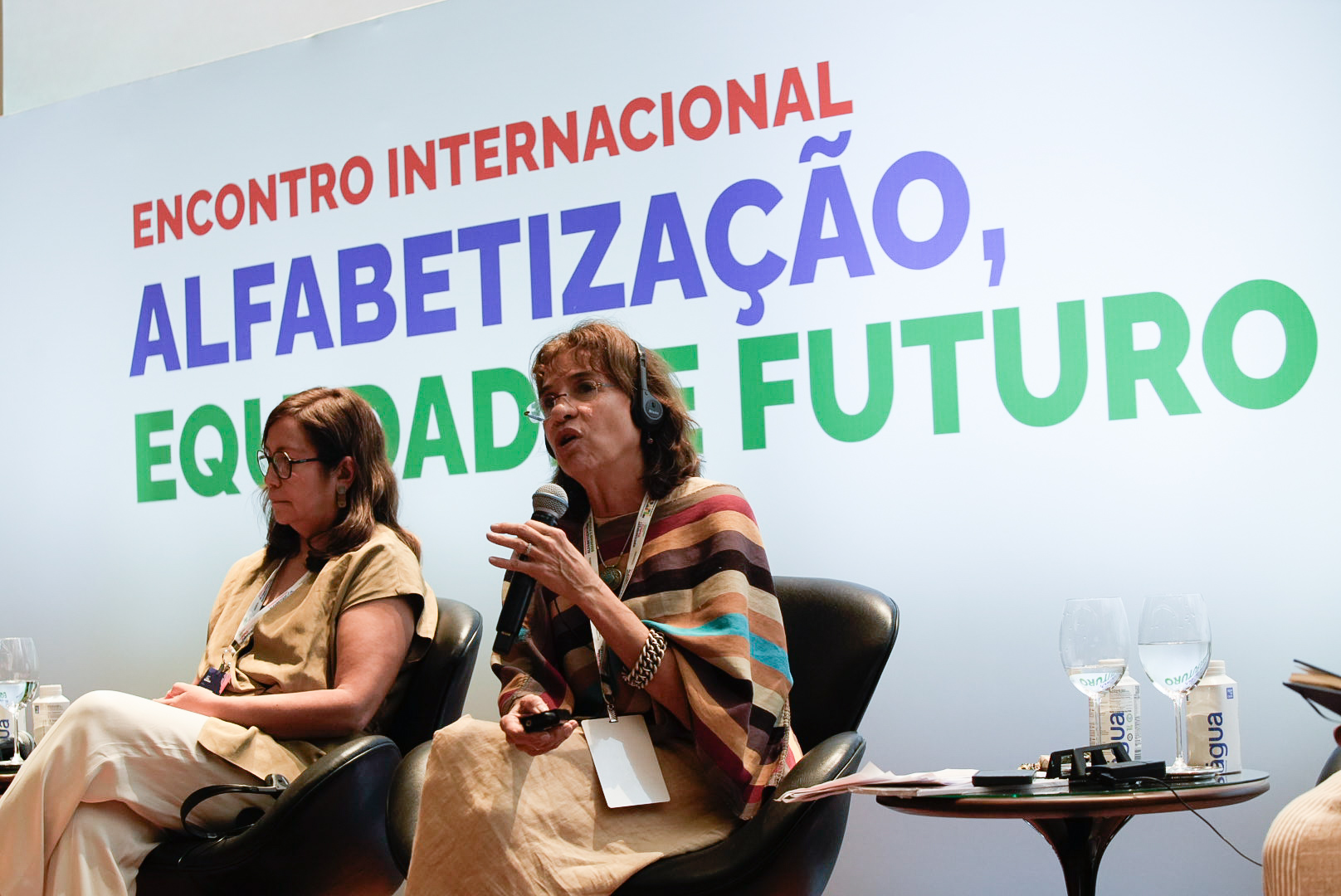
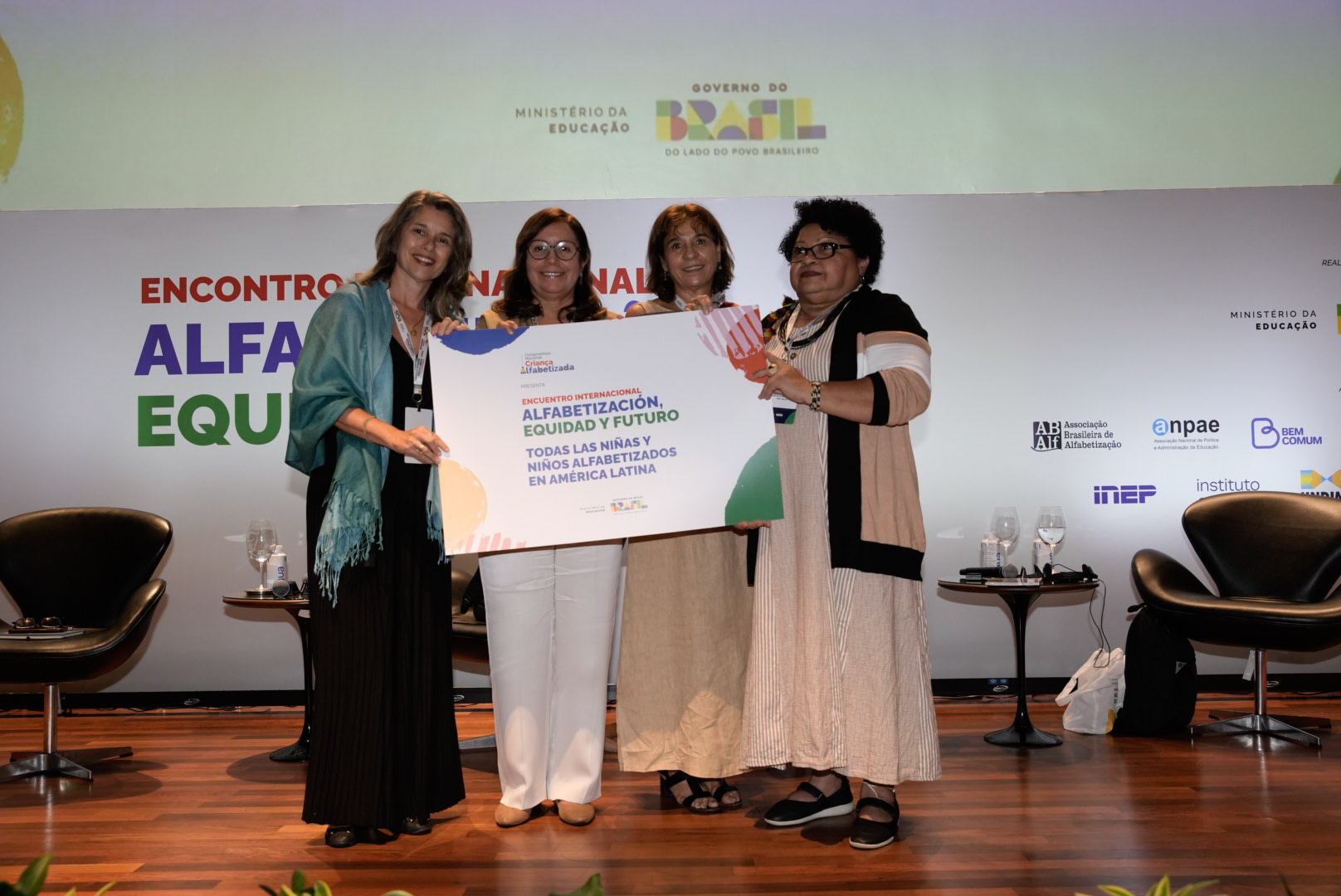
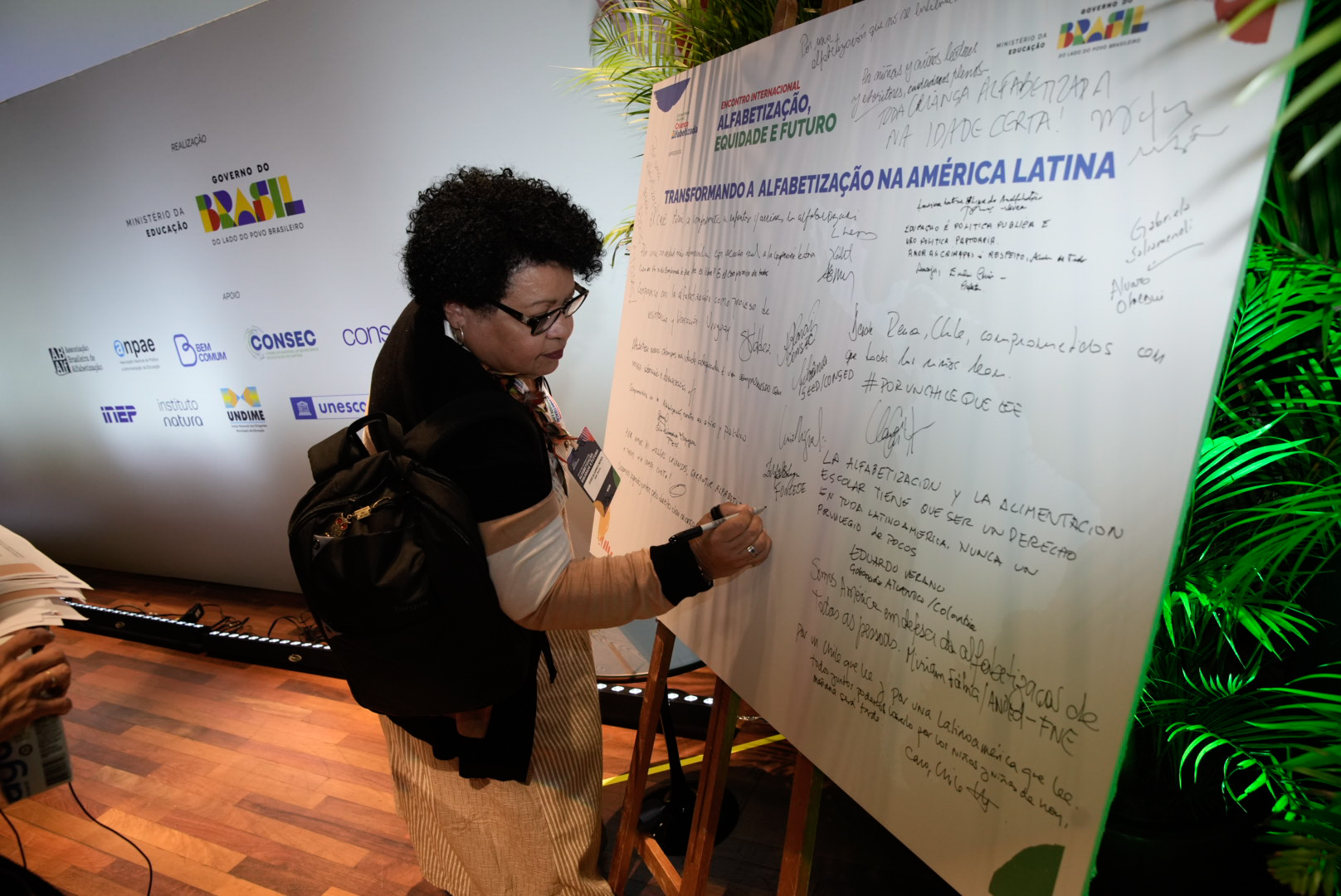
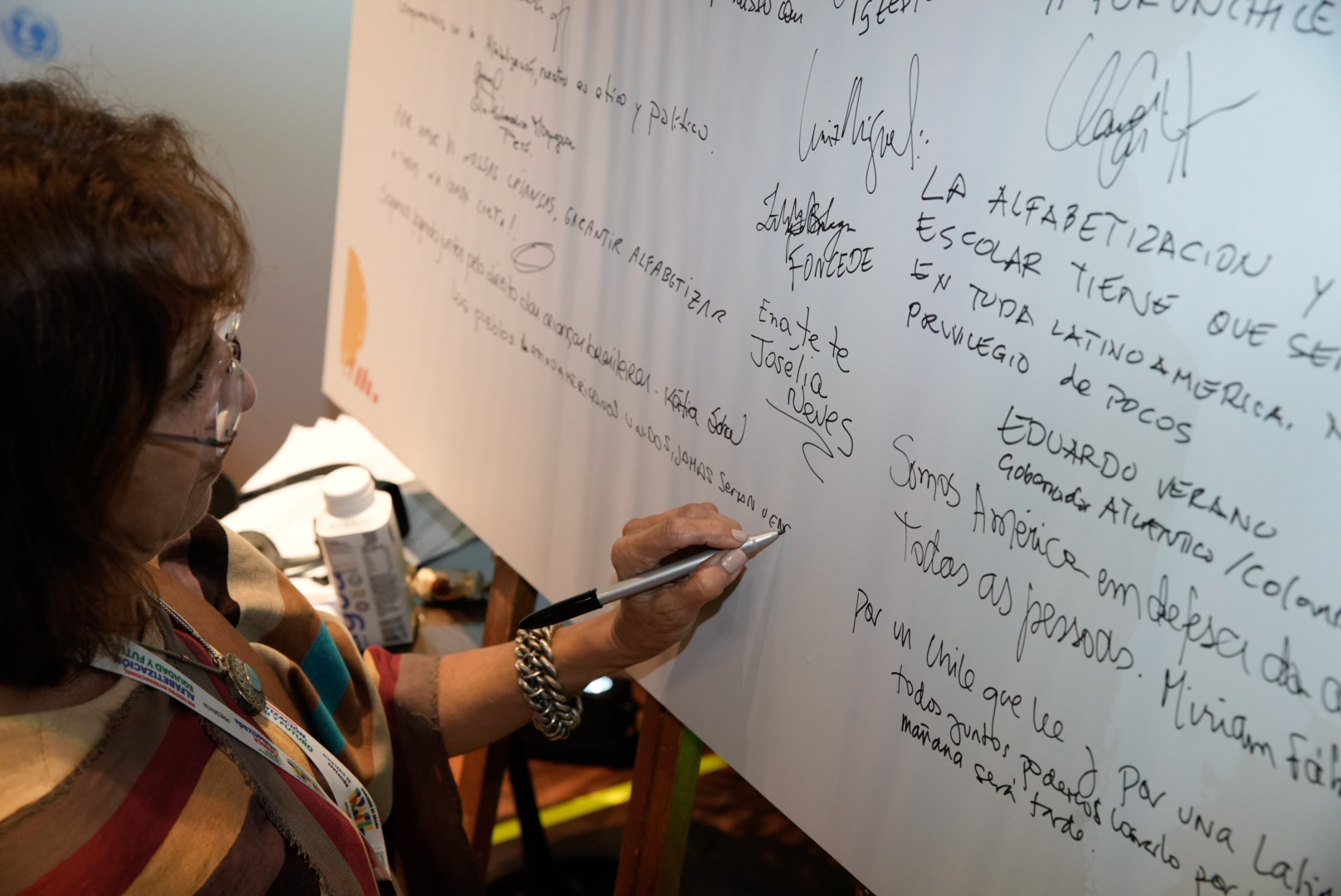
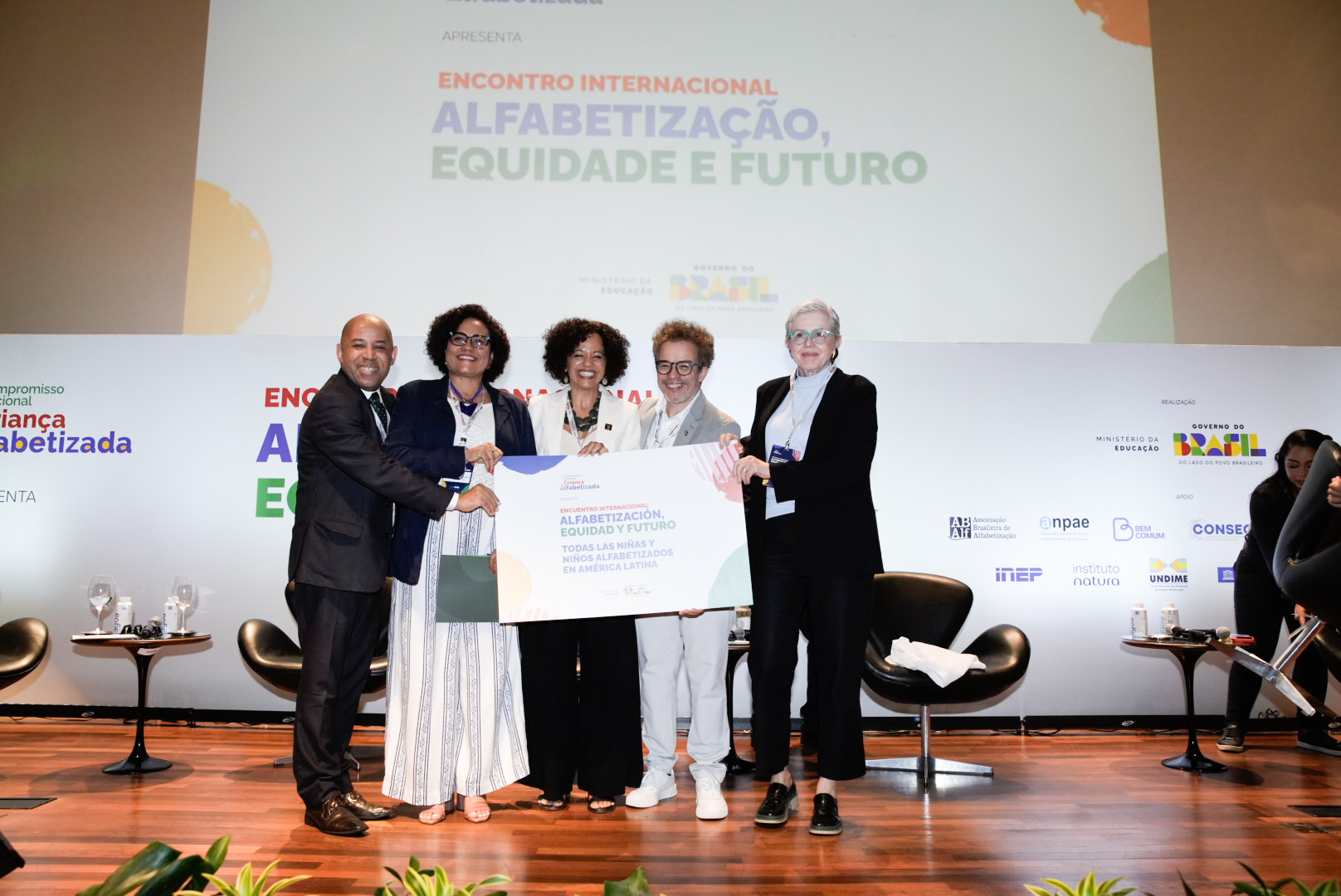
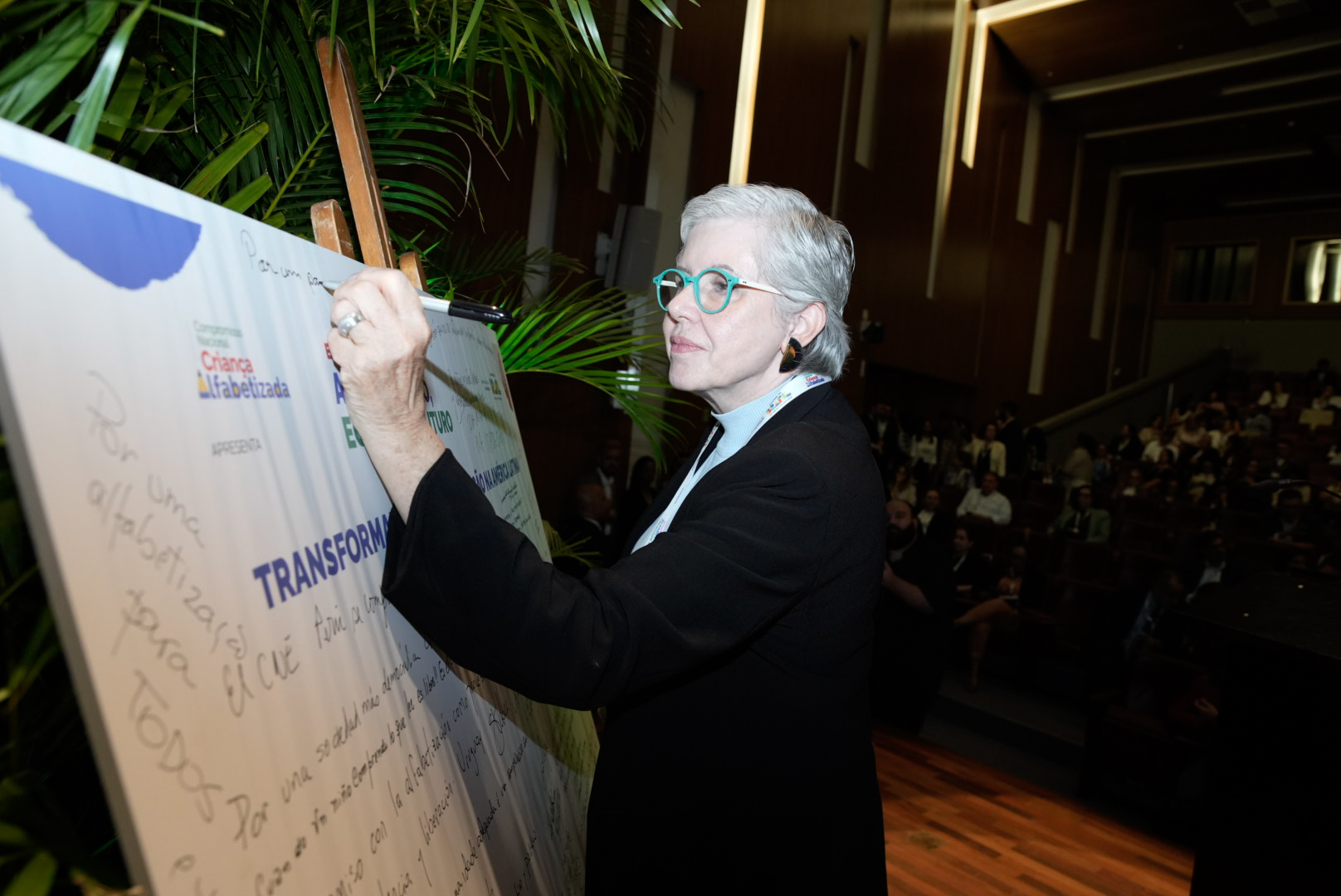
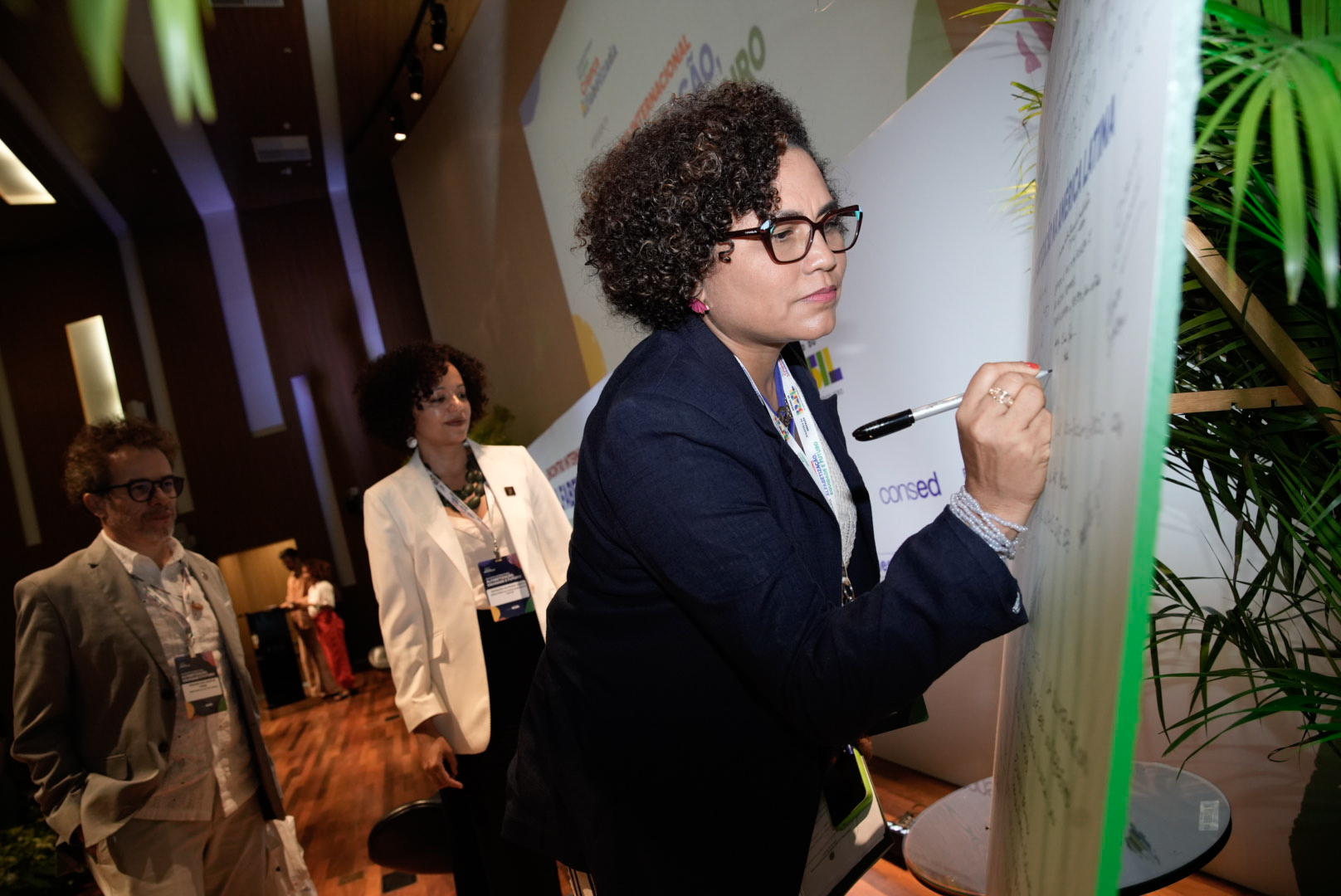
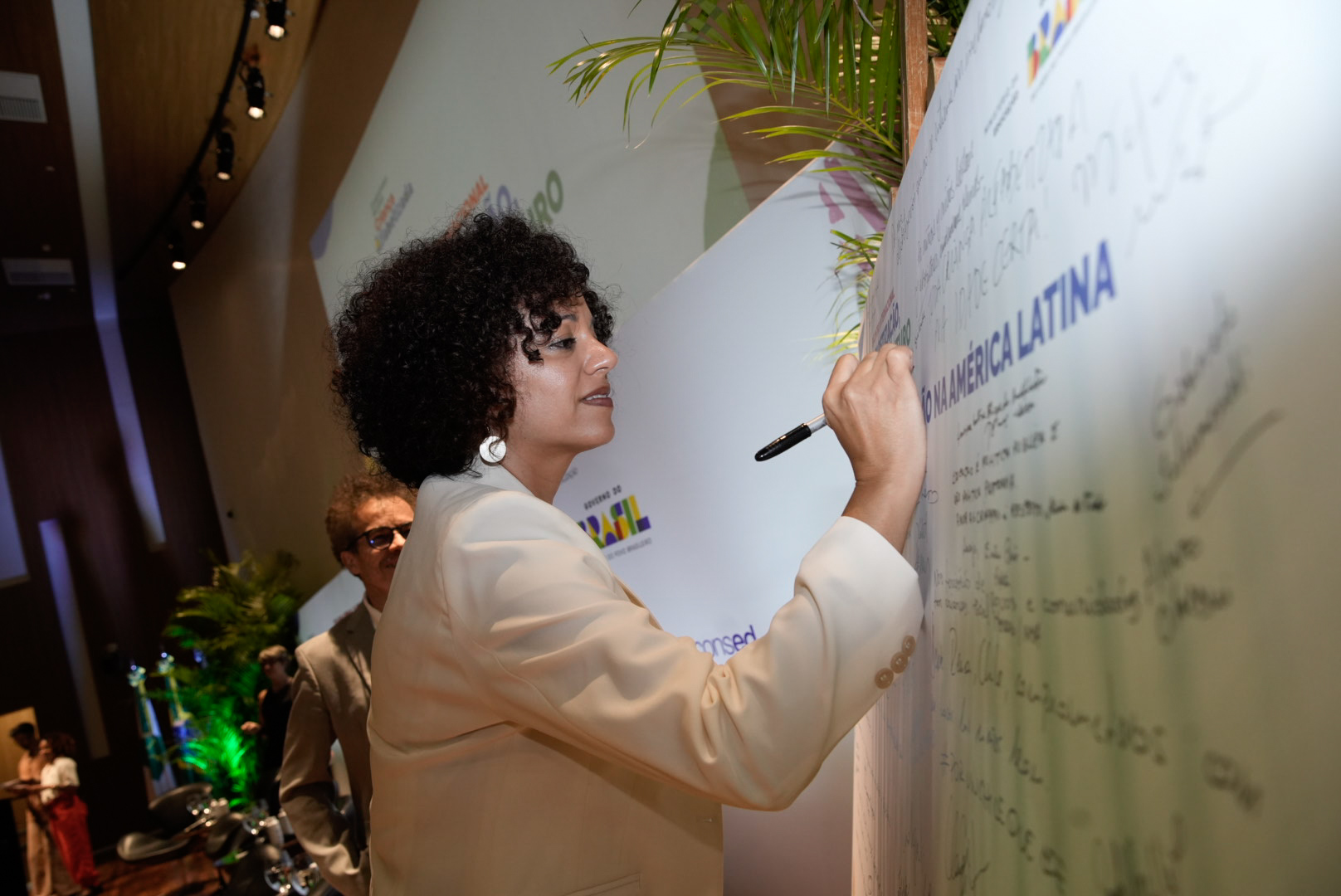
This understanding guided the International Meeting on Literacy, Equity, and the Future, held by the Ministry of Education (MEC) on February 23 and 24 in Brasilia. The event gathered delegations from Argentina, Brazil, Chile, Colombia, Mexico, Peru, and Uruguay in an agenda designed to combine political leadership and technical depth. The debates addressed the right to literacy as a responsibility of senior leadership, assessment systems, collaboration, social mobilization, and the sustainability of public policies, as well as the connections between literacy, equity, culture, and human rights.
“If a child learns to read well, this enables them to complete their studies, move on to high school, pursue higher education, and become a citizen capable of contributing to the development of society and their own family”
Jaime Saavedra, director of the World Bank
At the opening of the meeting, Leonardo Barchini, Acting Minister of Education, emphasized that the right to literacy is a cornerstone of the full development of every child living on the continent, of sustainable social and economic development, and of building a more prosperous, fair, equitable, and sovereign future for Latin America. “When we look at the efforts of countries such as Argentina, Colombia, Chile, Peru, Mexico, and Uruguay, we see a consistent movement to tackle illiteracy — this tragedy that insists on tying the future to the past and which, even today, bears deep scars from the history of colonization of our continent. Each of these countries, in its own way, has established national frameworks, assessments, plans, and social mobilizations to place literacy at the center of the public agenda,” he concluded.
The regional challenge is backed by consistent evidence. The Regional Comparative and Explanatory Study (ERCE 2019), conducted by UNESCO, indicated that 44.3% of 3rd grade students were at Level I in reading, below the minimum level considered adequate for this stage in the monitoring of the 2030 Agenda. The data quantifies the scale of the problem and reinforces the importance of structured policies with clear goals and continuous monitoring.
Brazil as a reference in the consolidation of public policies
In Brazil, the National Commitment to Child Literacy (CNCA), established in 2023, defined a national standard to characterize literacy at the end of the second year of elementary school, based on the Alfabetiza Brasil Survey (Inep, 2023). The Literate Child Indicator, released by the Ministry of Education in 2025 with data from 2024, showed that 59.2% of children in public schools reached the established level — an improvement over the 56% previously recorded. The indicator is associated with progressive targets until 2030, reinforcing the commitment to increase the number of literate children year after year.
The Brazilian experience, which combines national targets, assessment tools, and federal cooperation between the Federal Government, states, Federal District, and municipalities, has been monitored in regional dialogue as a reference for public policy with scale and systematic monitoring.
Similar movements are gaining momentum in other countries. In Argentina, the National Literacy Plan was formalized in 2024, with commitments made by the 24 jurisdictions within the Federal Council of Education, in addition to the application of the Aprender Alfabetización 2024 assessment in the 3rd grade, creating a baseline to guide interventions and monitor progress. In Chile, the reading literacy agenda has been organized around long-term national goals. Mexico, Peru, Colombia, and Uruguay have also been strengthening national strategies and diagnostic and monitoring tools to maintain priority and continuity in literacy policy.
“When we look at the efforts of countries such as Argentina, Colombia, Chile, Peru, Mexico, and Uruguay, we see a consistent movement to tackle illiteracy — this tragedy that insists on tying the future to the past and which, even today, bears deep scars from the history of colonization of our continent. Each of these countries, in its own way, has established national frameworks, assessments, plans, and social mobilizations to place literacy at the center of the public agenda”
Leonardo Barchini, Acting Minister of Education
In addition to Instituto Natura, other important institutions acted as partners of the Ministry of Education in the International Meeting, such as the National Association of Education Policy and Administration (ANPAE), the Brazilian Literacy Association (ABAlf), the Anísio Teixeira National Institute for Educational Studies and Research (Inep), UNESCO, the United Nations Children’s Emergency Fund (UNICEF), the National Union of Municipal Education Directors (Undime), the National Council of Education Secretaries (Consed), the National Council of Education Secretaries of Capital Cities (Consec), the Bem Comum Association, and the Lemann Foundation.
By helping to bring together governments, civil society, and international organizations, the Instituto Natura is part of a regional effort to turn evidence into consistent public policy and policy into effective implementation, with a focus on equity — a prerequisite for ensuring that literacy at the right age ceases to be a persistent challenge and becomes a concrete foundation for opportunities for children throughout Latin America.
2/23 – Panel 1 – The right to literacy as a commitment of senior leadership
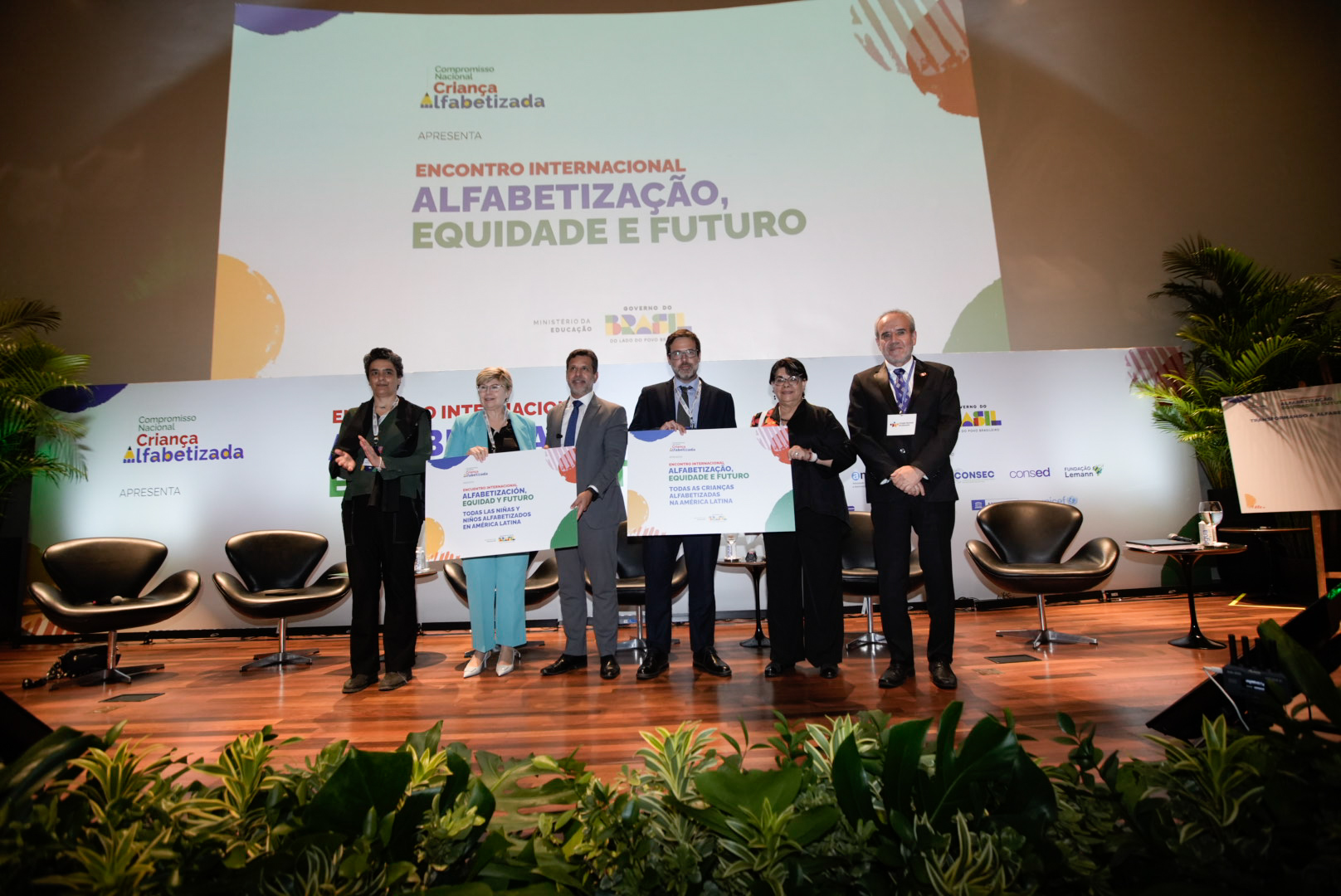
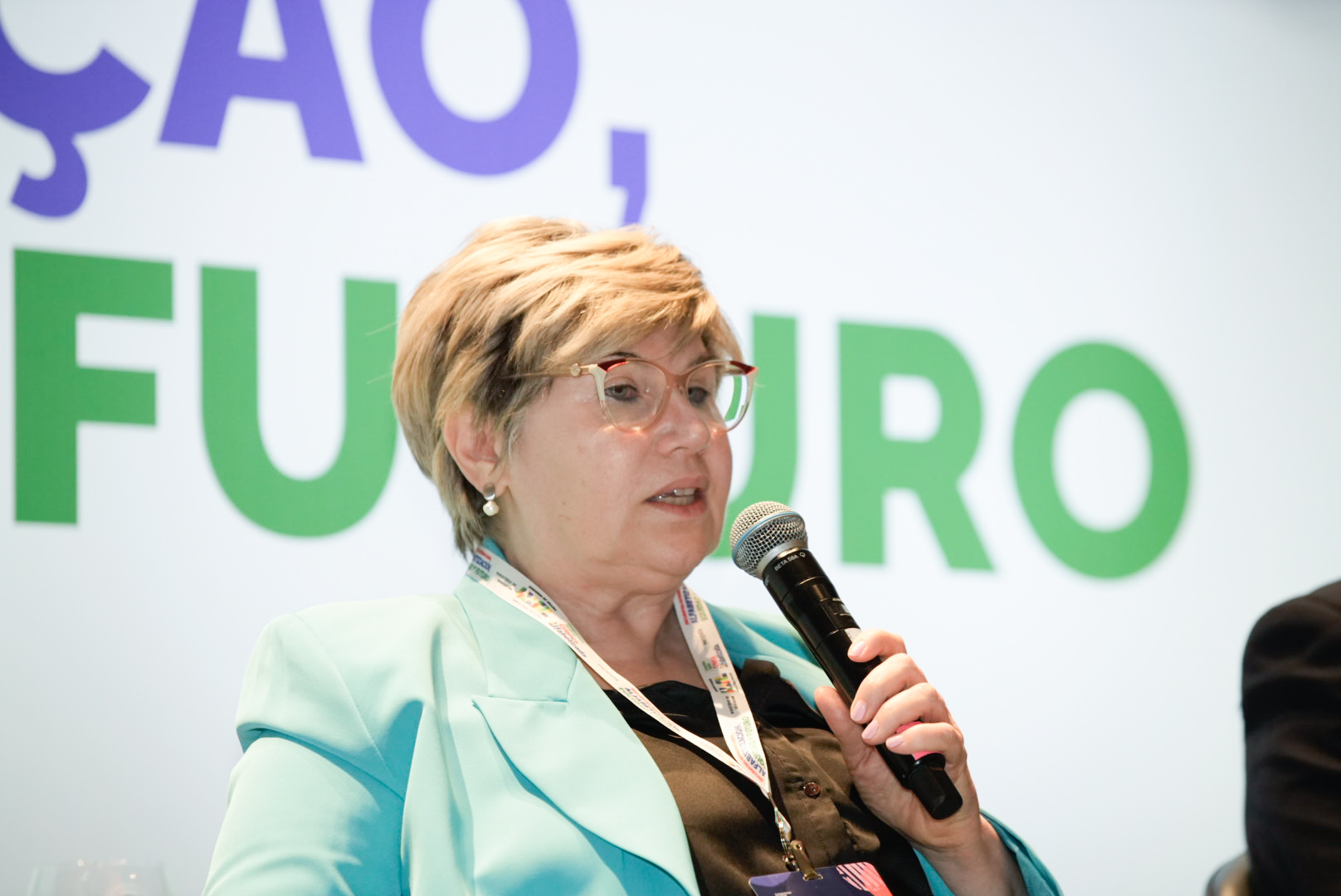
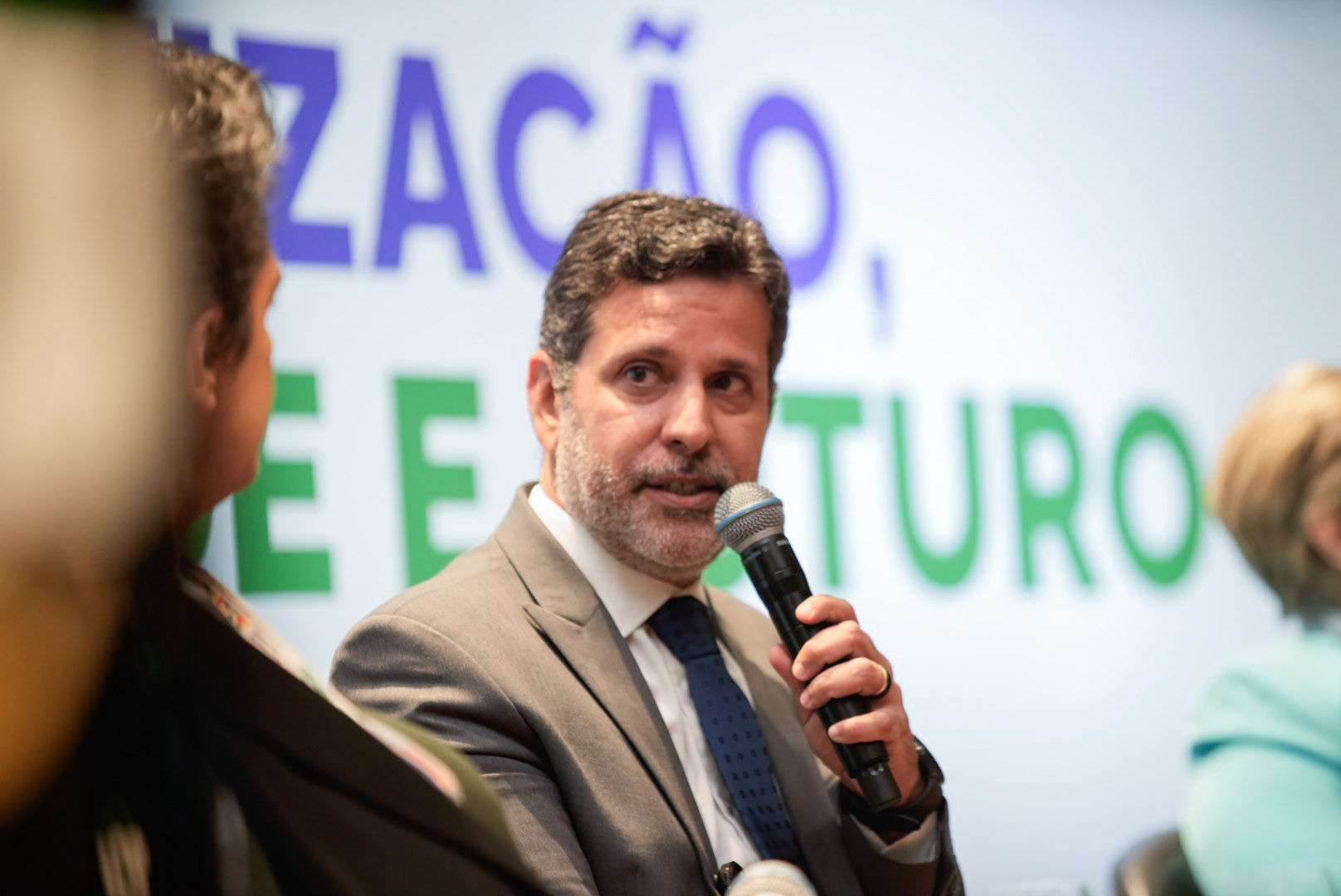
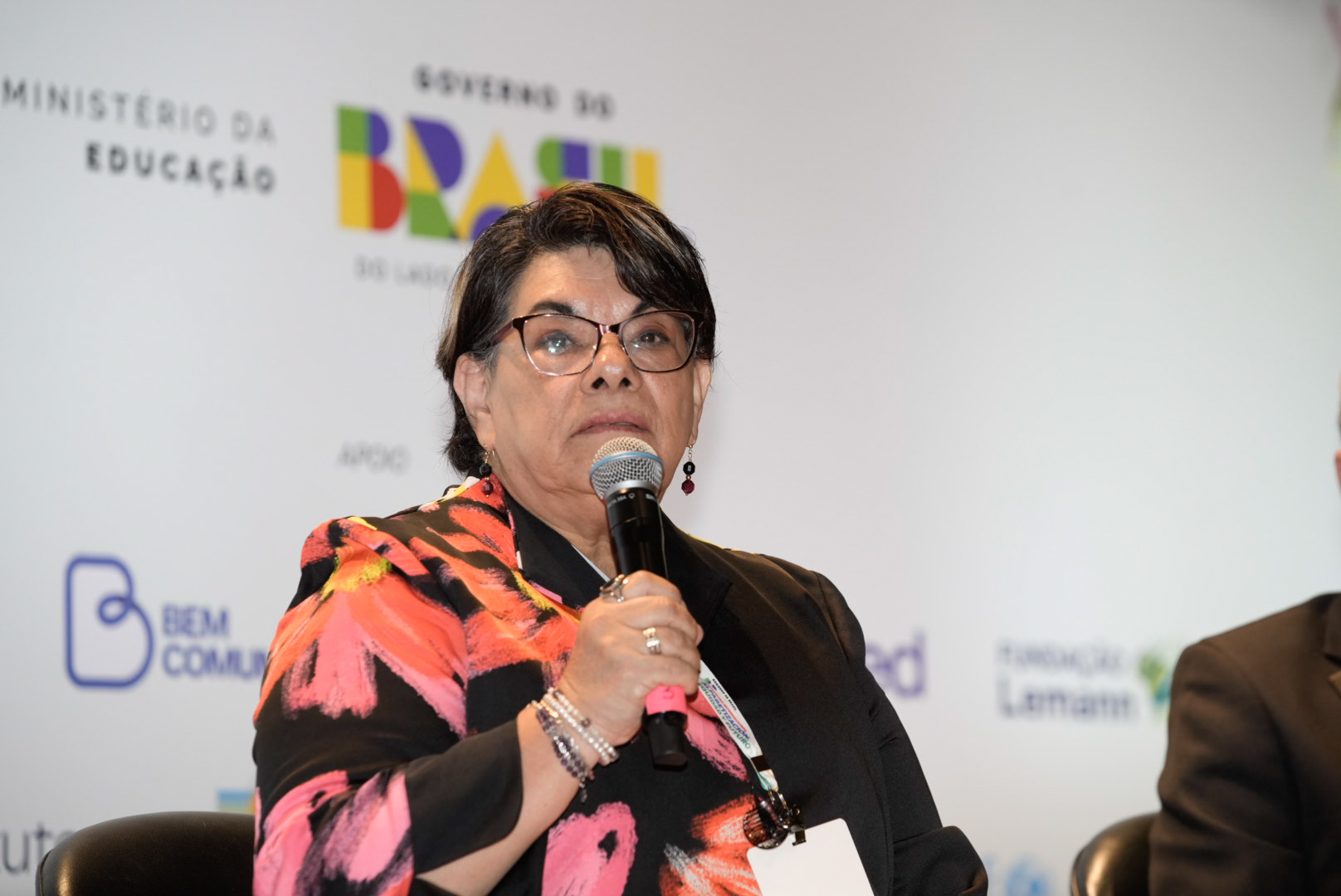
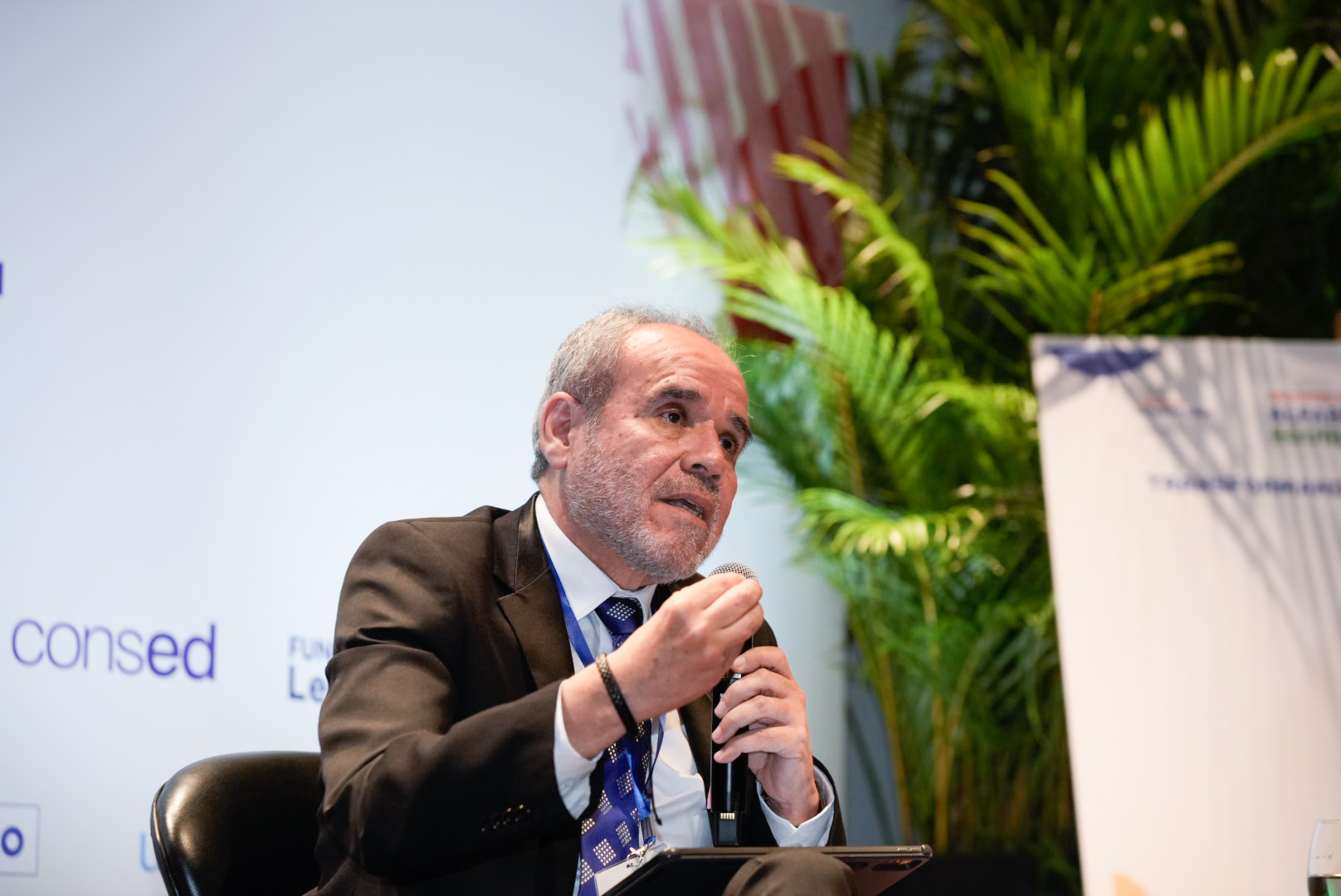
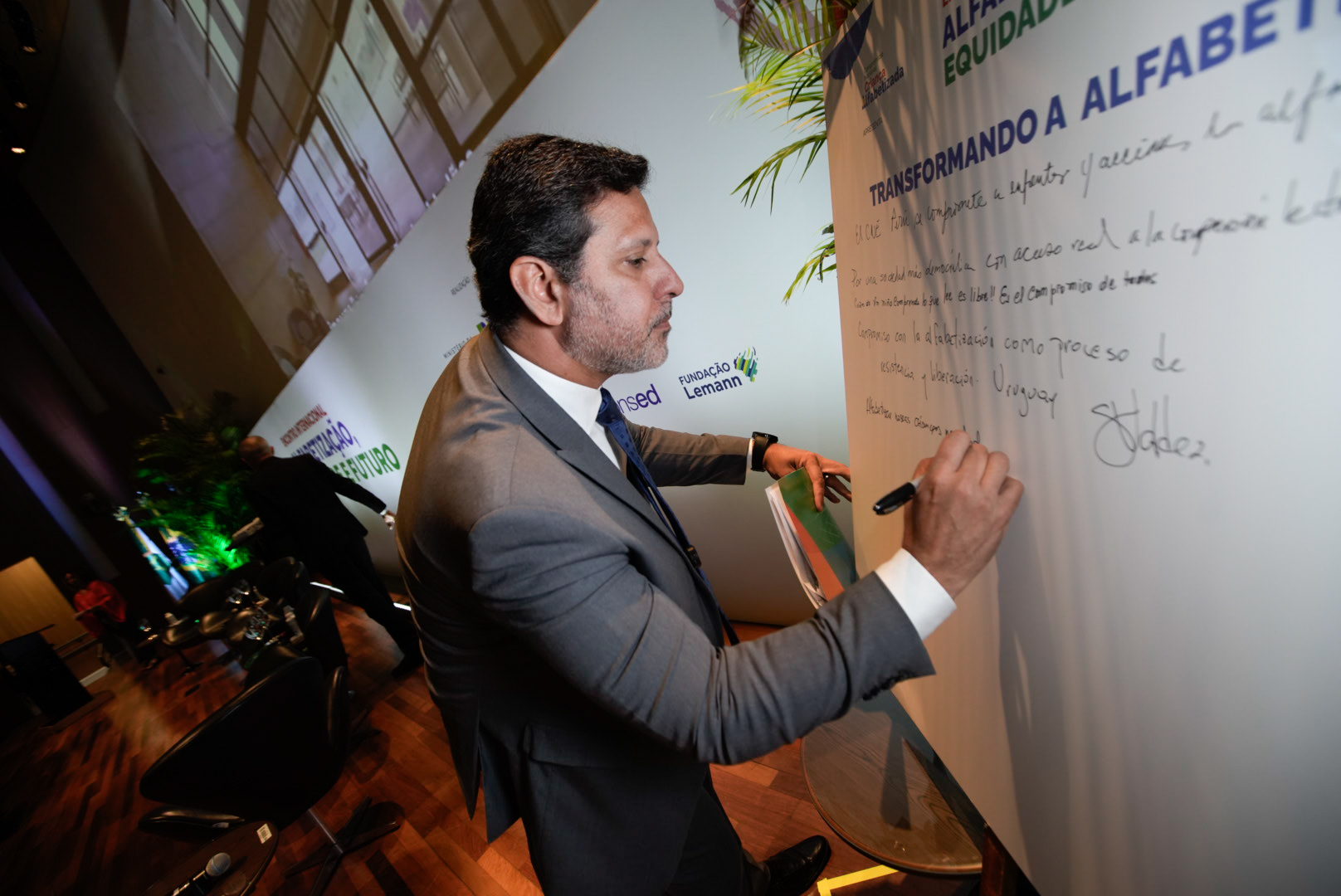
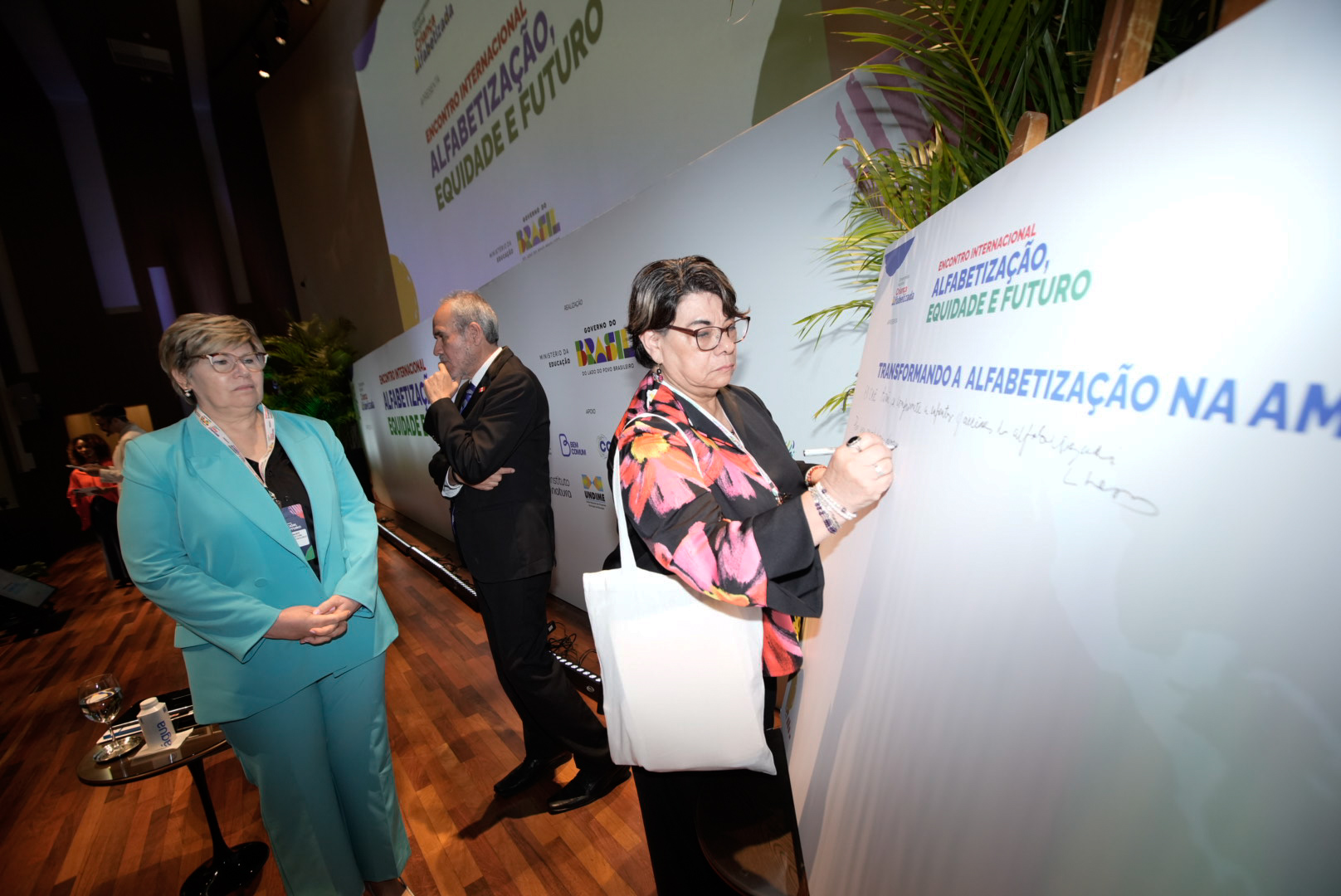
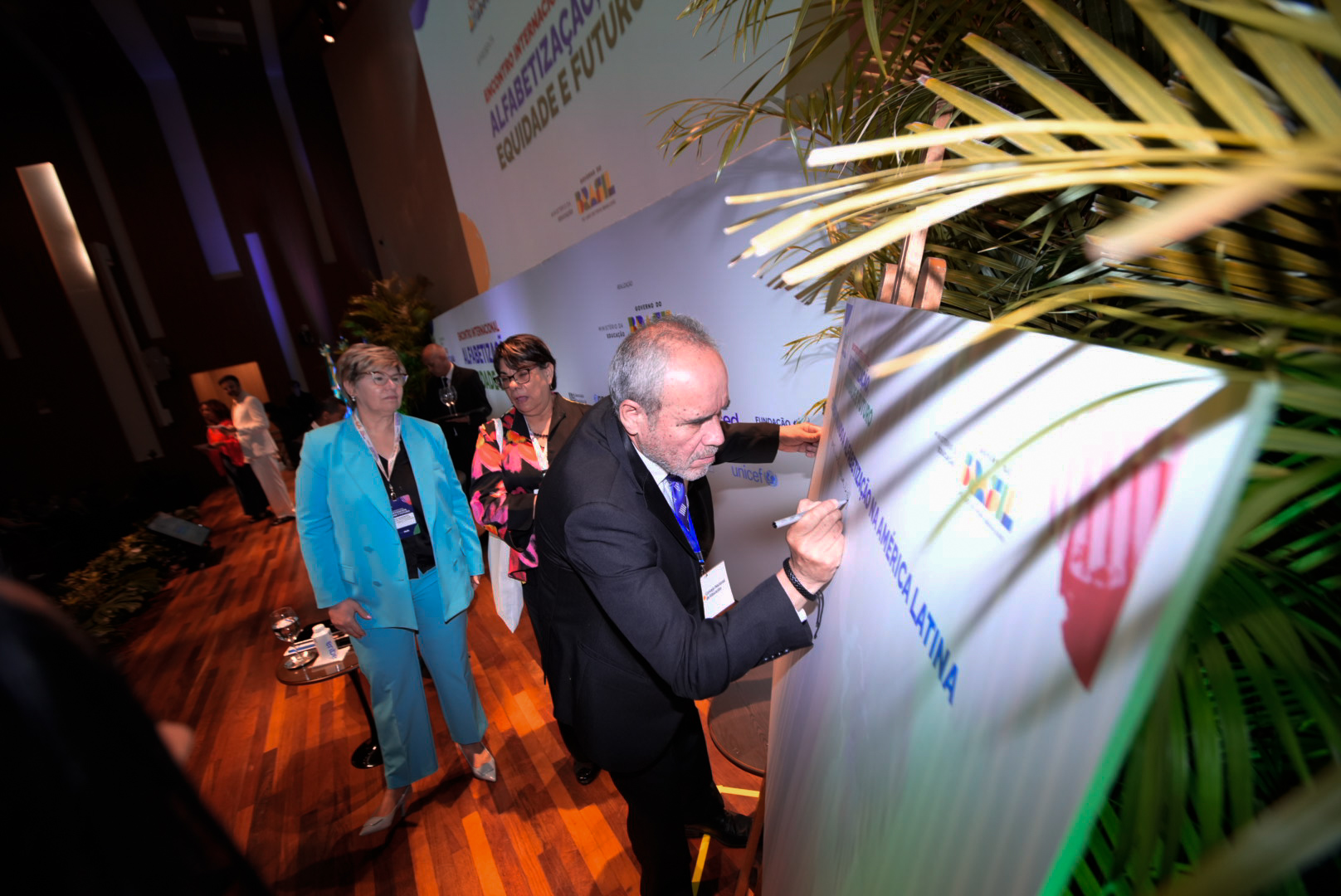
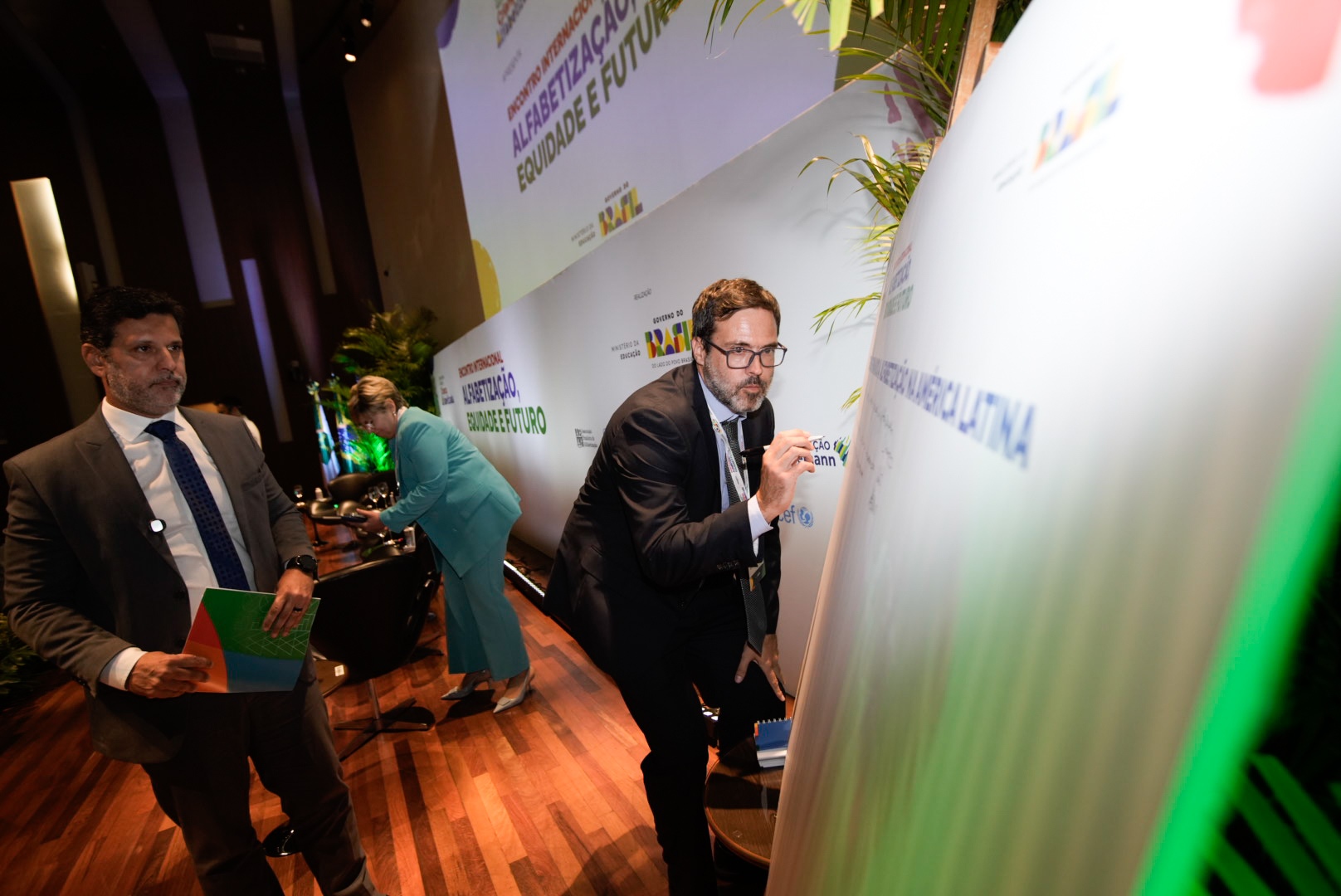
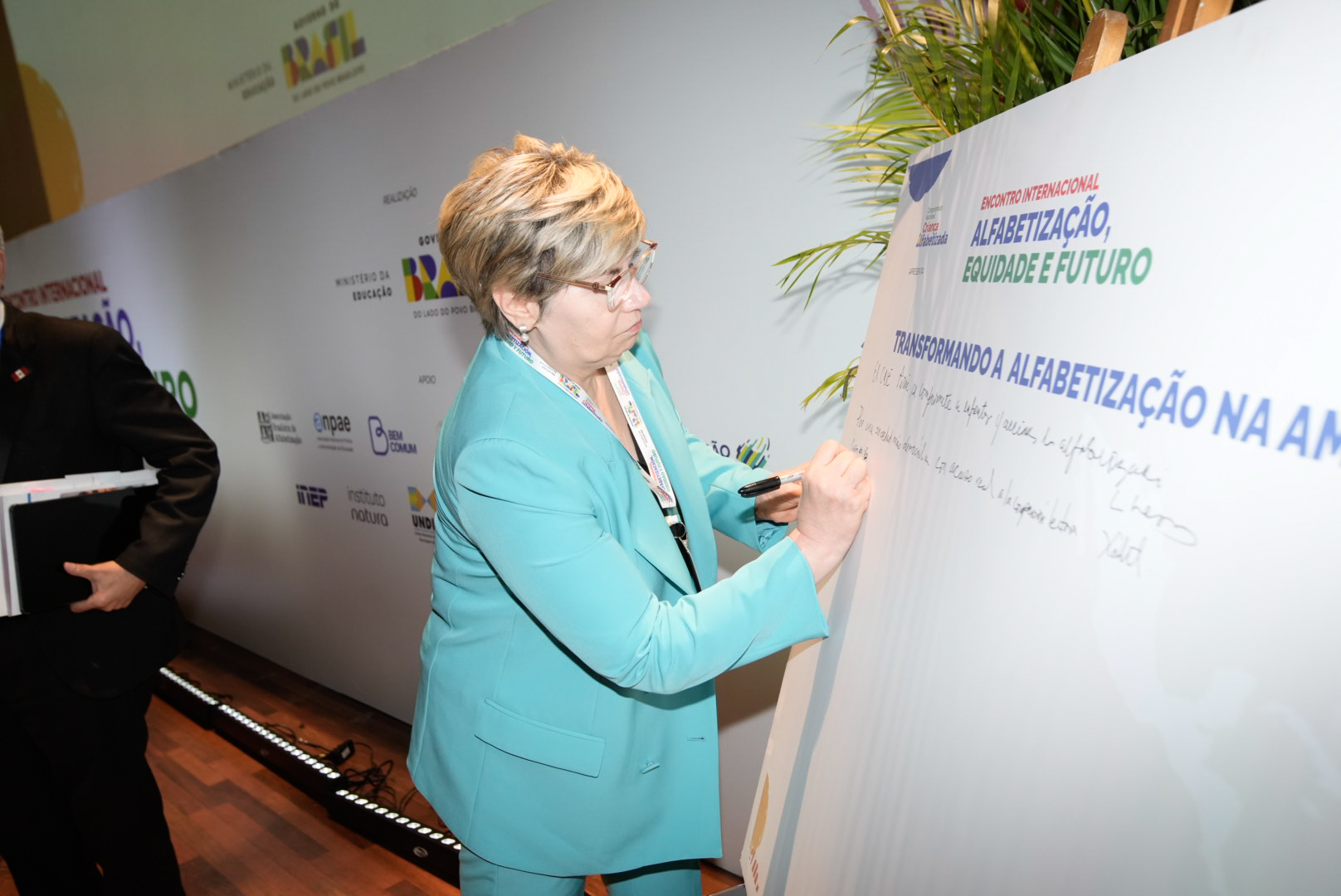
Moderated by Sylvia Colombo, with the participation of Leonardo Barchini, Acting Minister of Education (Brazil); Sebastián Valdez, Technical Secretary of Education, Ministry of Education and Culture (Uruguay); Xóchitl Leticia Moreno Fernández, Director General for Curriculum Development and Early Childhood Education Policy (Mexico); Sofia Naidenoff, Minister of Education, Culture, Science and Technology of the Province of Chaco (Argentina); and Luis Guillermo Lescano Sáenz, National Education Council (Peru).
2/23 – Panel 2 – Literacy policies and public leadership in subnational contexts
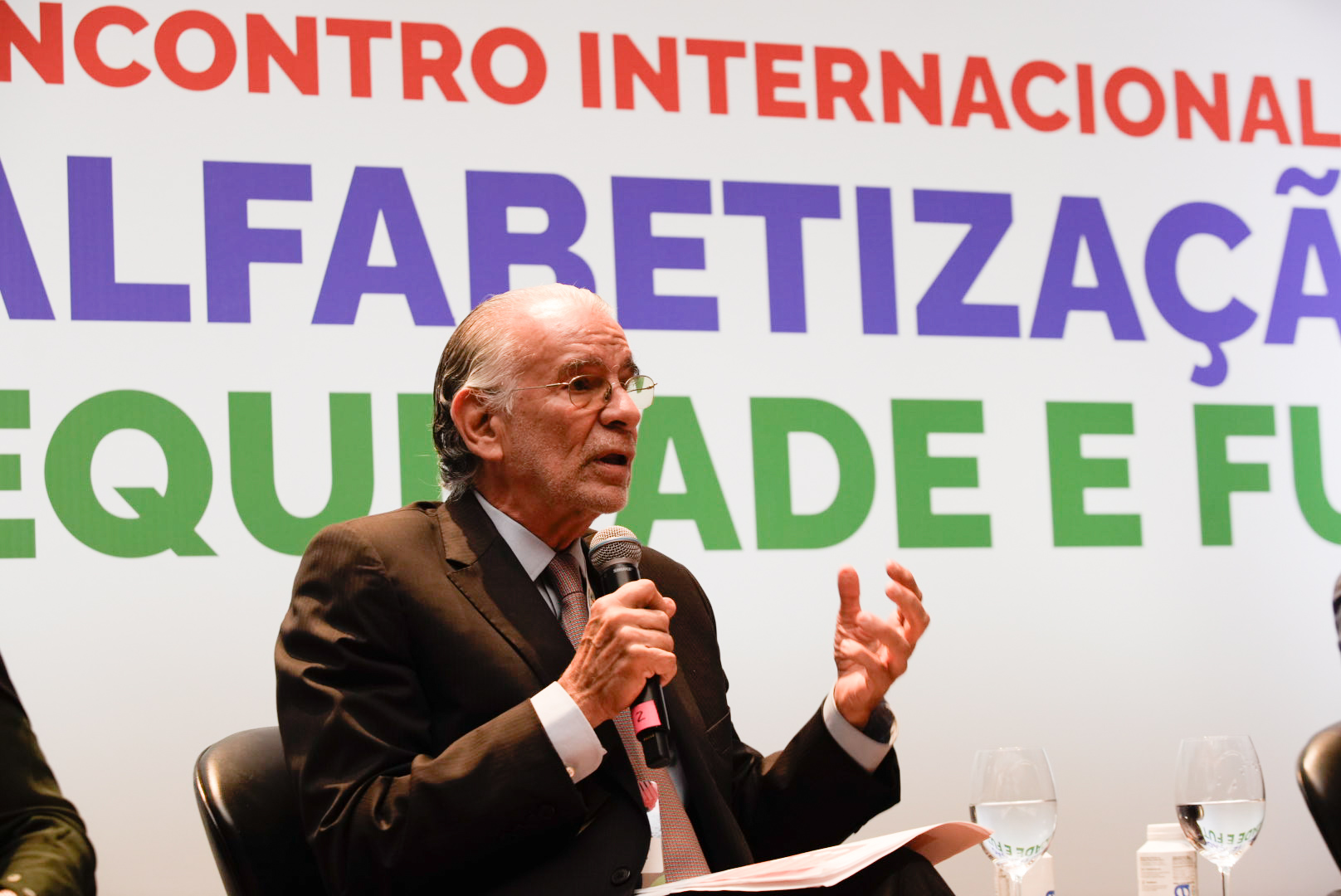
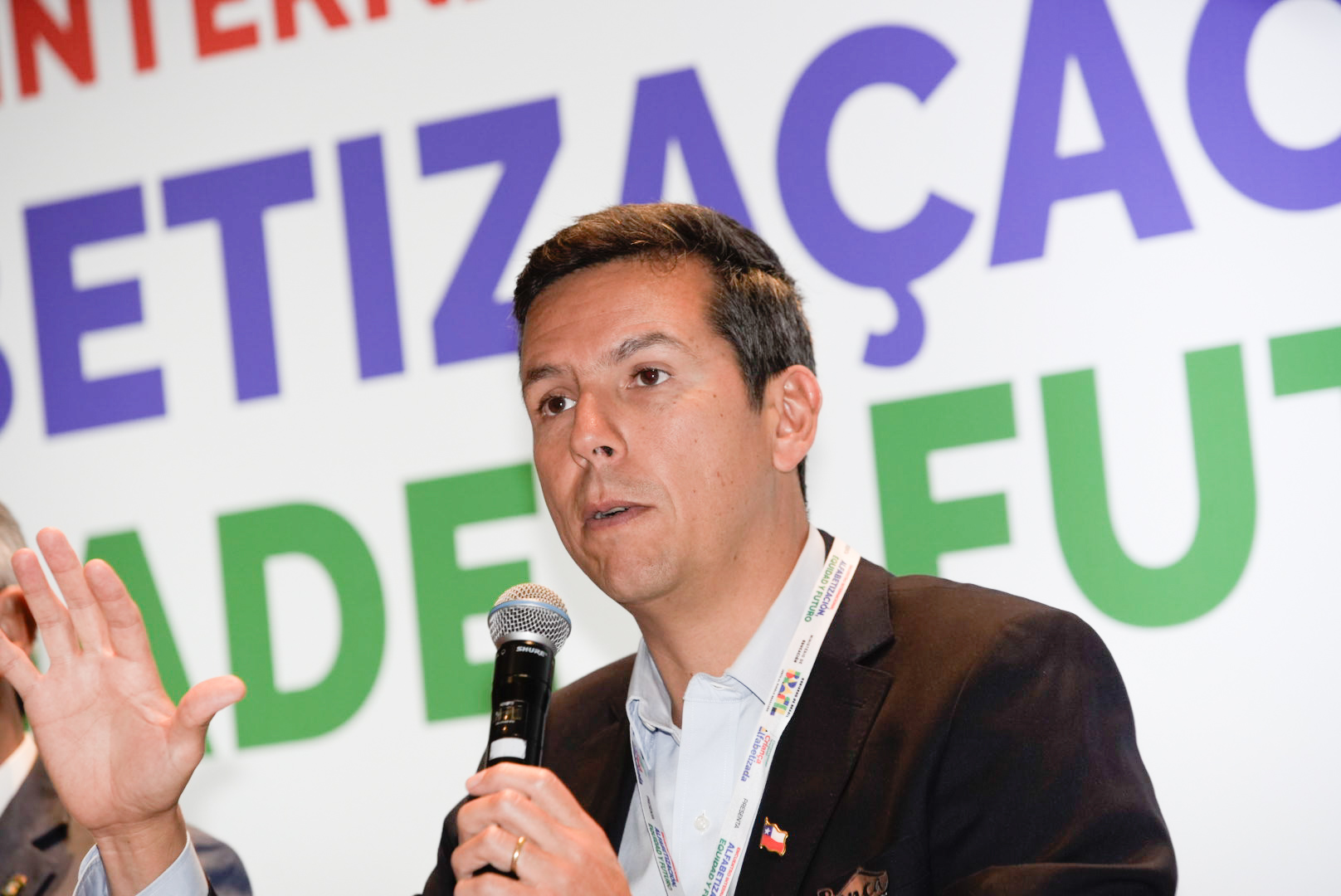
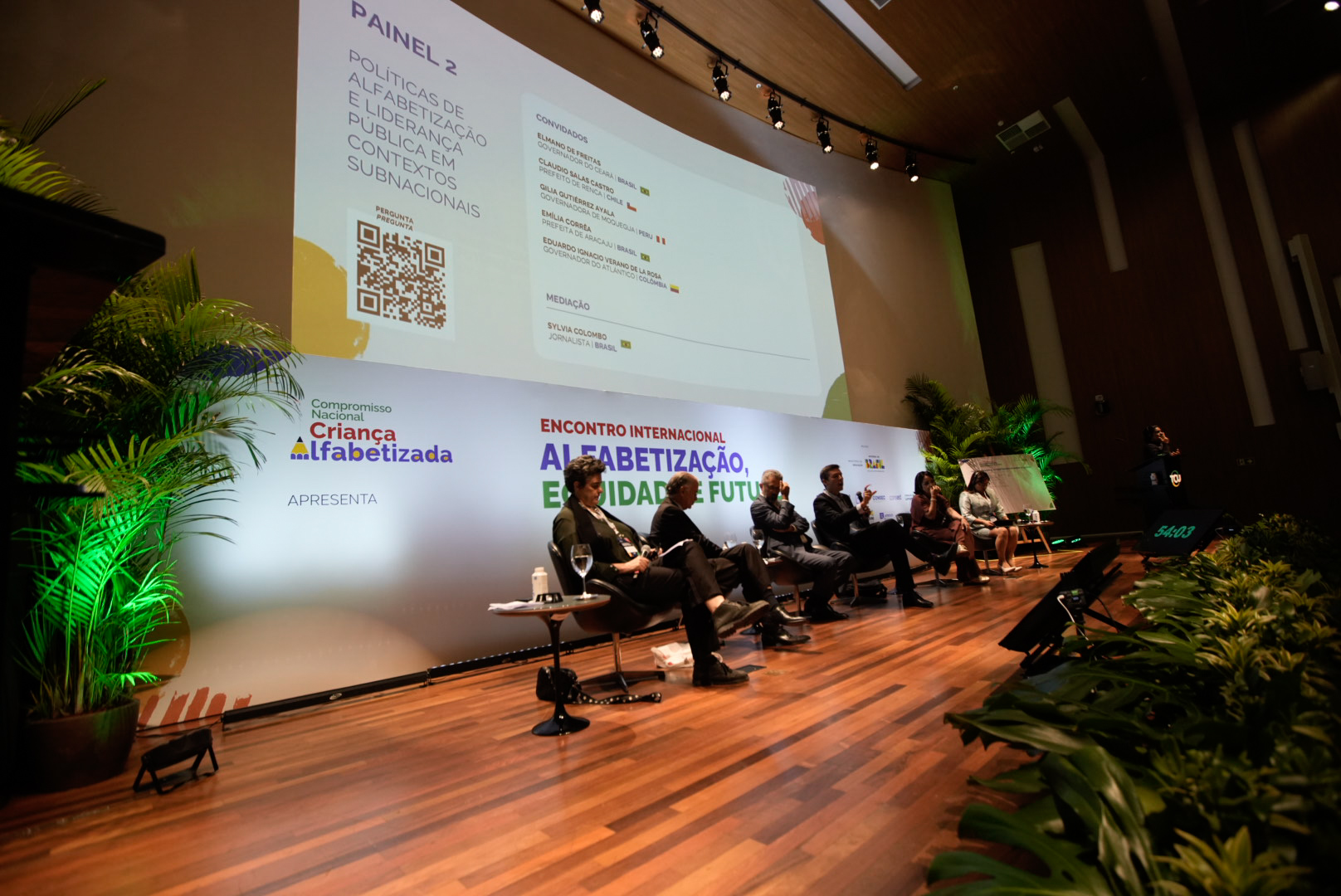
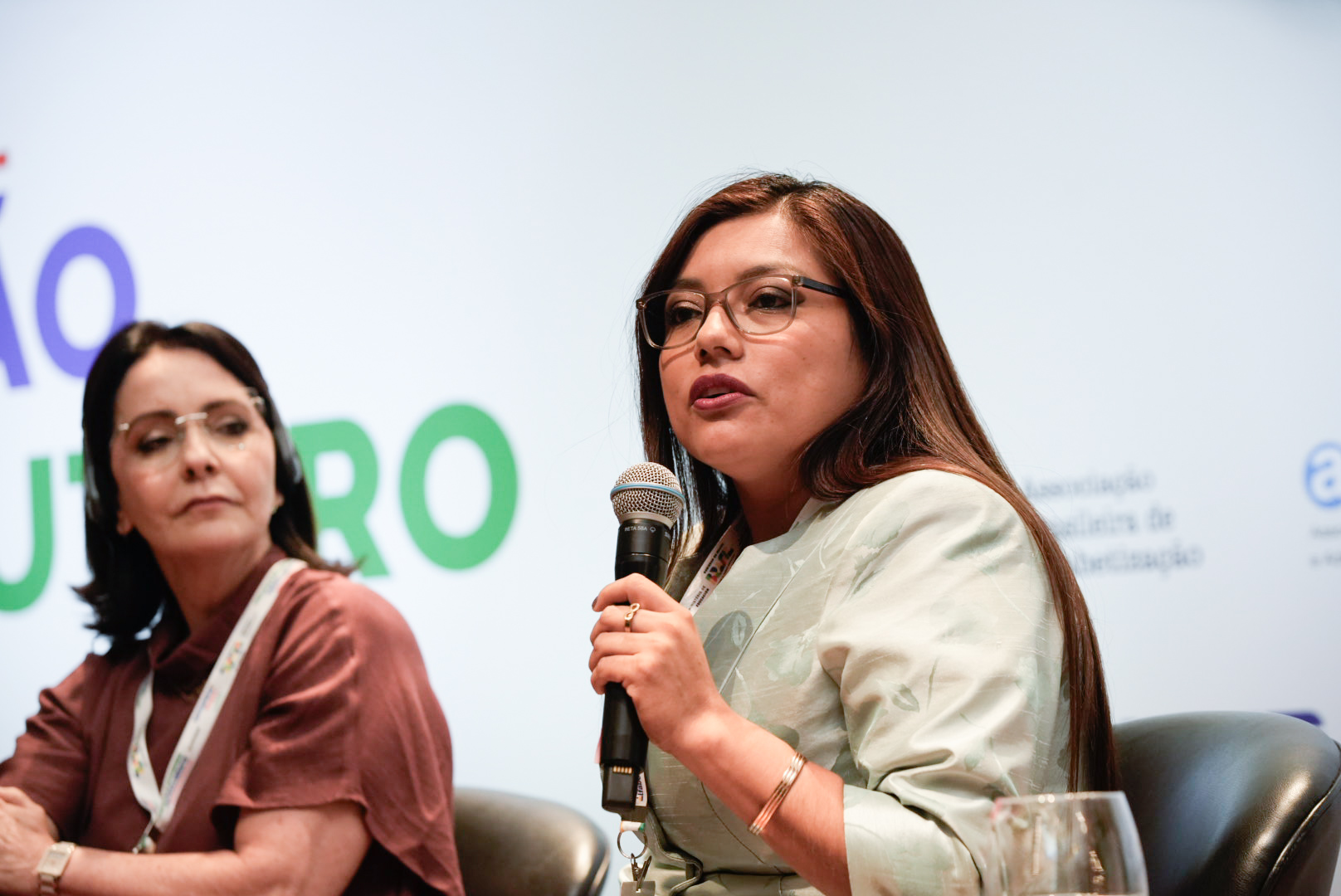
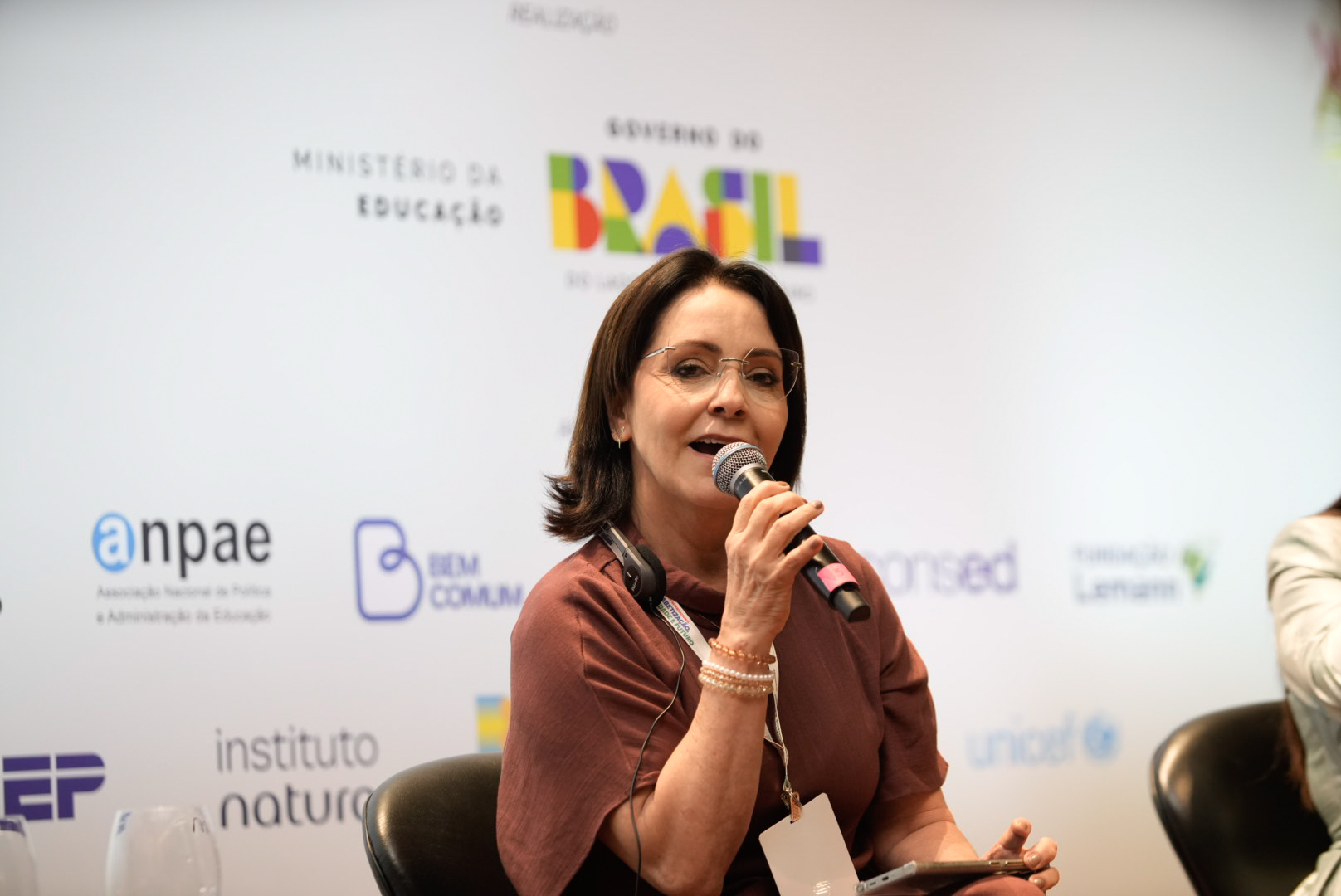
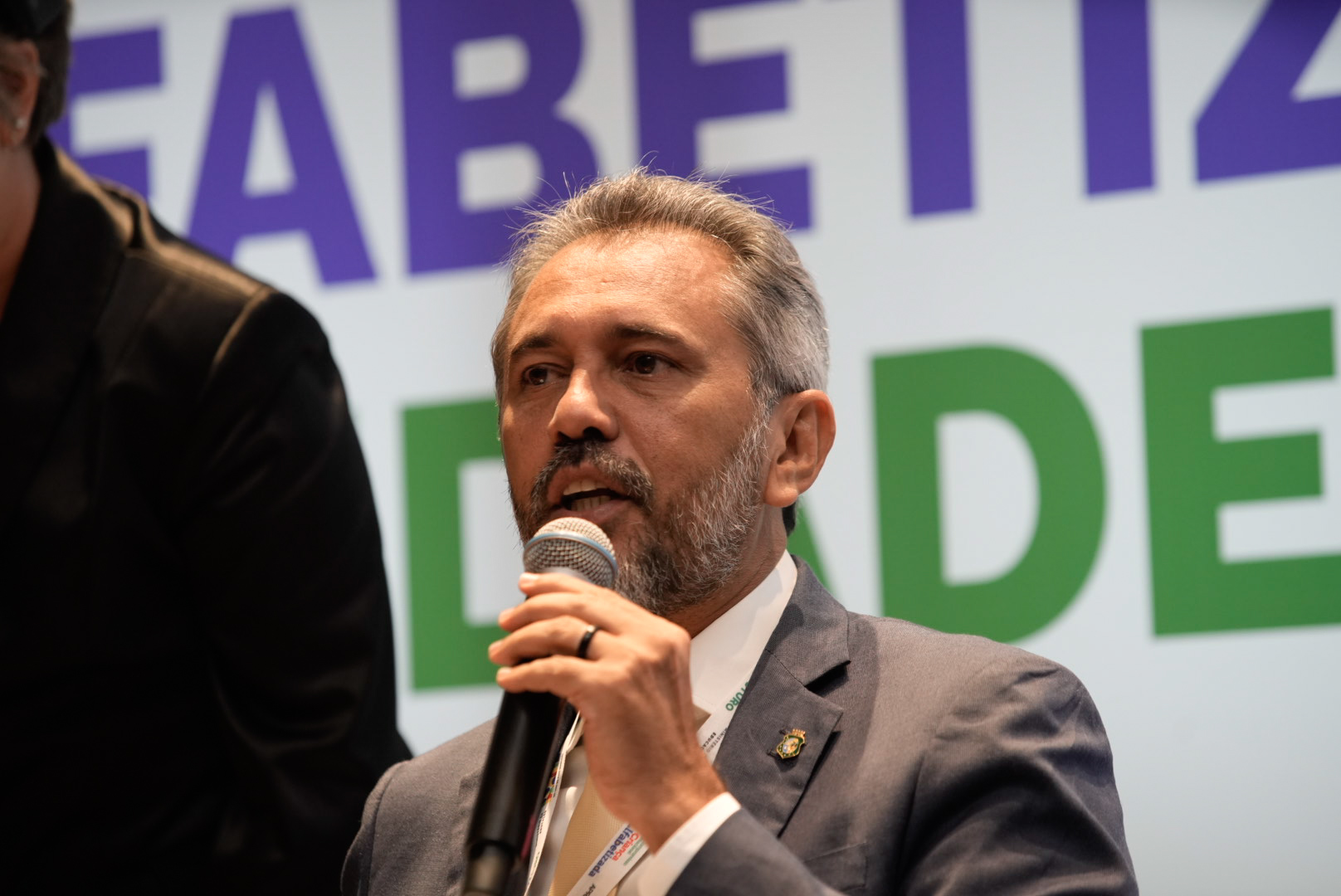
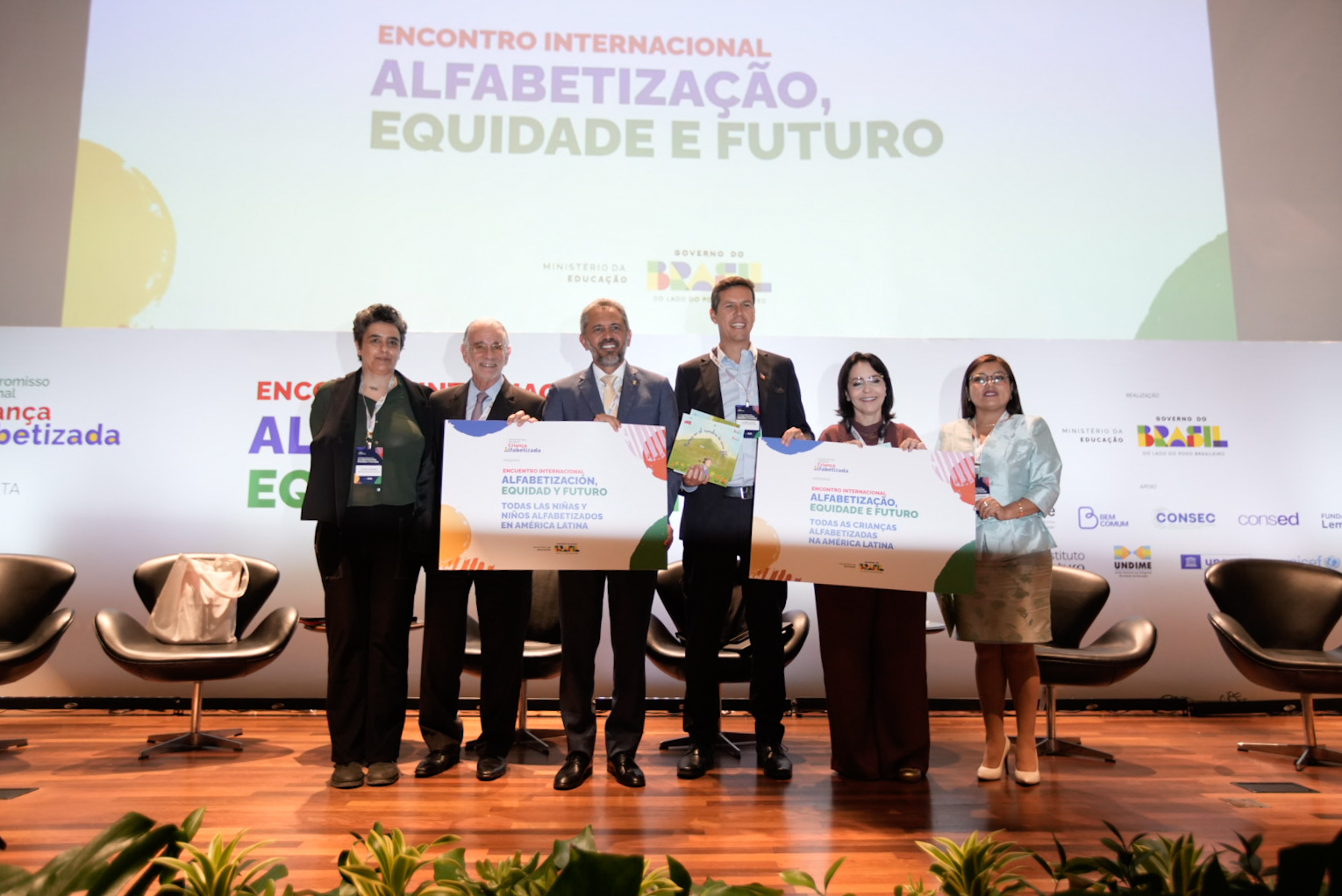
With the participation of Elmano de Freitas, Governor of Ceará (Brazil); Claudio Salas Castro, Mayor of Renca (Chile); Gilia Gutiérrez Ayala, Governor of Moquegua (Peru); Emília Corrêa, Mayor of Aracaju (Brazil); and Eduardo Ignacio Verano de la Rosa, Governor of Atlántico (Colombia).
2/23 – Panel 3 – Assessment systems in literacy policies
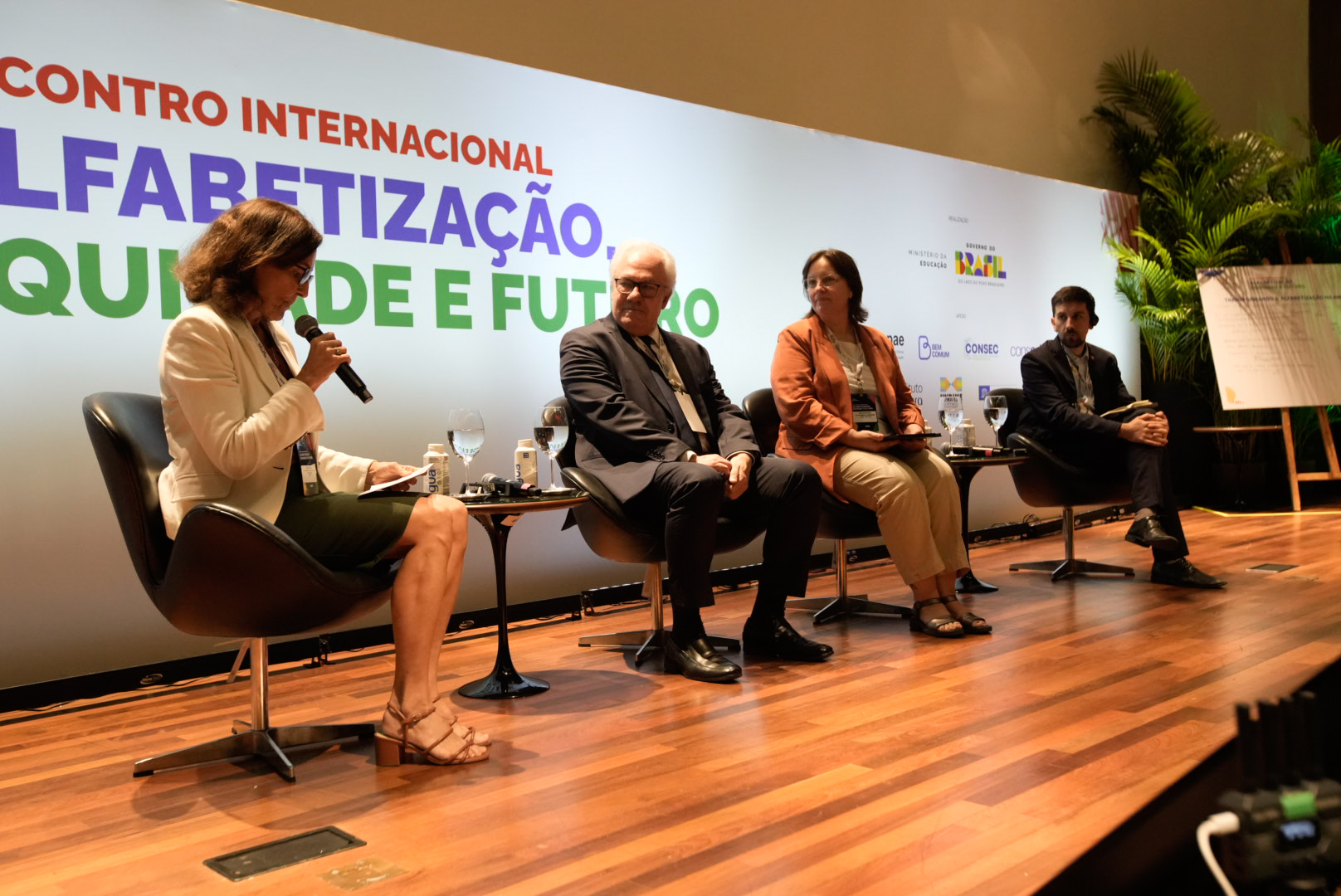
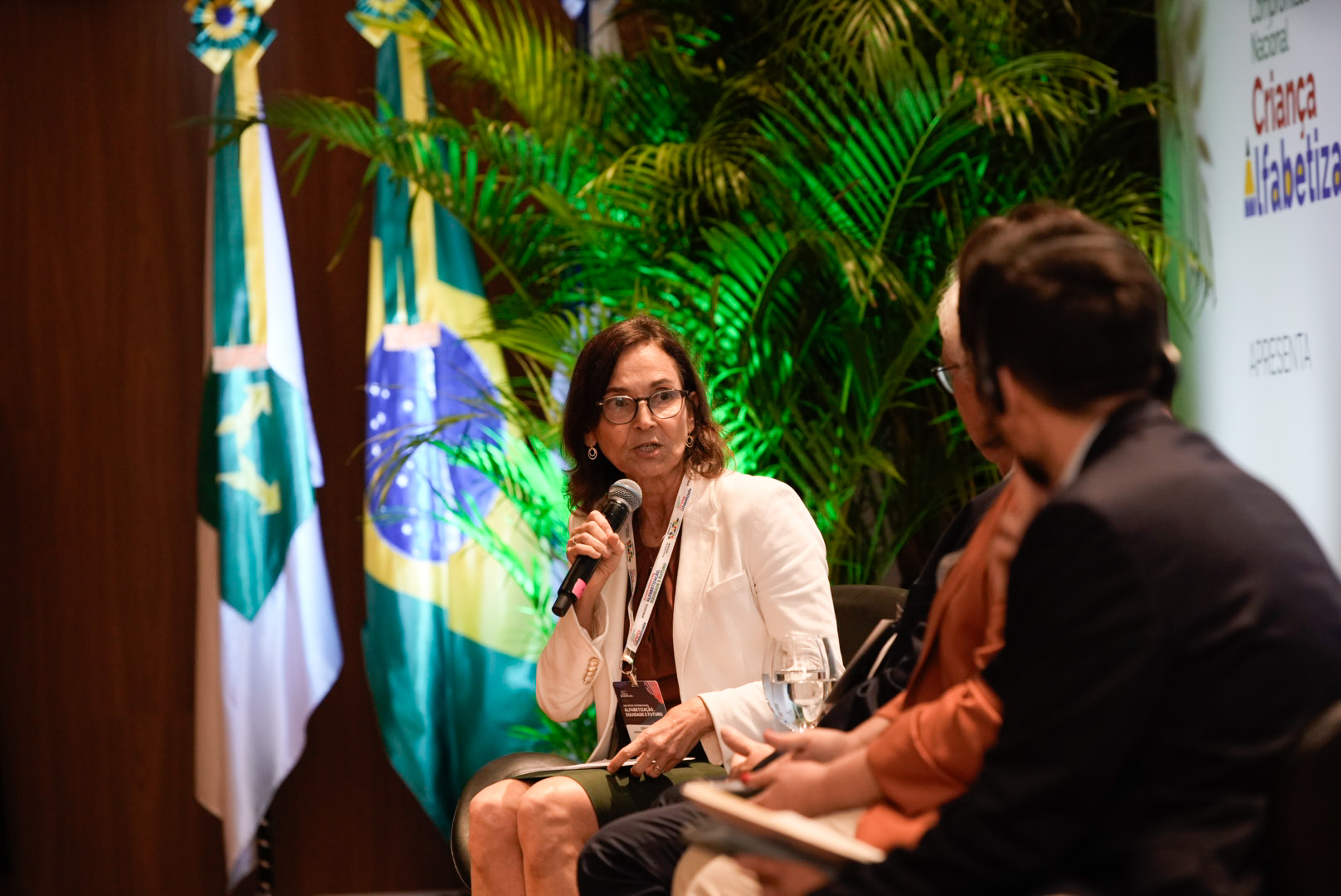
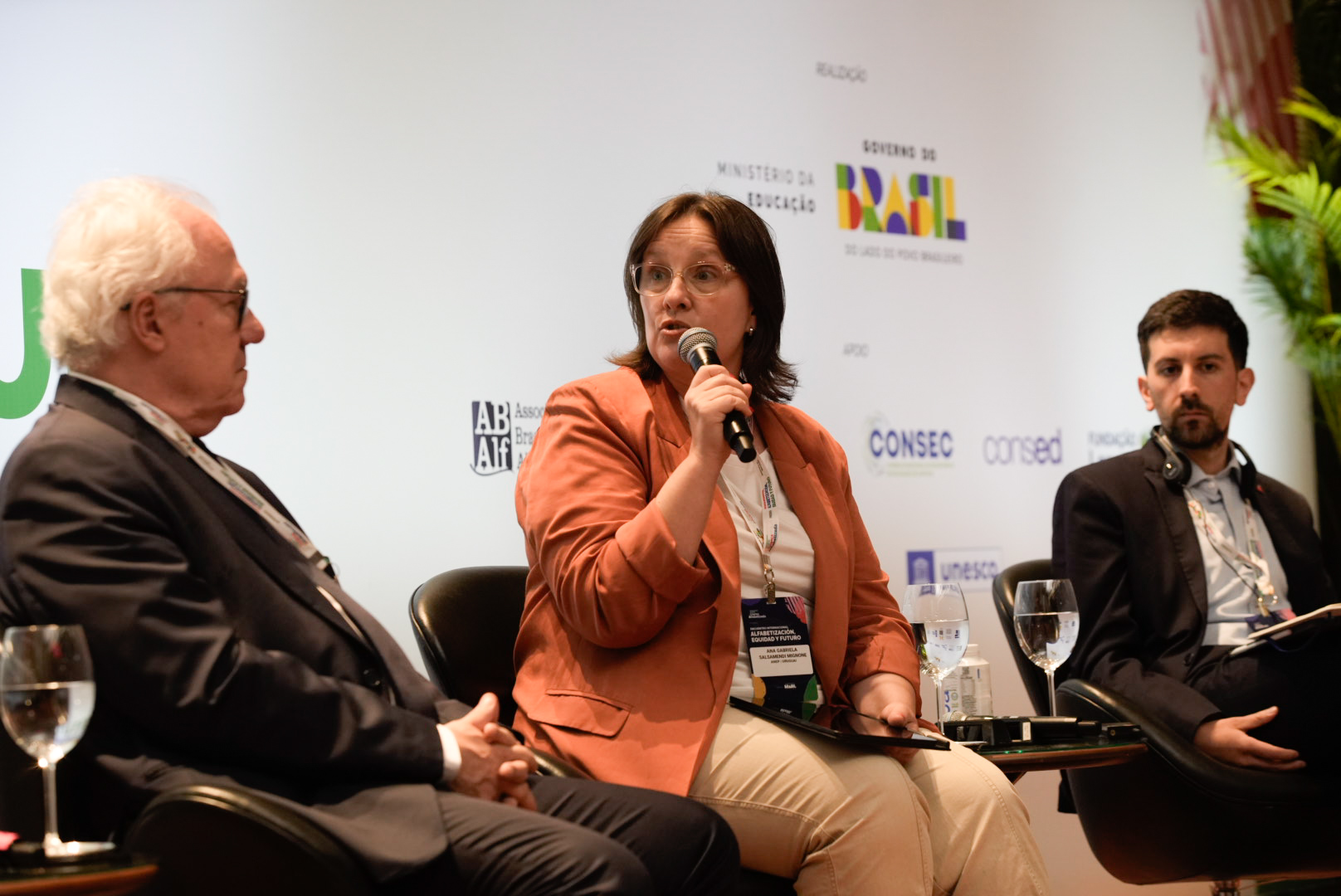
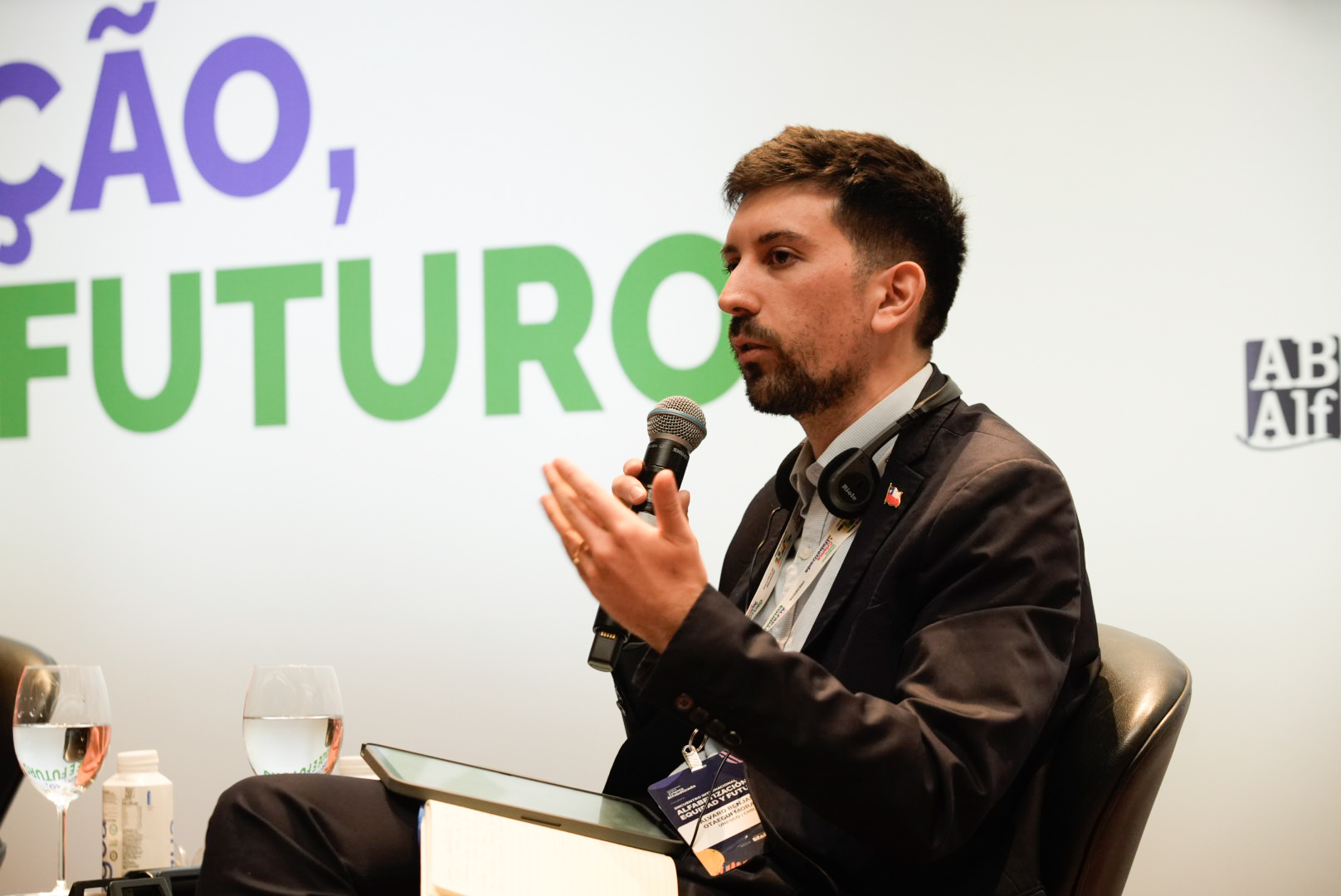
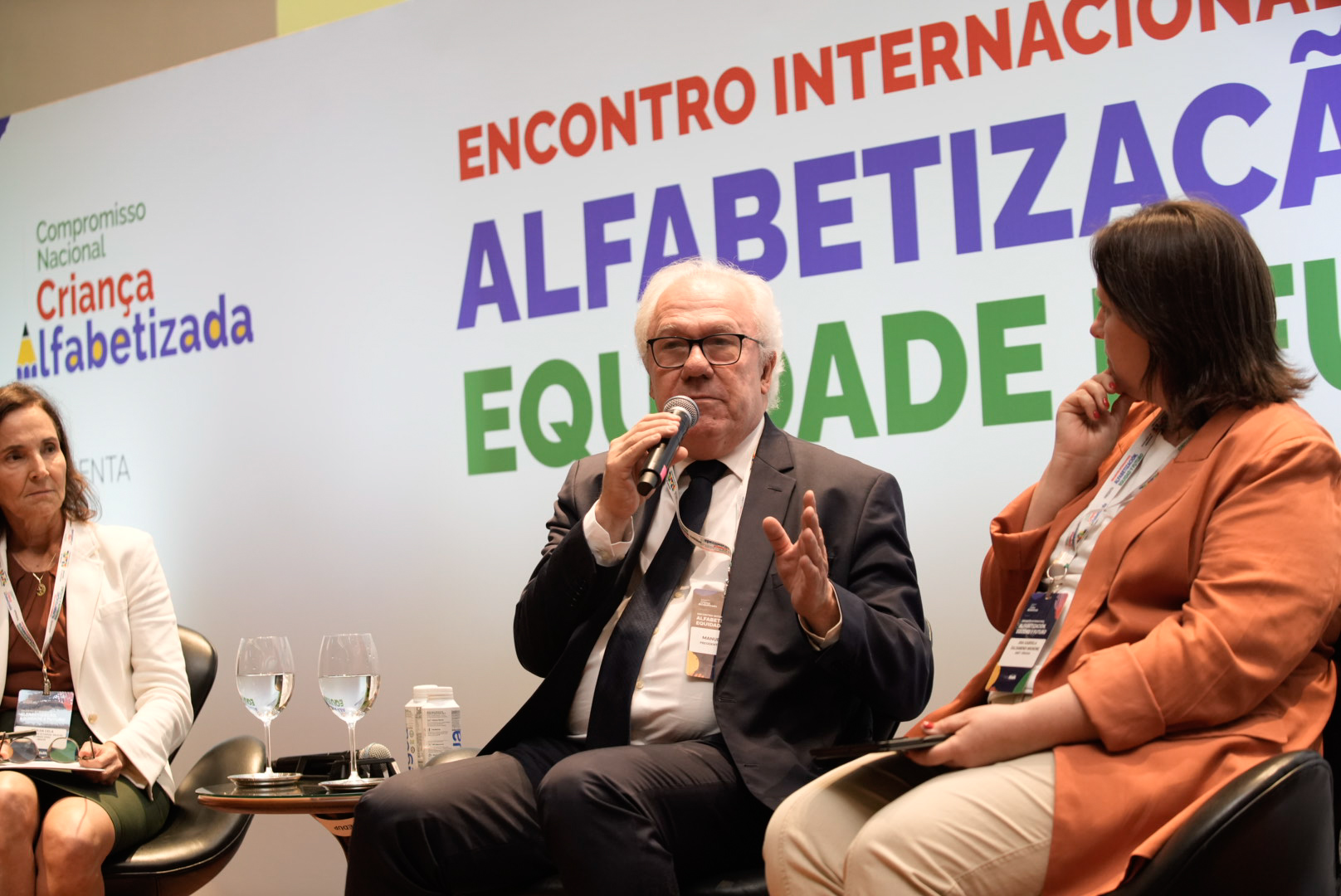
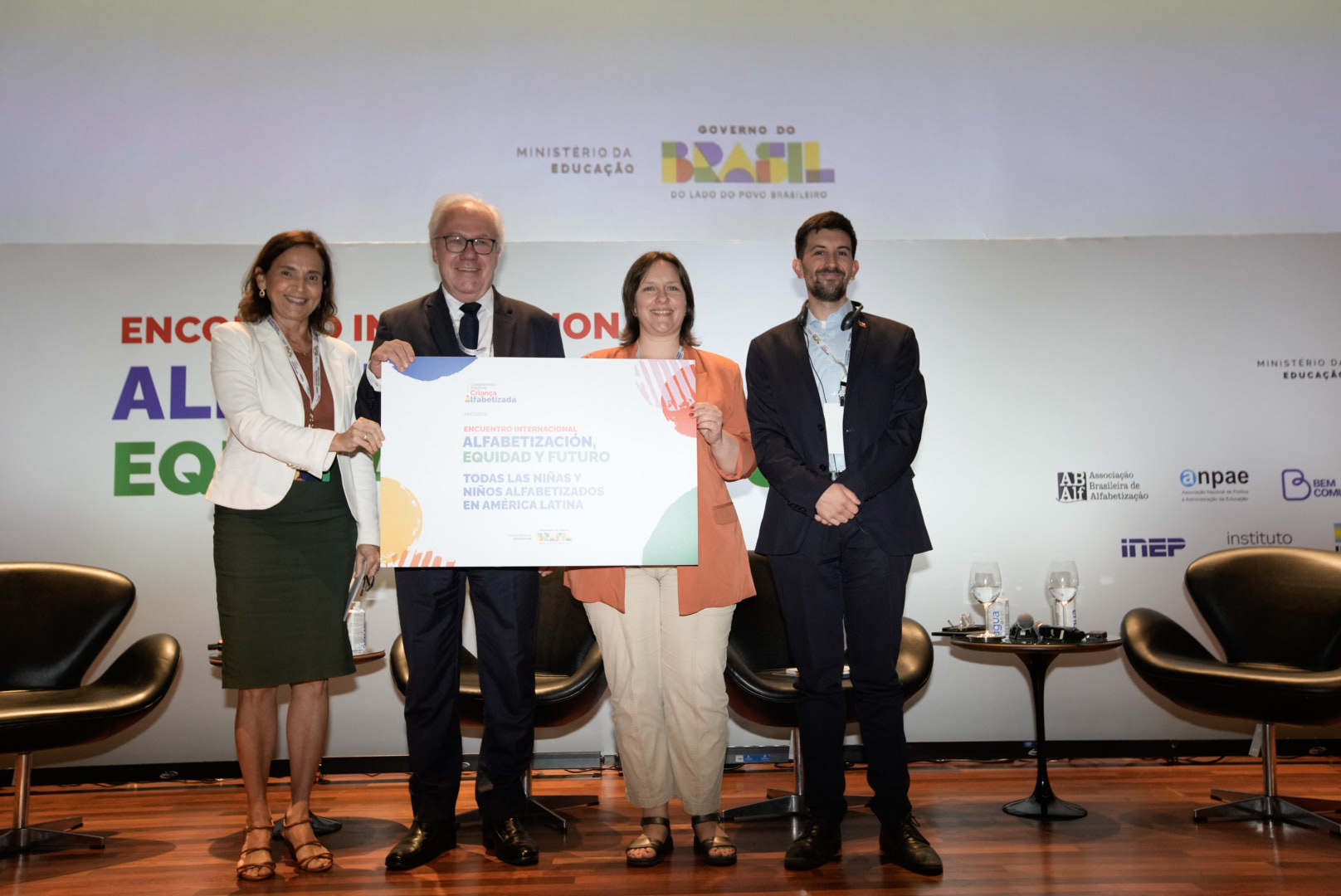
Panel composed of Manuel Palácios, President of INEP (Brazil); Gabriela Salsamendi, Director General of ANEP (Uruguay); and Álvaro Otaegui Morales, Data Specialist at UNESCO (Chile).
2/23 – Panel 4 – The collaborative framework in Brazil’s literacy policy
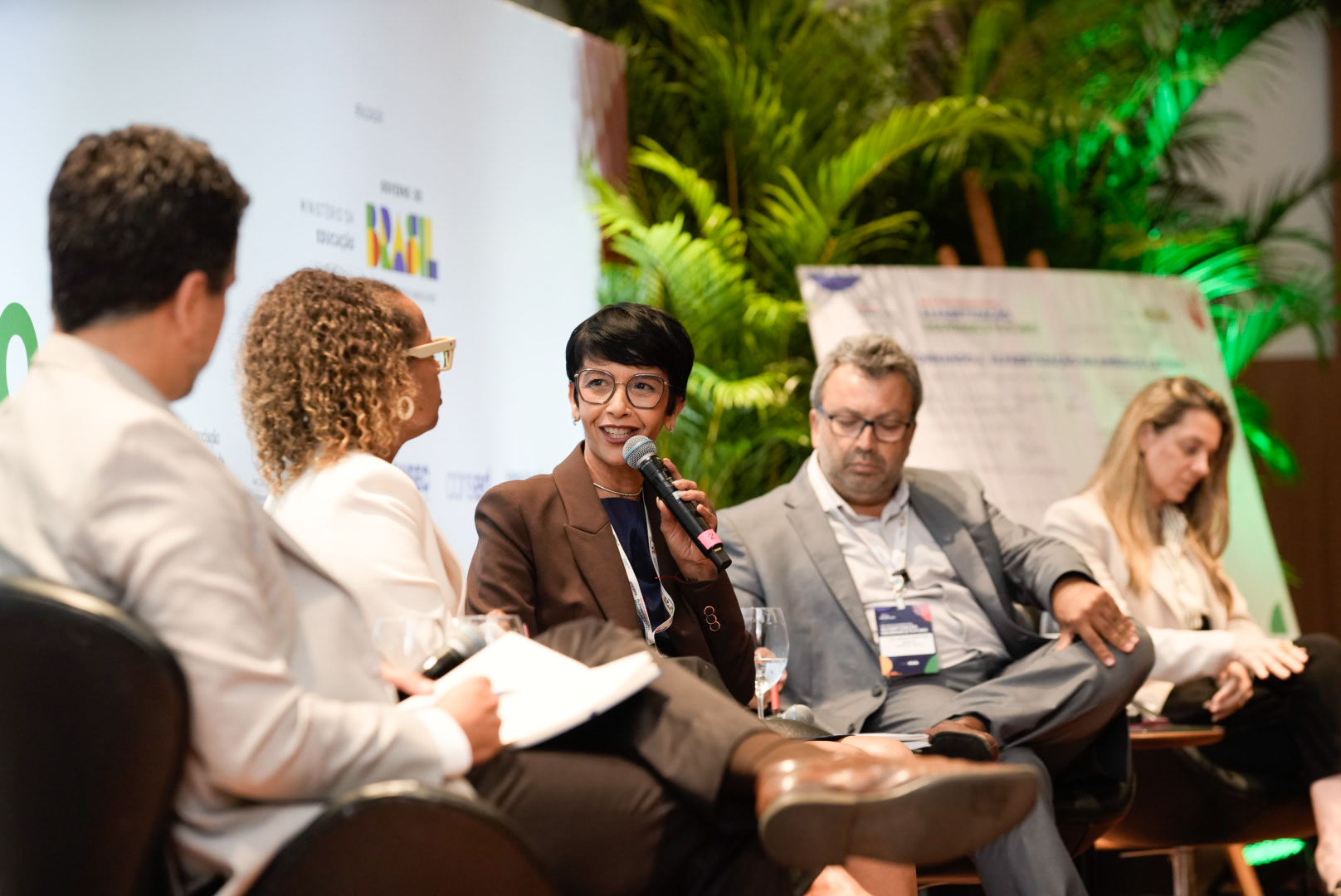
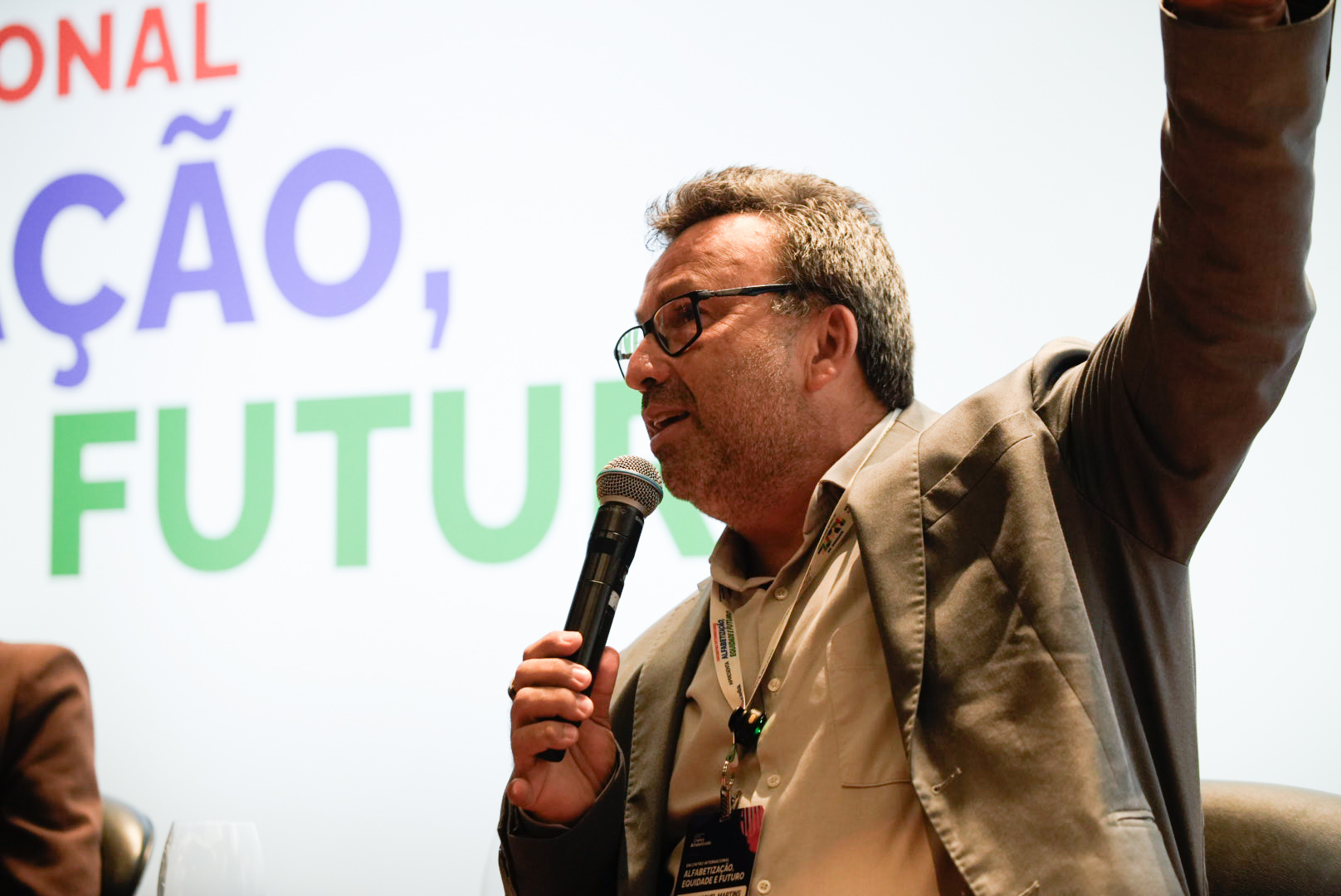
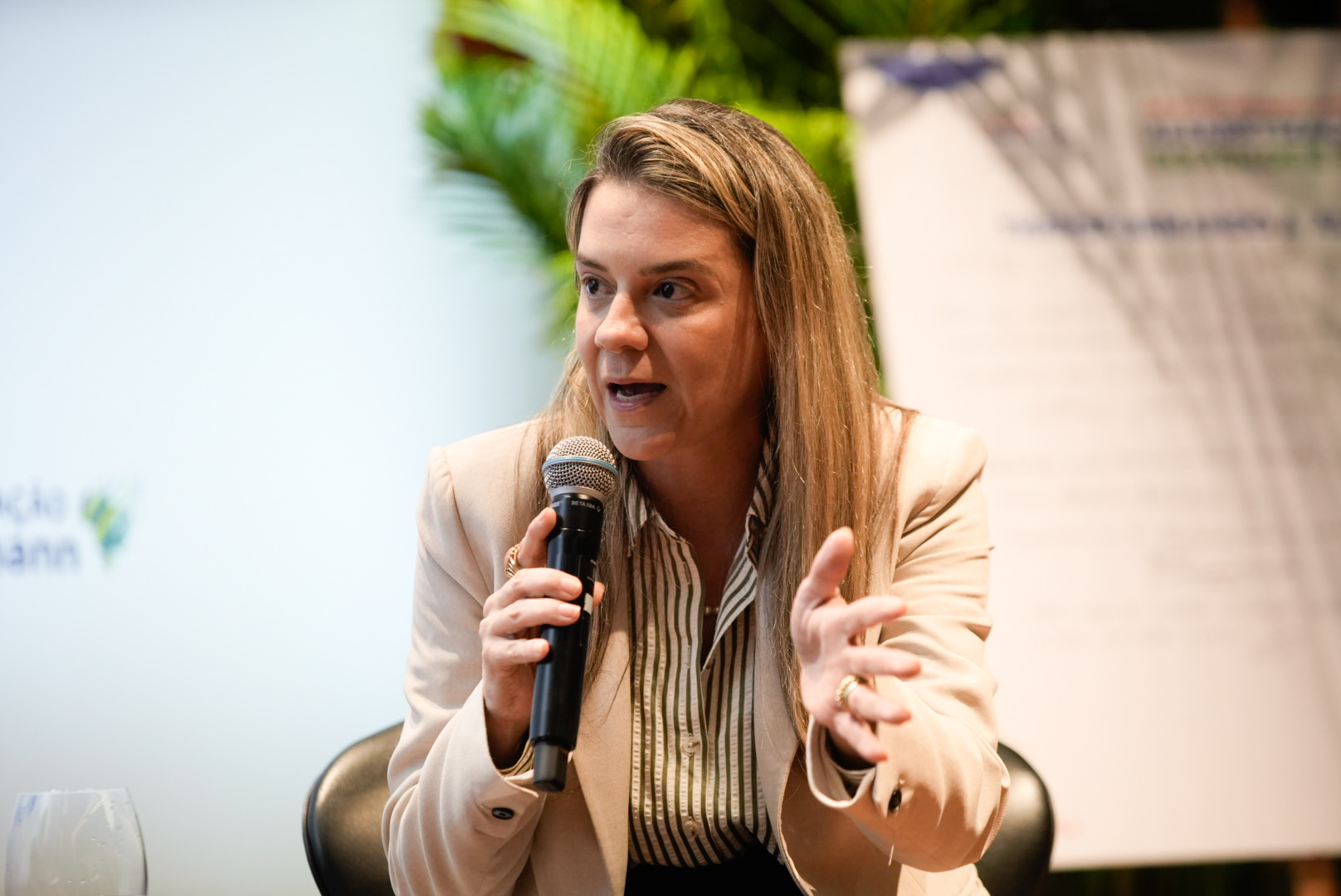
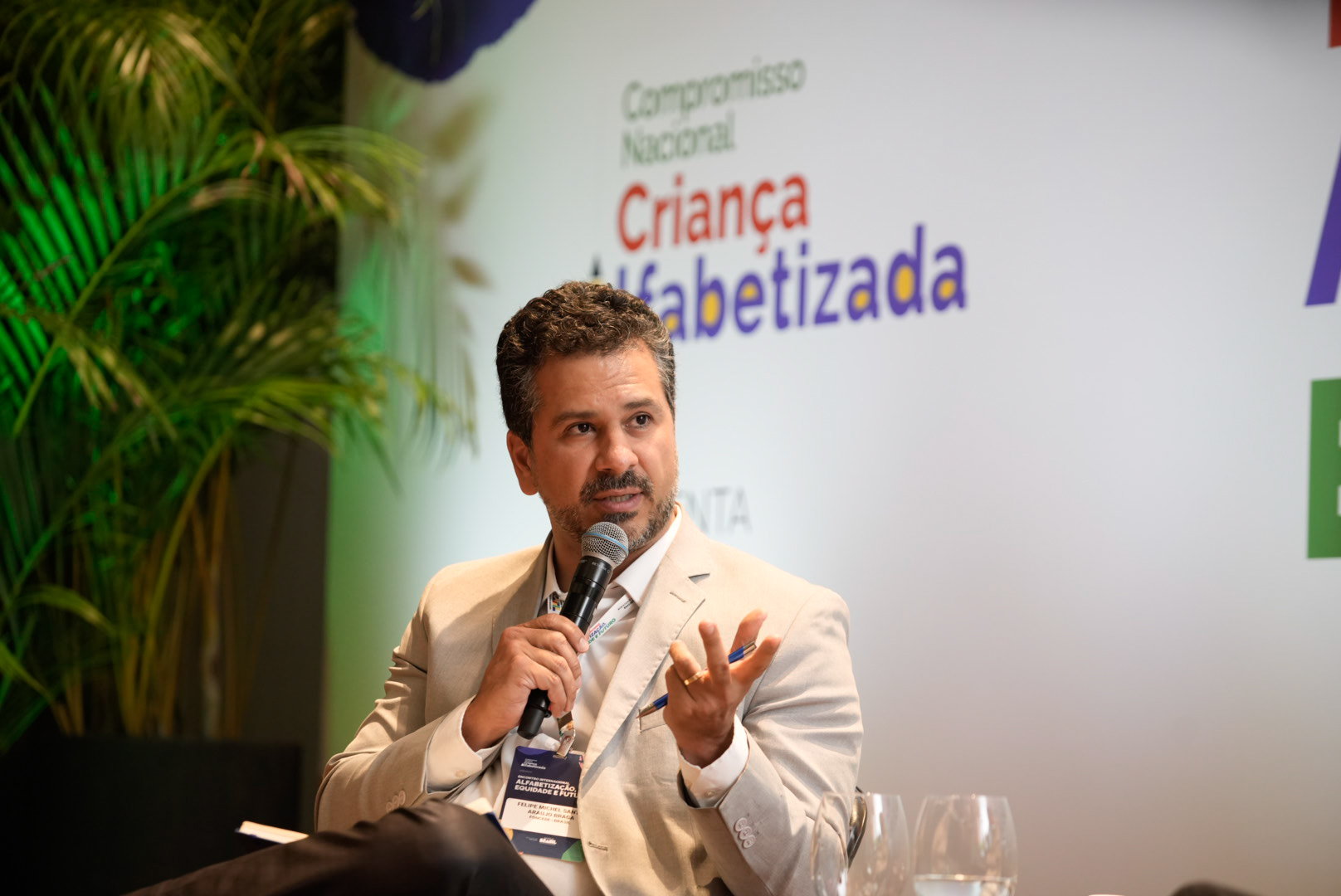
Moderated by Felipe Michel (Foncede), with the participation of Katia Schweickardt, Secretary of Basic Education (Brazil); Secretary Luiz Miguel, President of UNDIME National and Head of the Municipal Department of Education of Sud Mennucci (Brazil); Natália Araújo, Municipal Secretary of Education of Belo Horizonte and representative of Consec (Brazil); and the Acting Secretary of Education of Sergipe and of the National Council of State Secretaries of Education (CONSED) (Brazil).
2/23 – Panel 5 – Social and political mobilization to guarantee the right to literacy
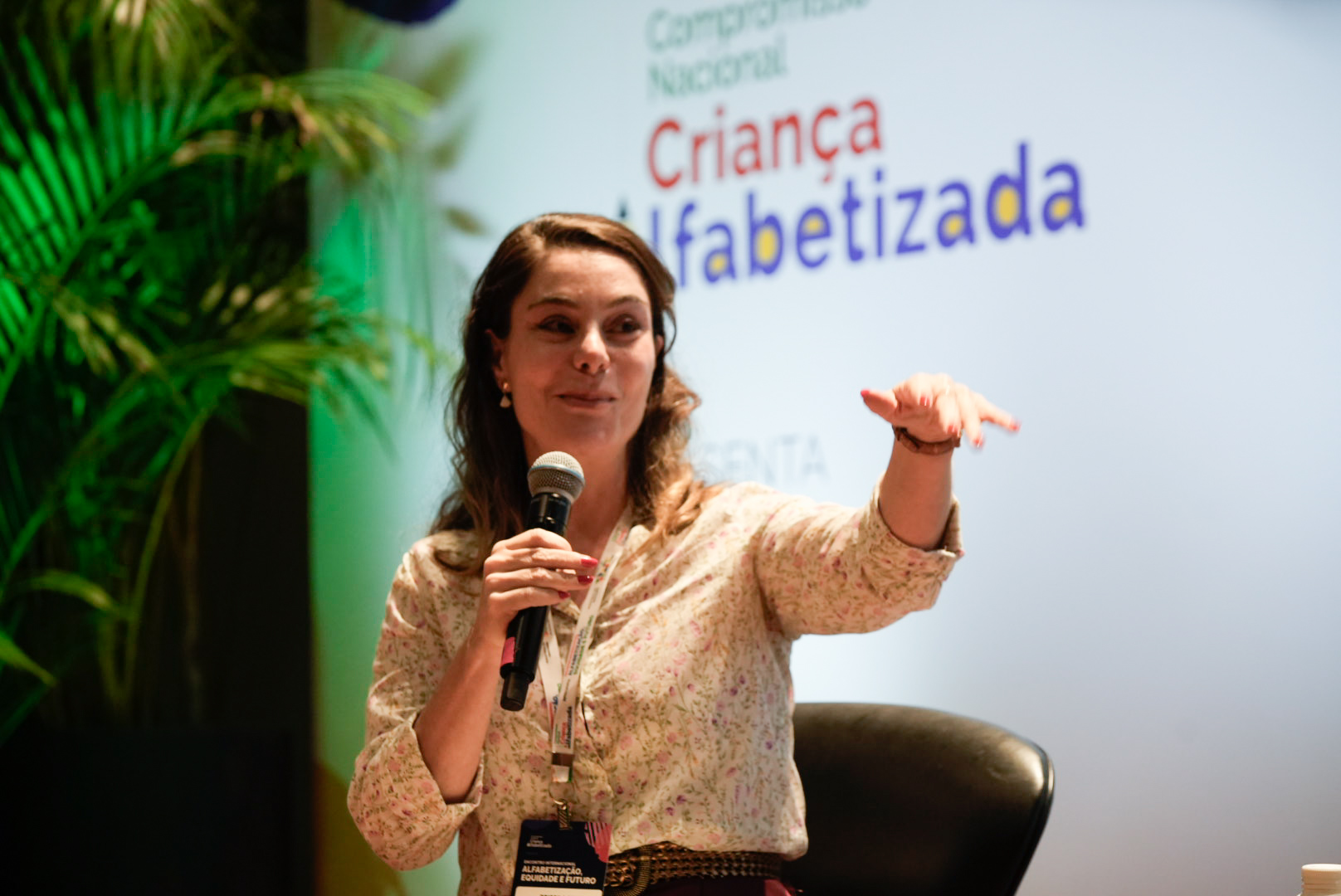
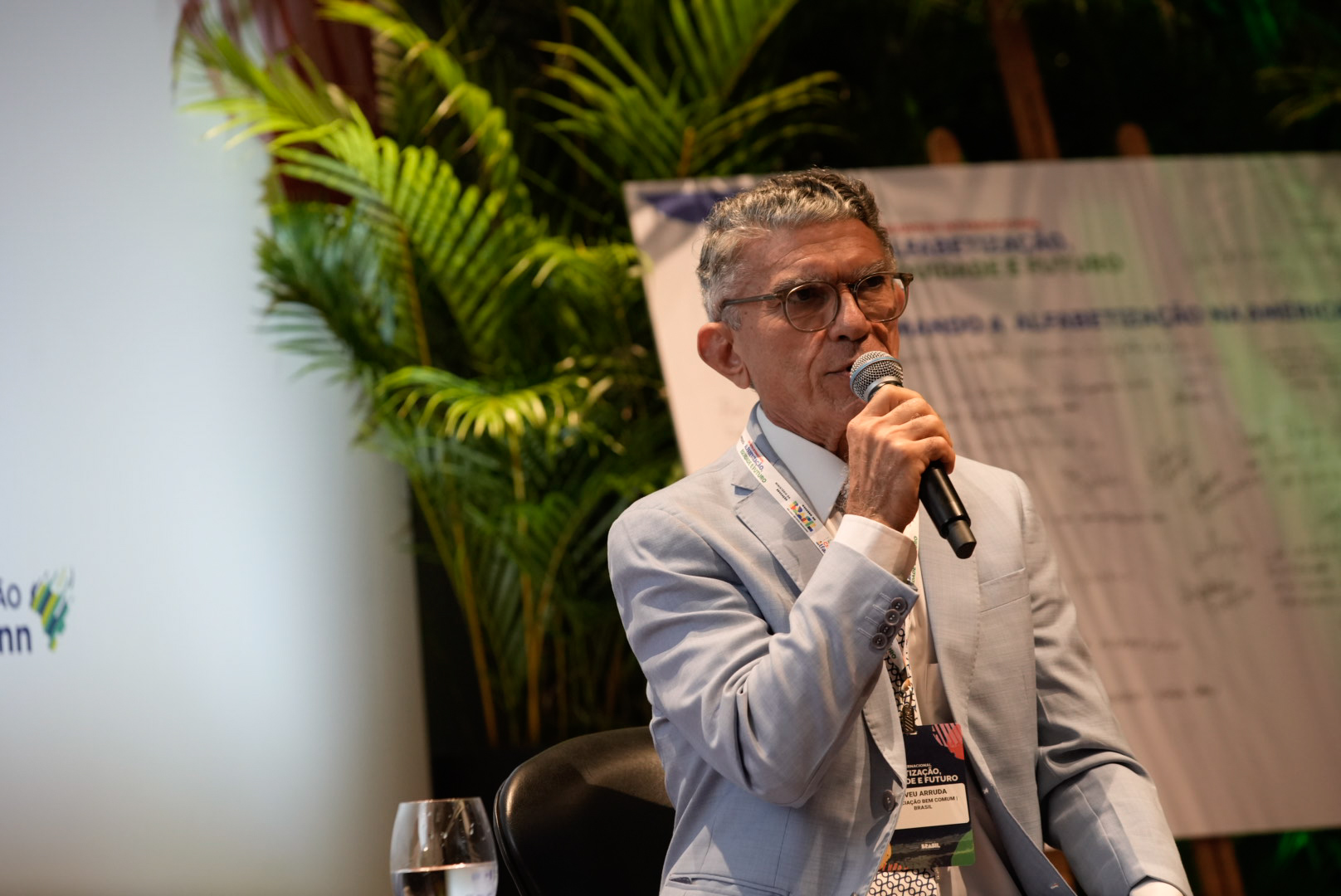
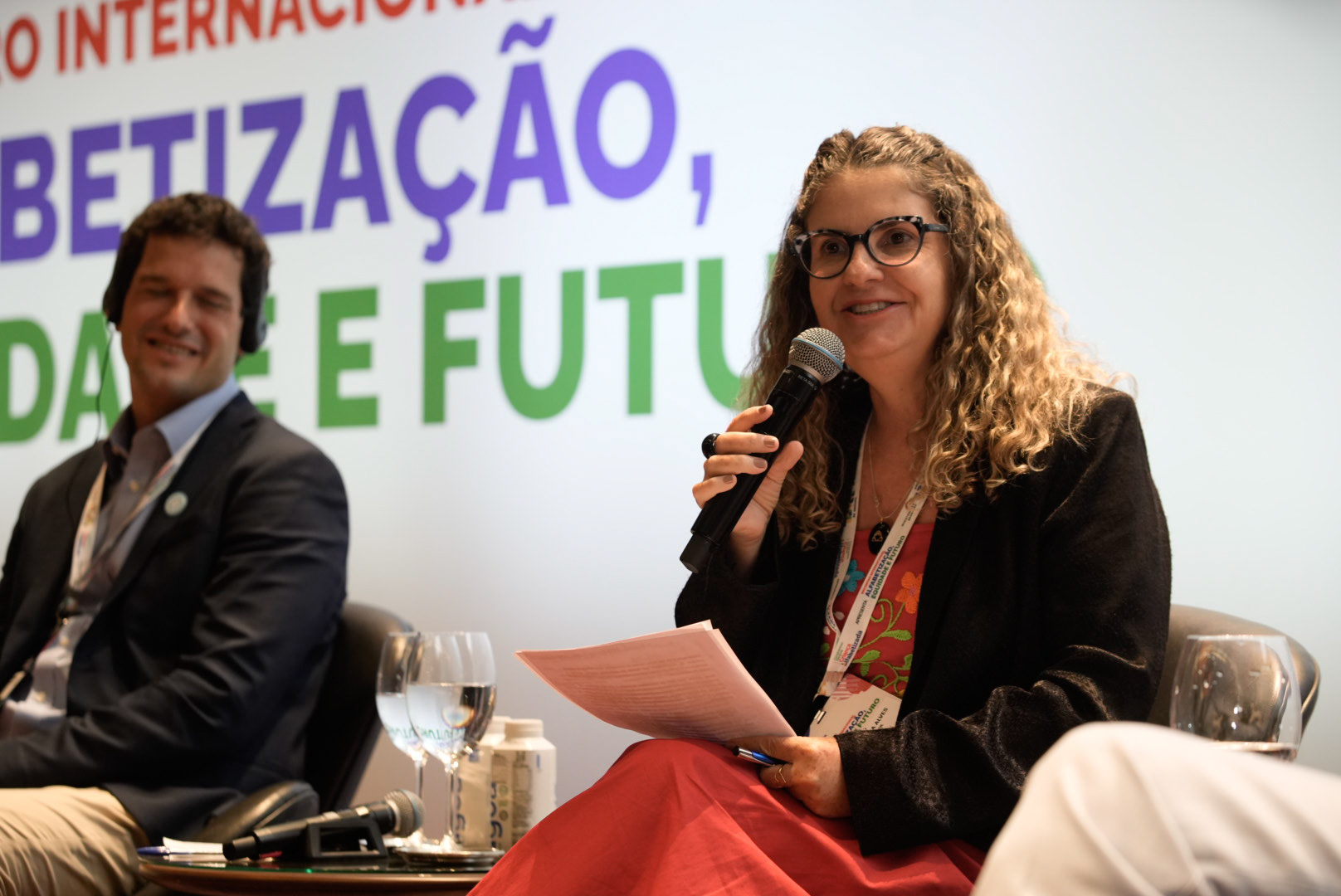
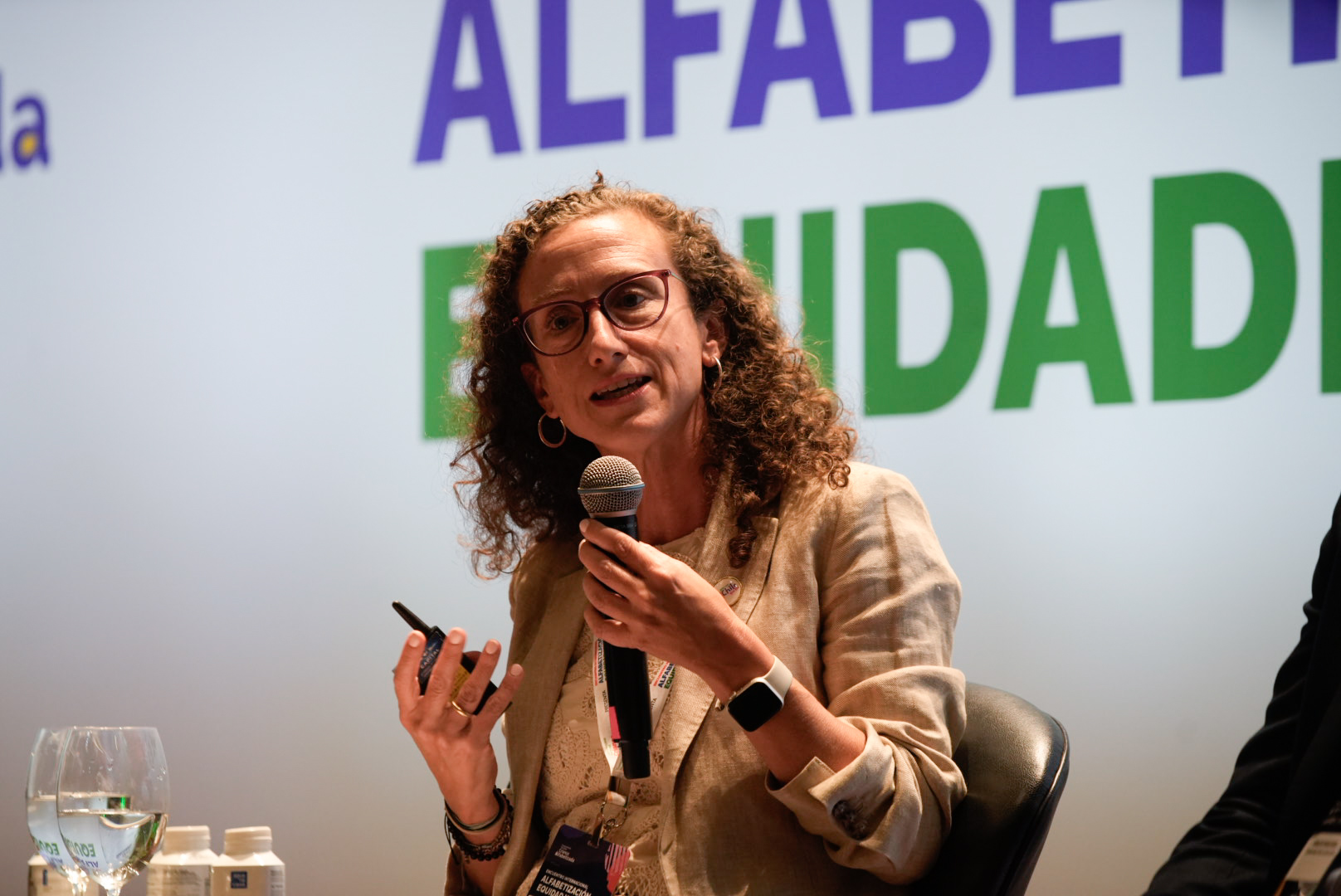
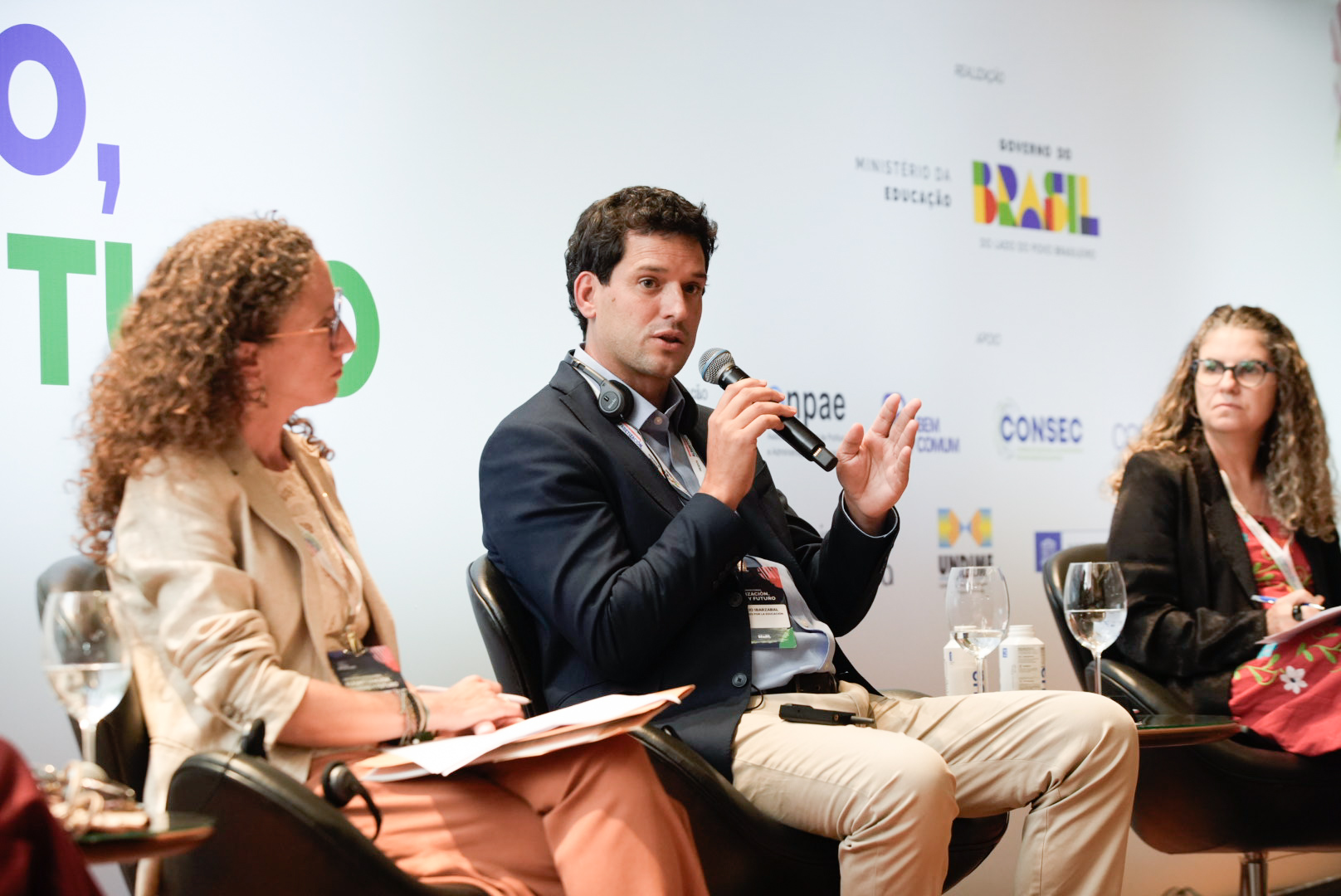
Moderated by Priscila Cruz, President of Todos Pela Educação, with the participation of Veveu Arruda, Executive Director of Associação Bem Comum (Brazil); Miriam Fabia, President of the National Association for Graduate Studies and Research in Education (ANPED) (Brazil); Ignacio Ibarzábal, Executive Director of Argentinos por la Educación (Argentina); and Carolina Andueza, President of Por un Chile que Lee (Chile).
2/24 – Panel 6 – Literacy policies in perspective: researchers and public managers in dialogue
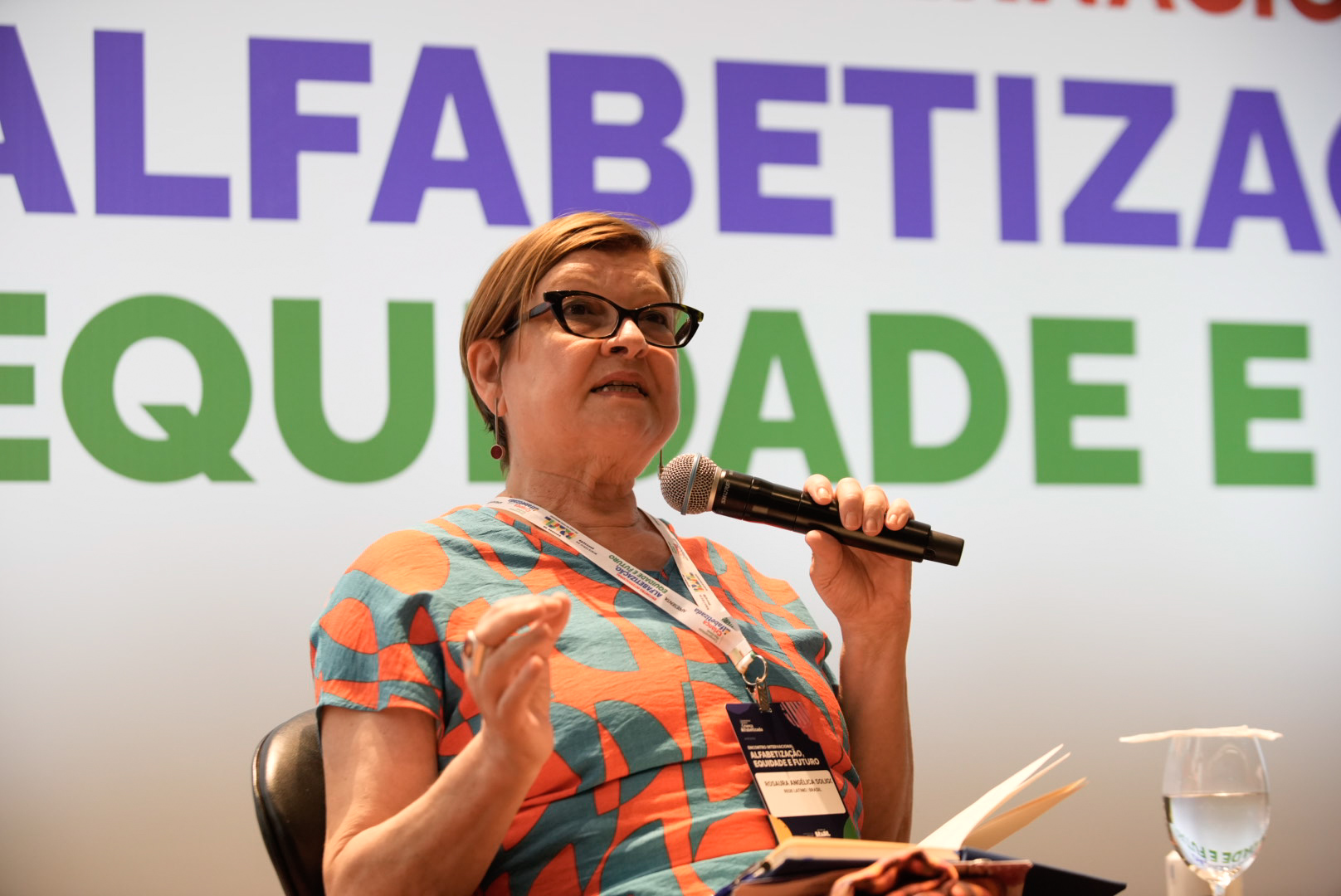
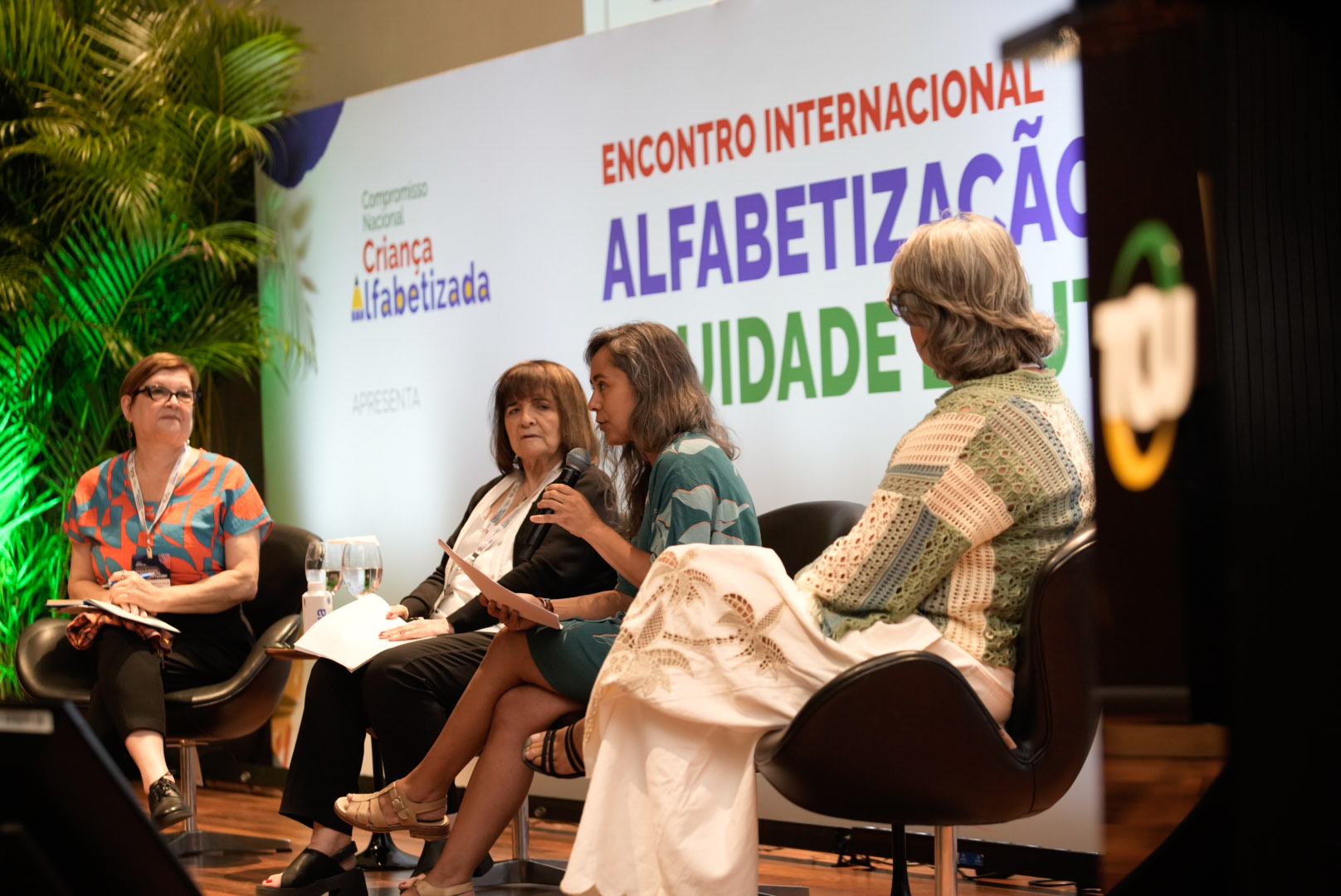
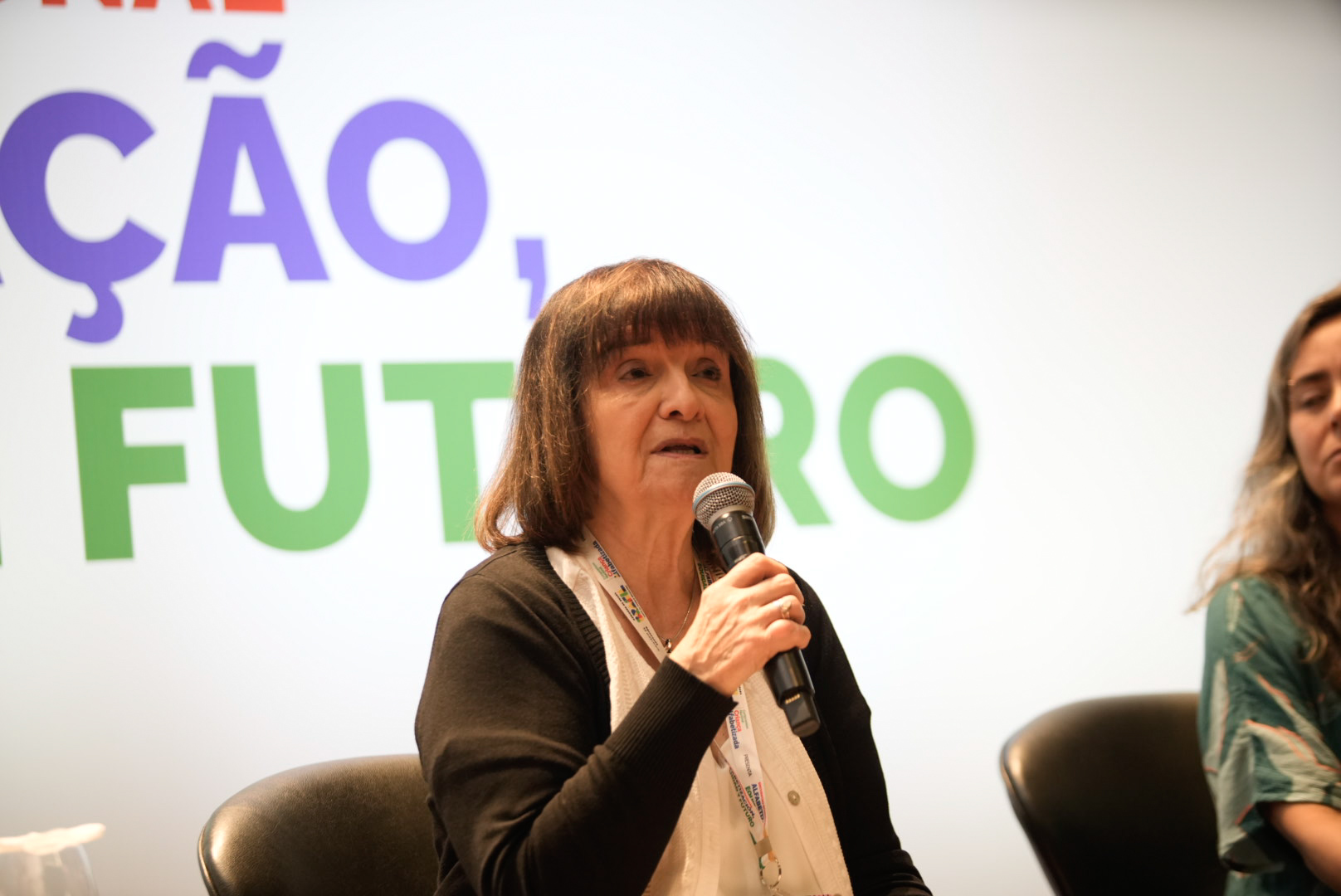
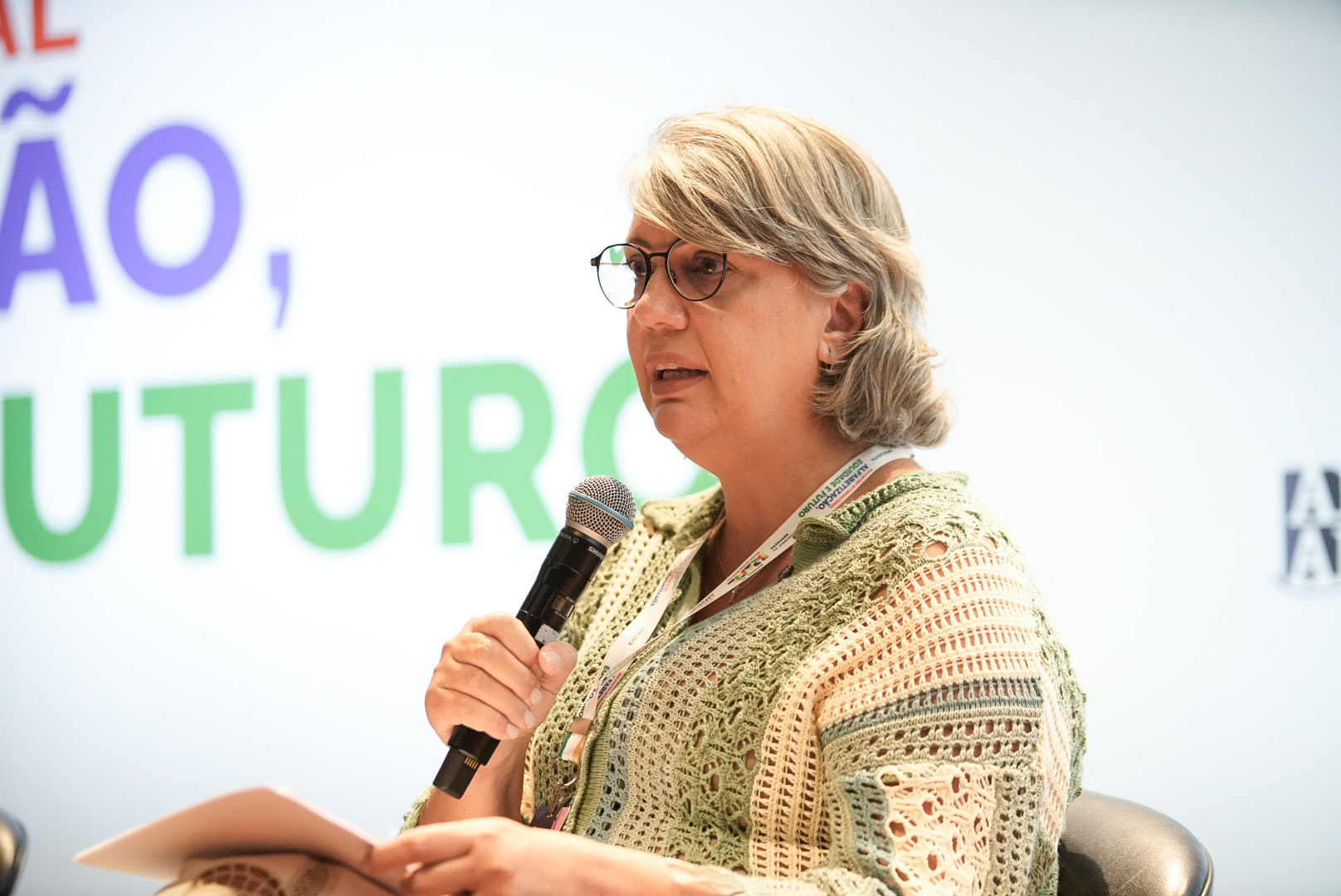
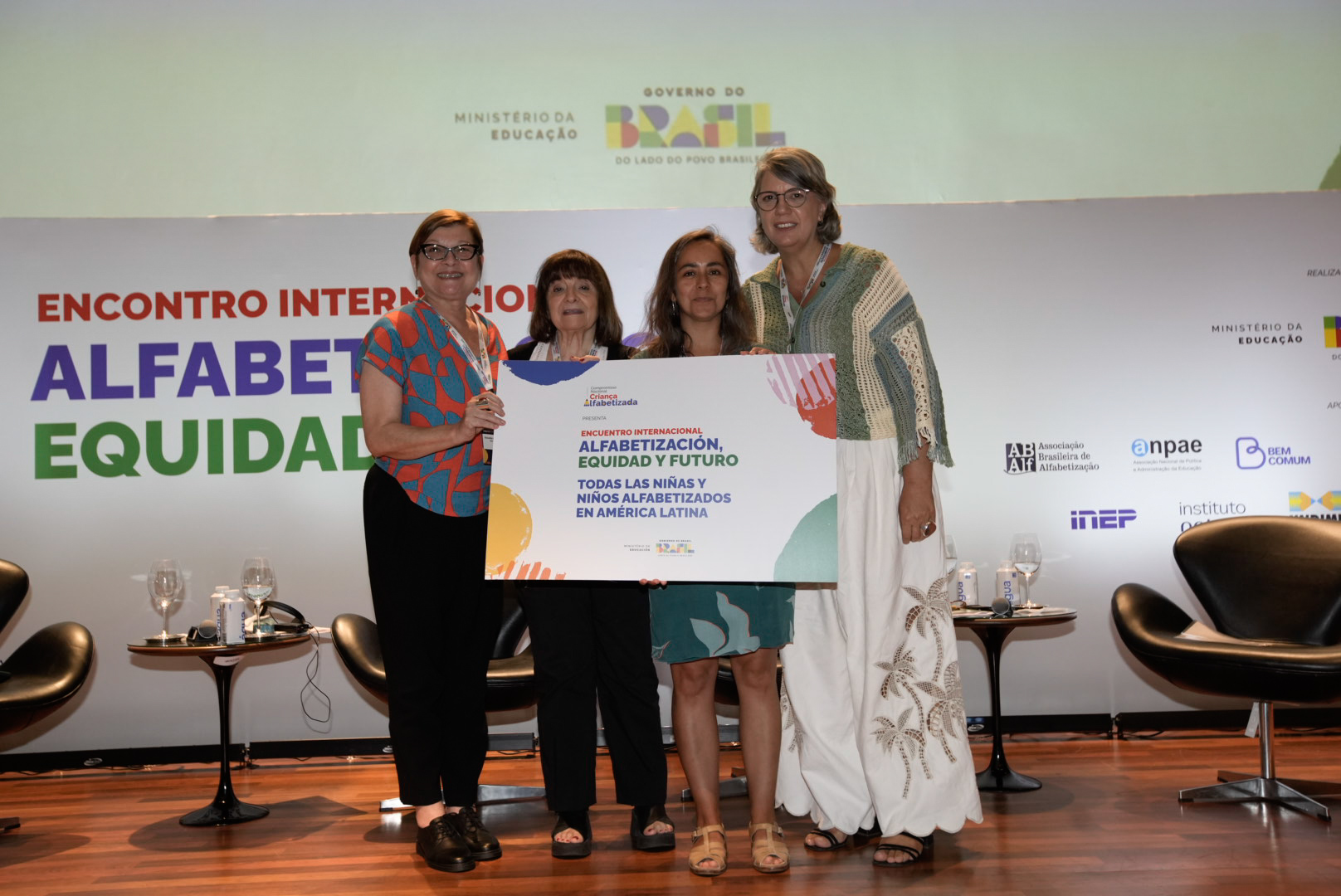
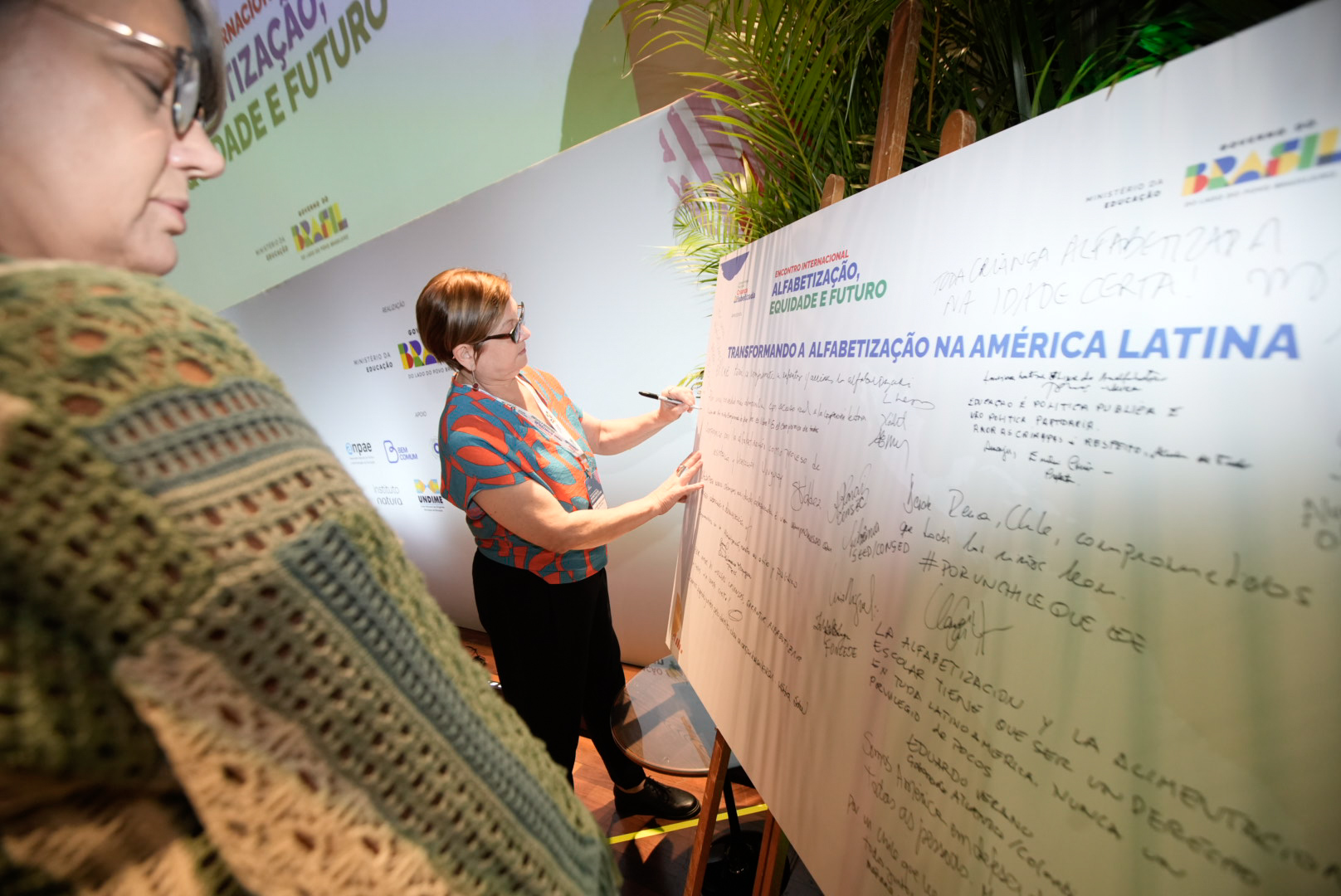
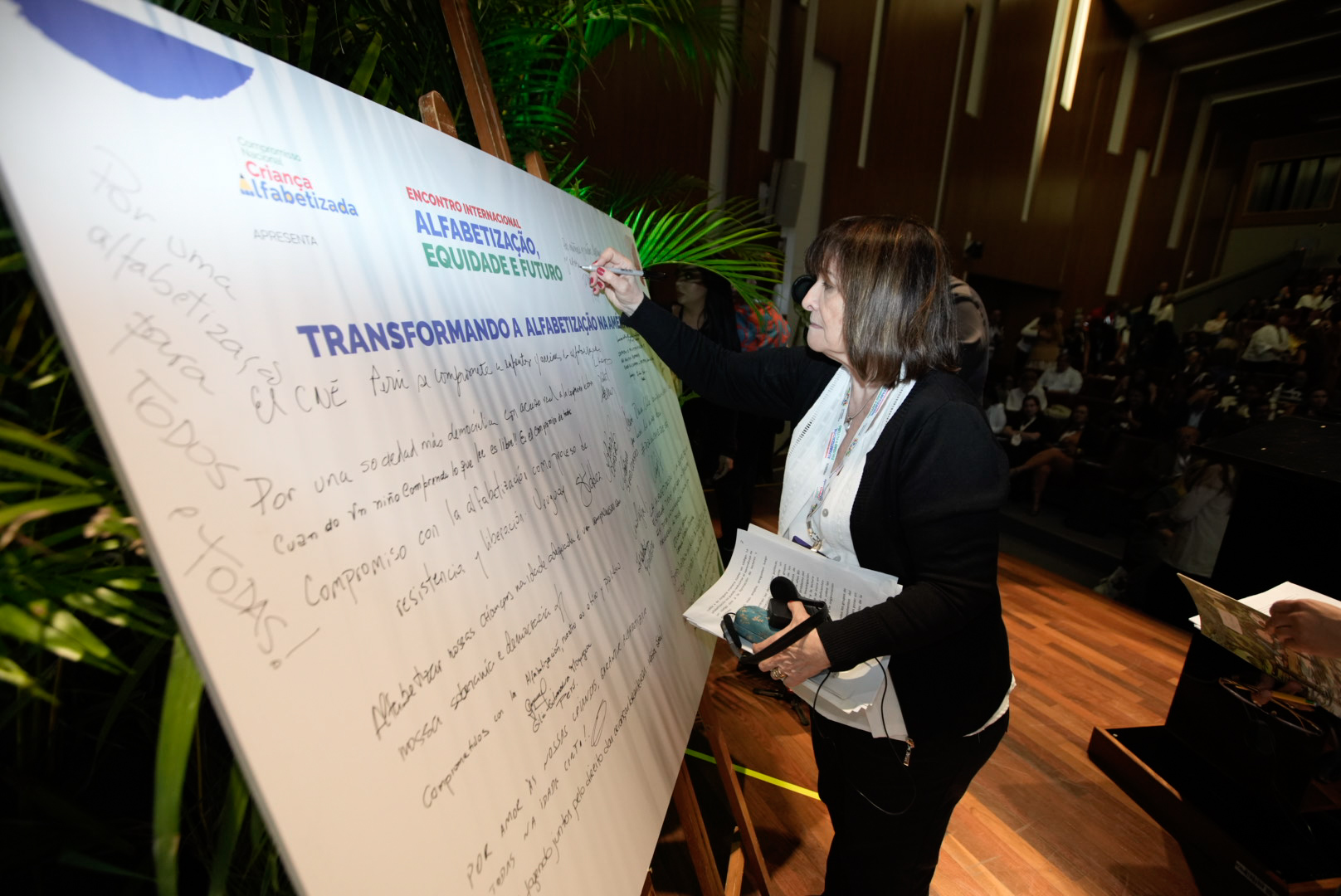
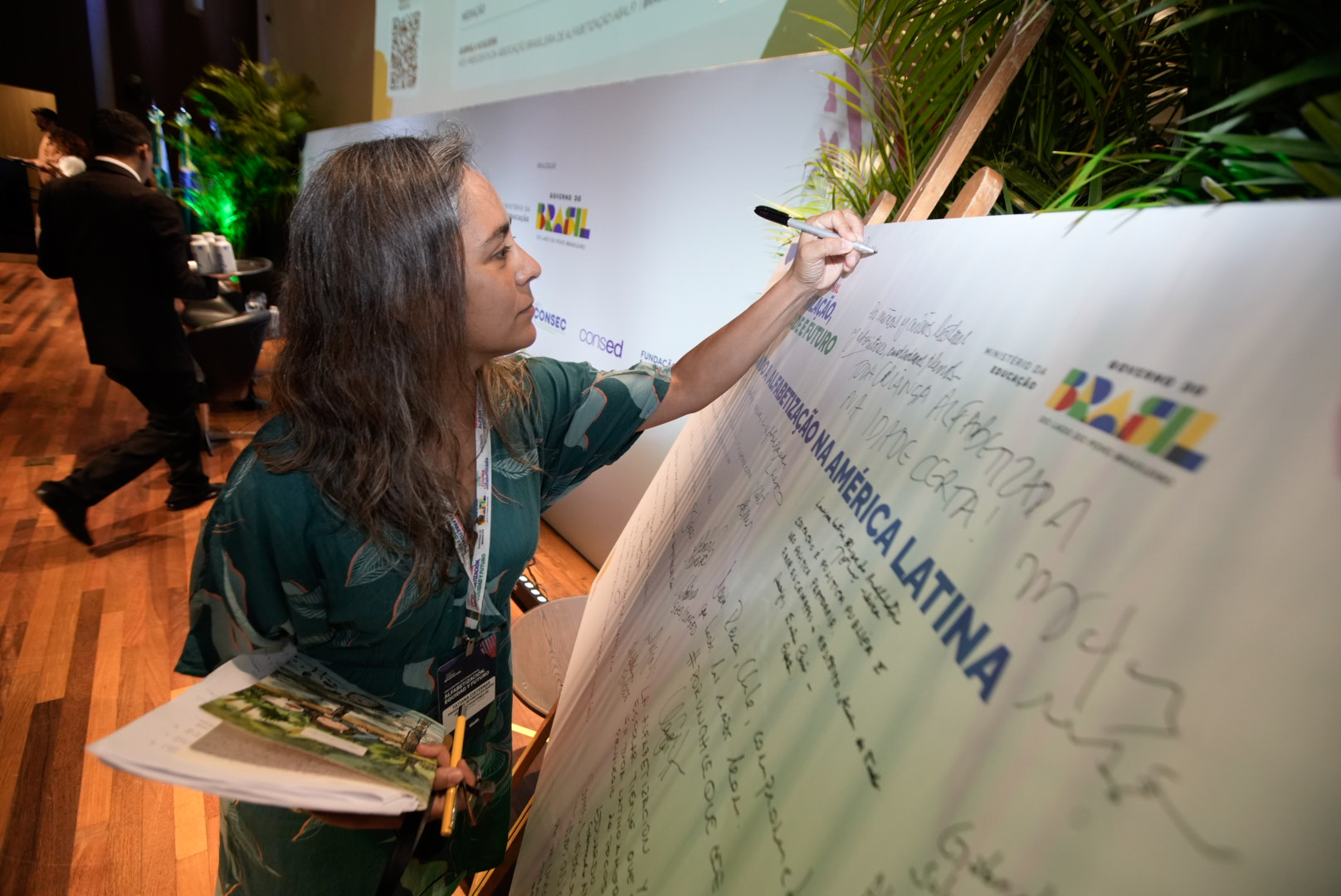
Moderated by Rosaura Soligo (Latin American Literacy Network), with the participation of Tatiana Cisternas León, Professor at the Interdisciplinary Program for Research in Education (Chile); Giovana Zen, President of the Latin American Literacy Network (Brazil); and Mirta Torres, Director of Primary Education (Province of Buenos Aires, Argentina).
2/24 – Panel 7 – Literacy policies in perspective: diversity, inequalities and the challenge of educational equity
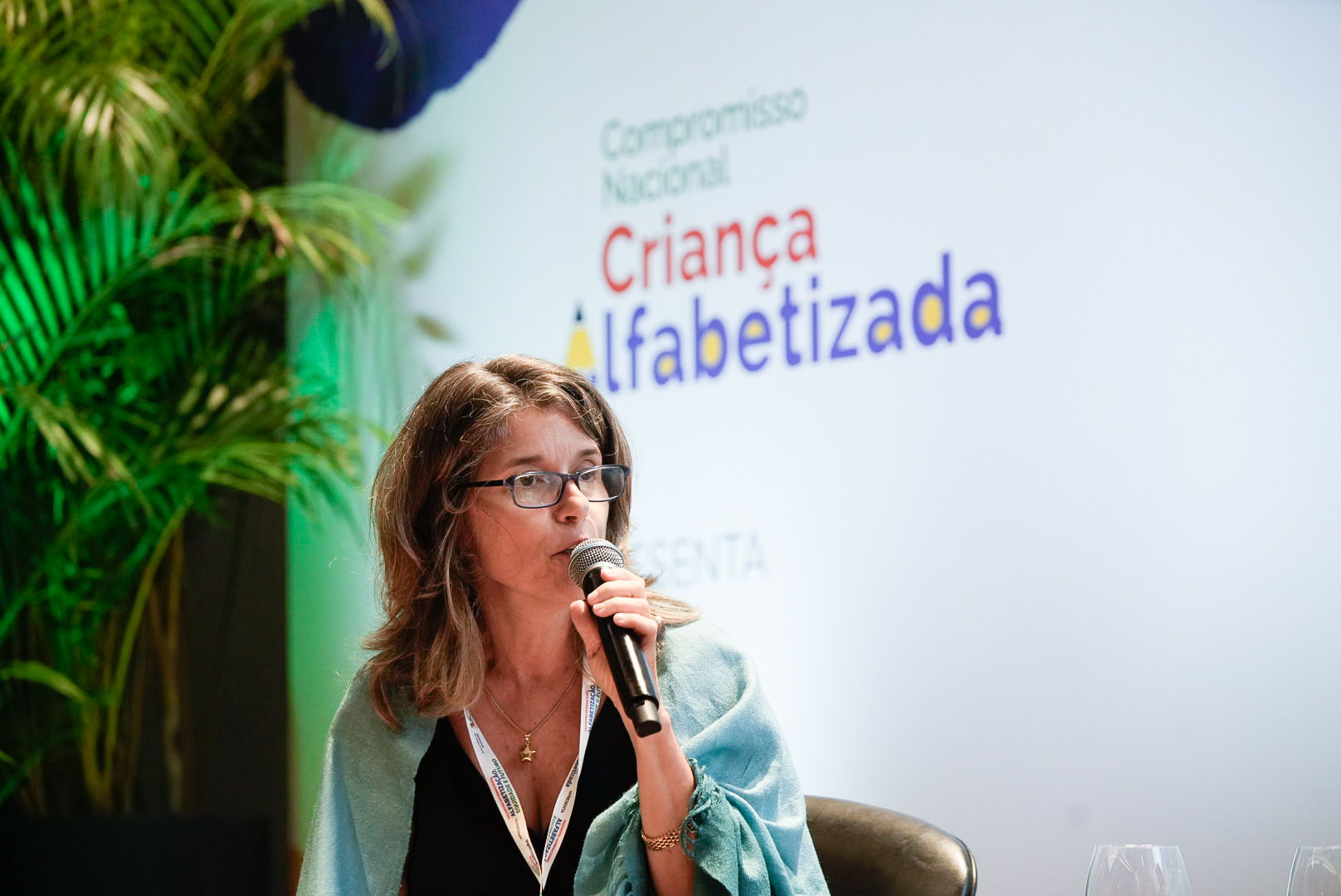
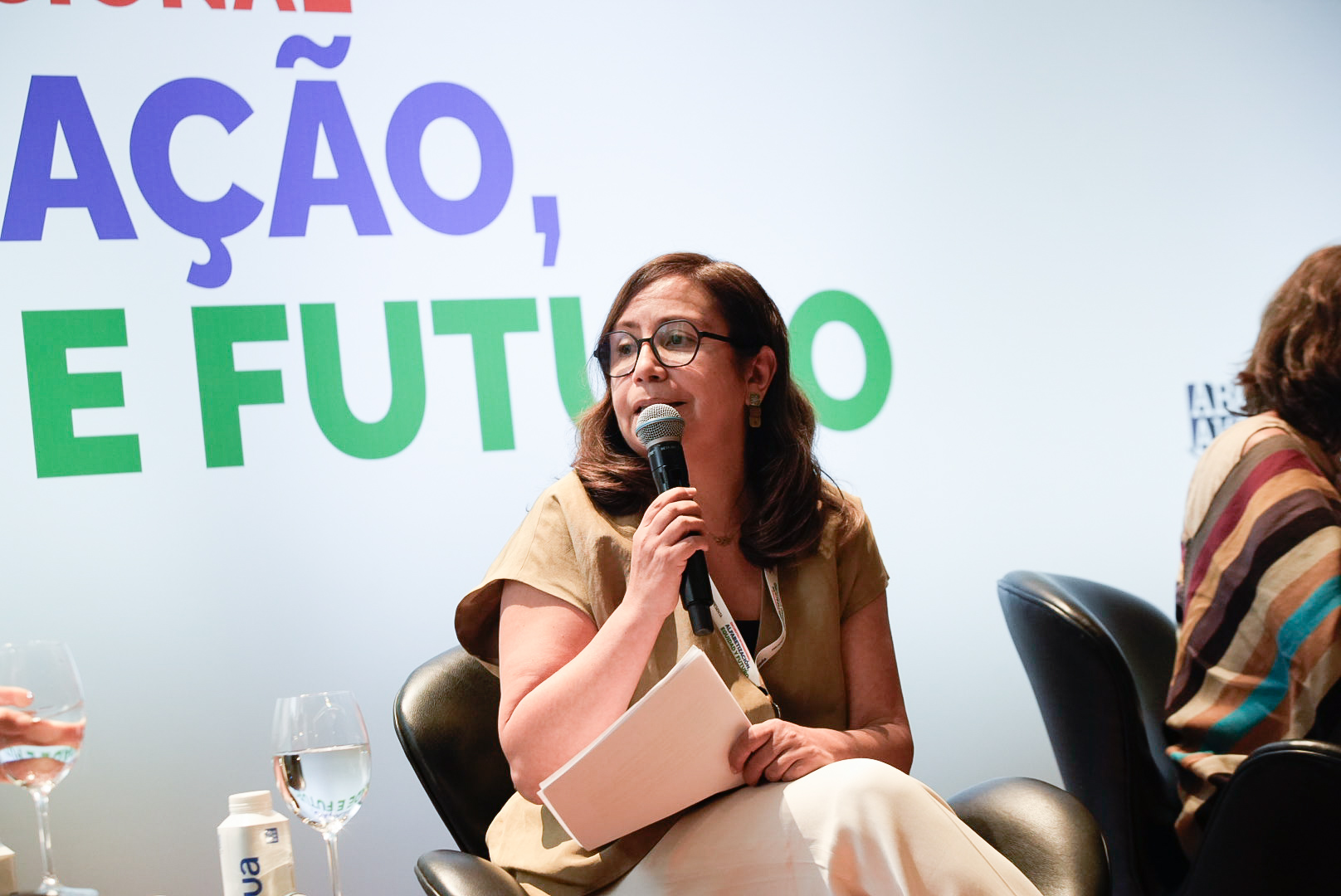
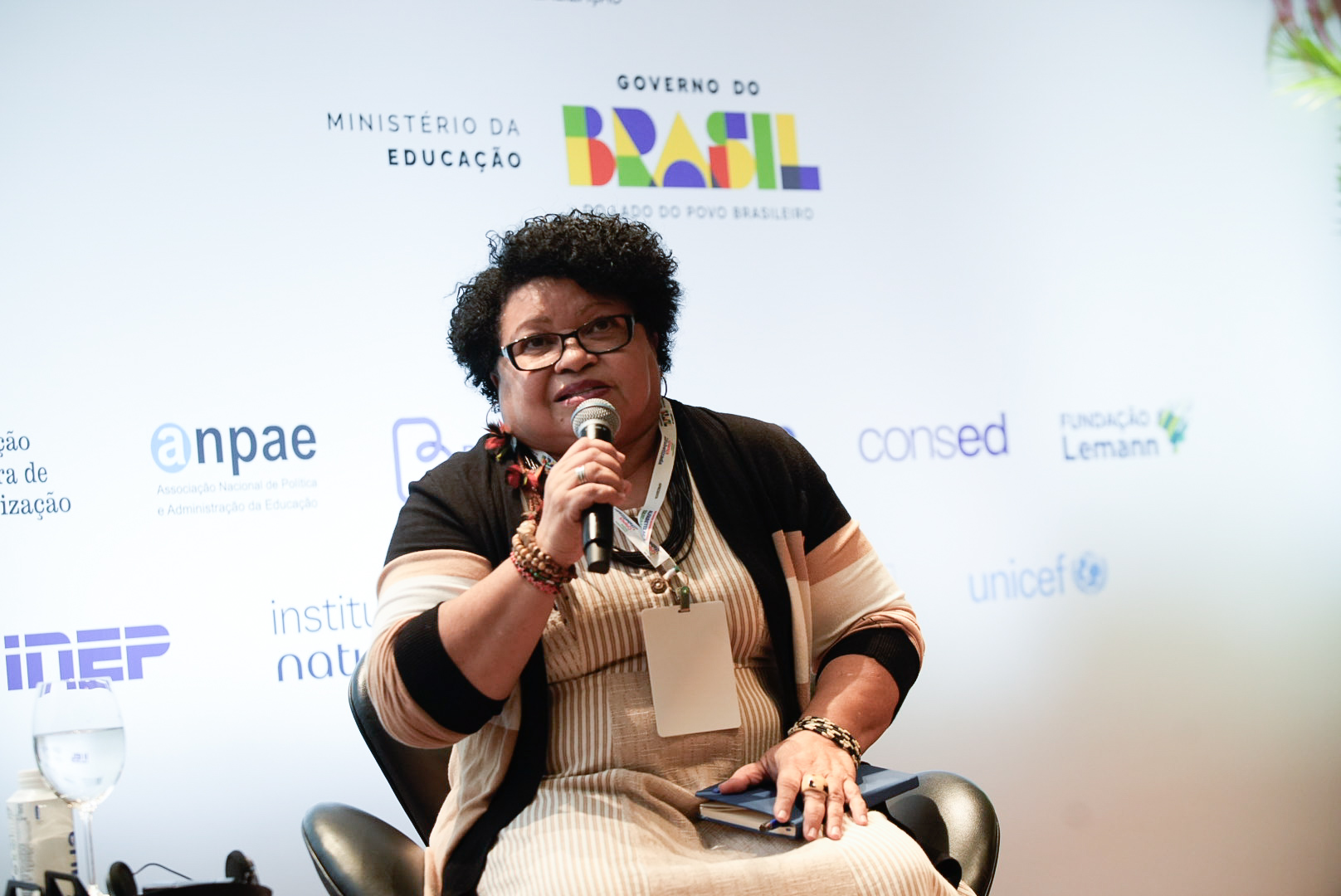
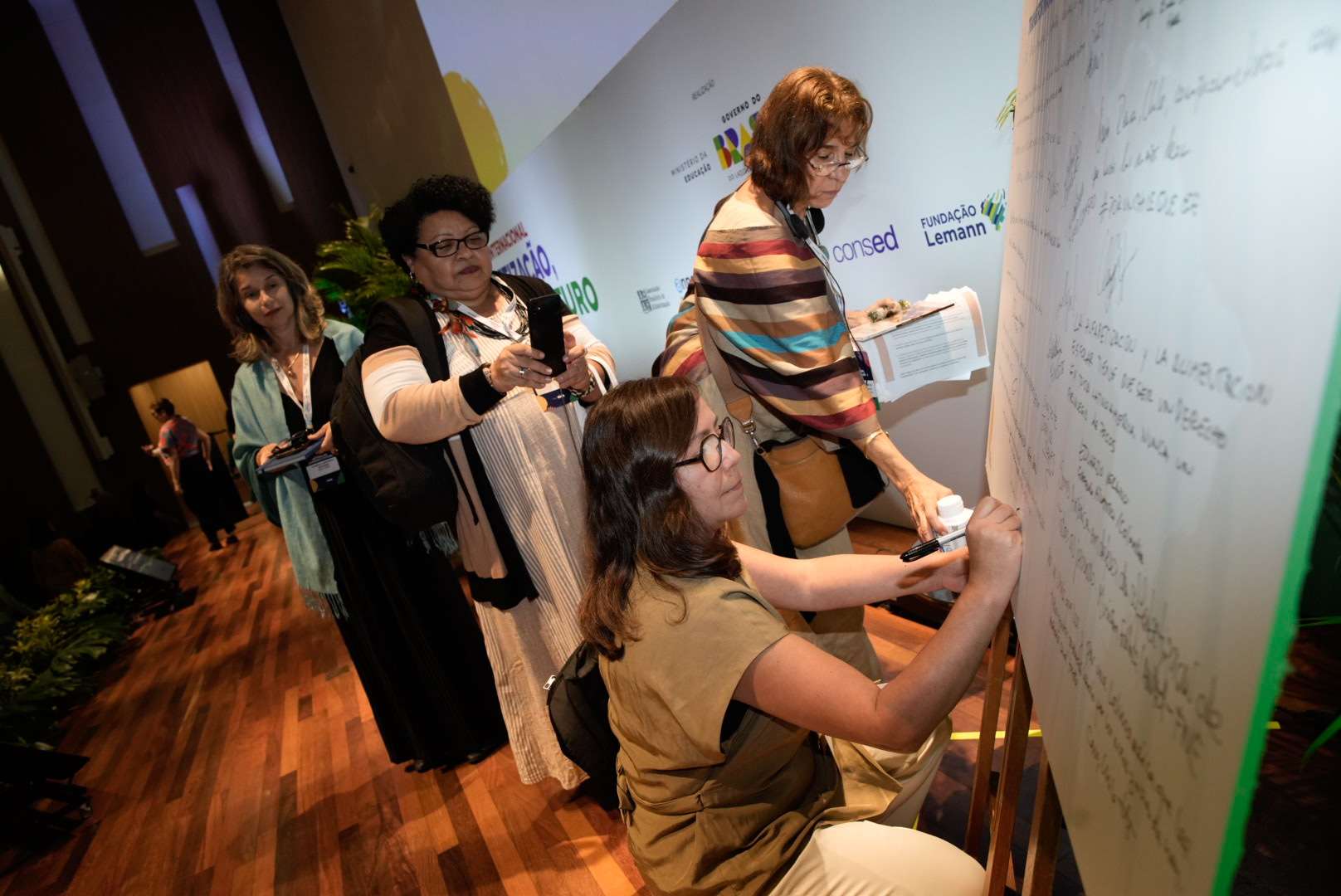
Moderated by Gabriela Nogueira (Abalf/Anped), with the participation of Graciela Quinteros, Professor at the Autonomous Metropolitan University (Mexico); Liliana Miranda, Associate Researcher at GRADE (Peru); and Josélia Gomes Neves, UNIR (Brazil).
2/24 – Panel 8 – Literacy policies in perspective: the teaching practice under discussion
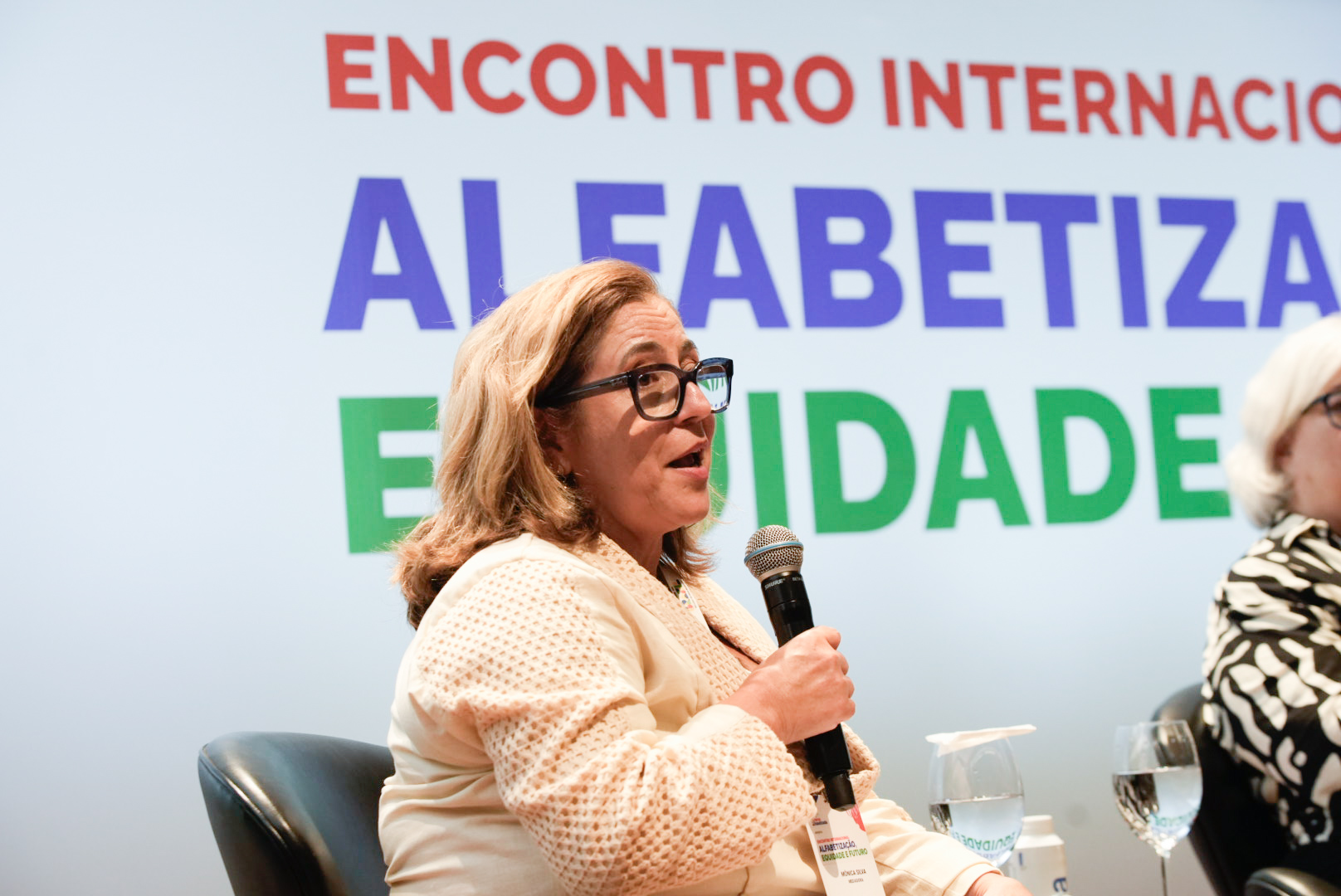
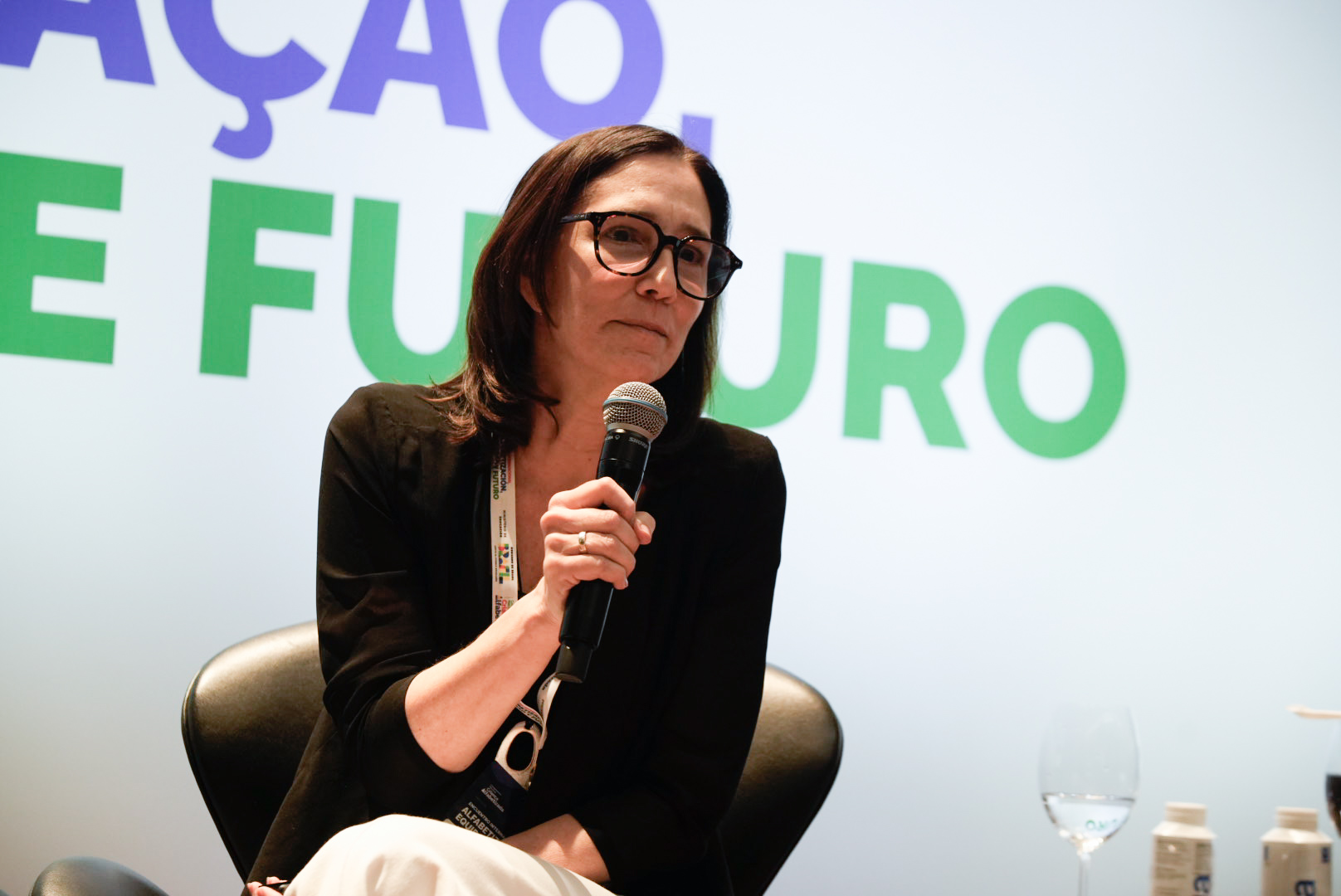
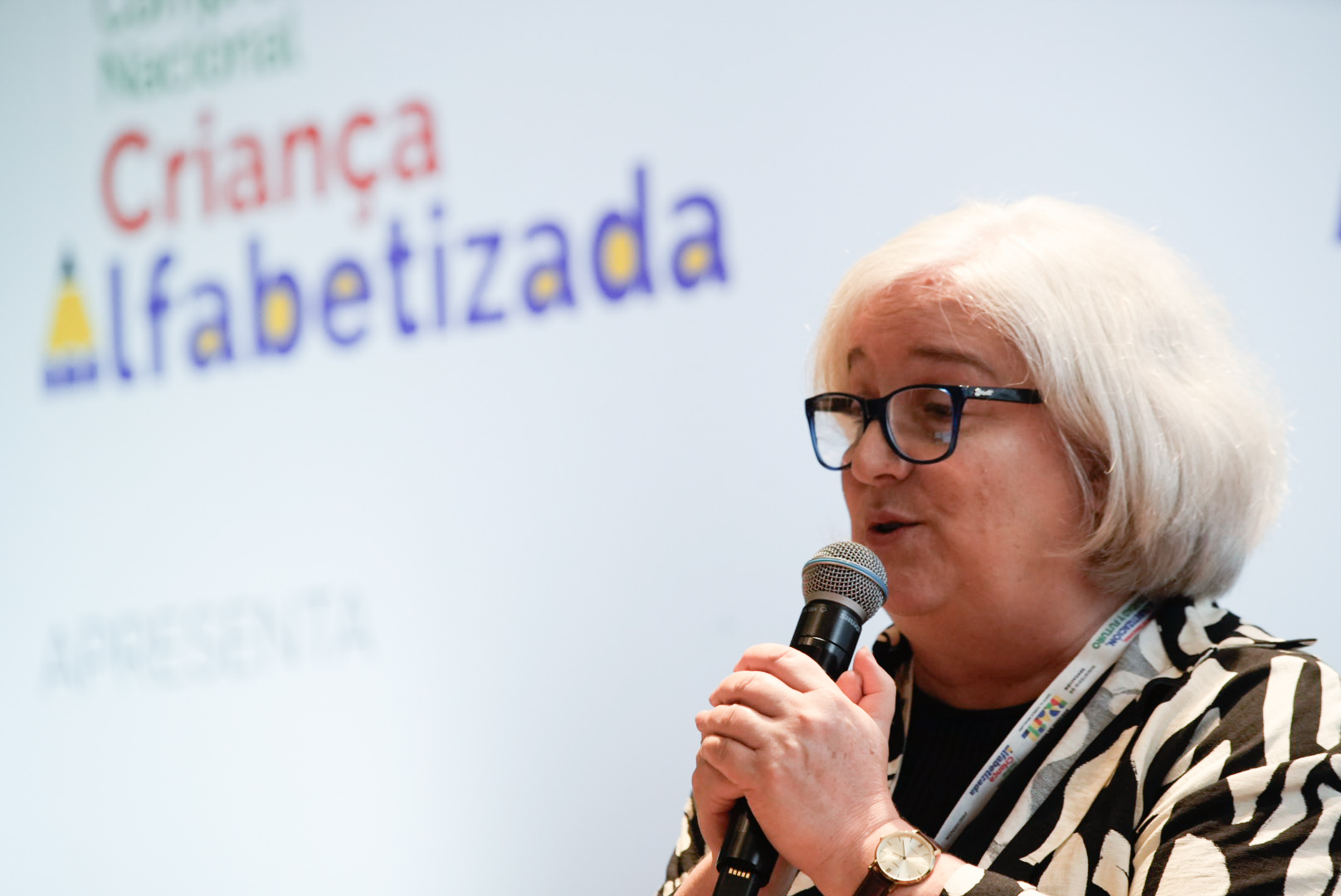
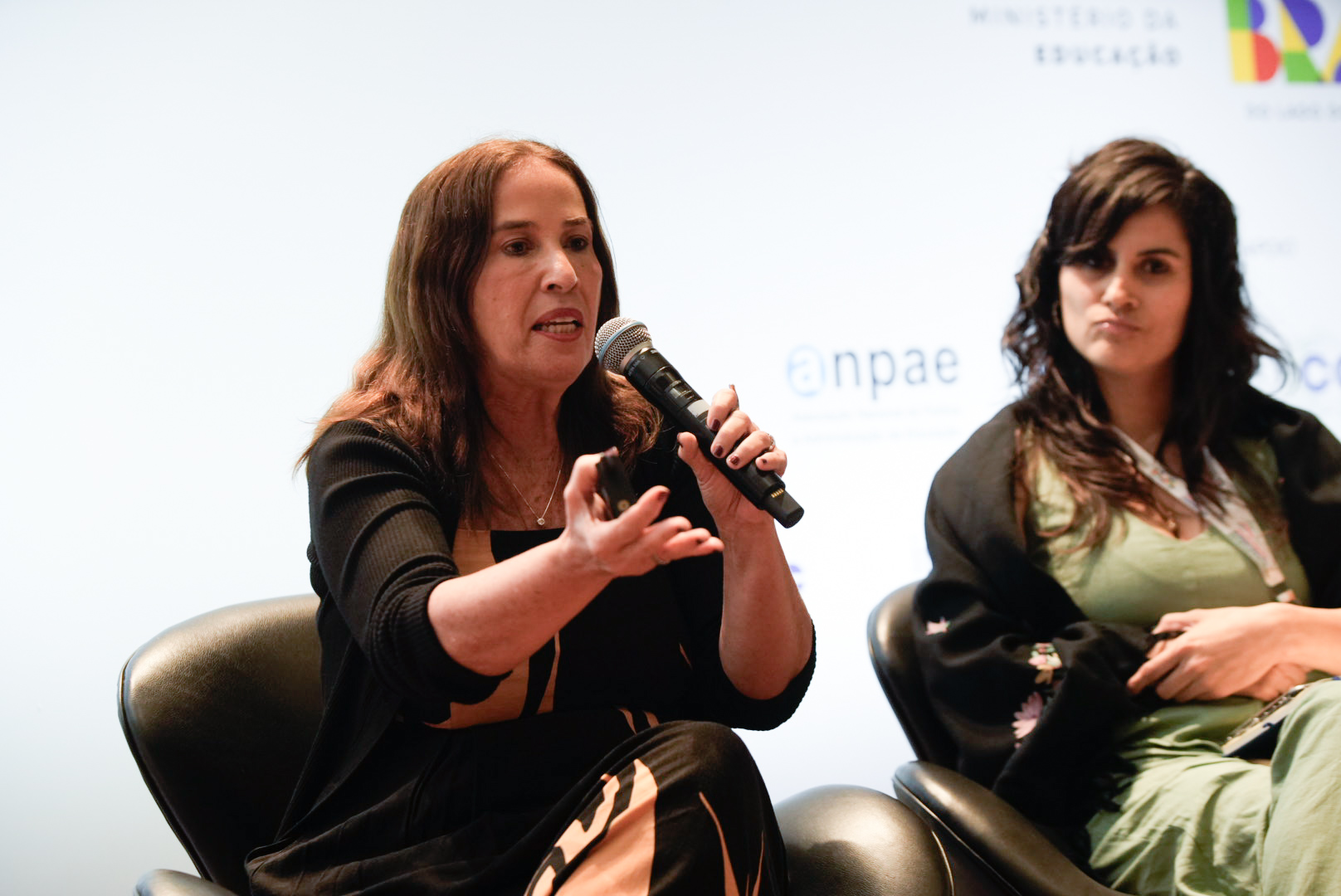
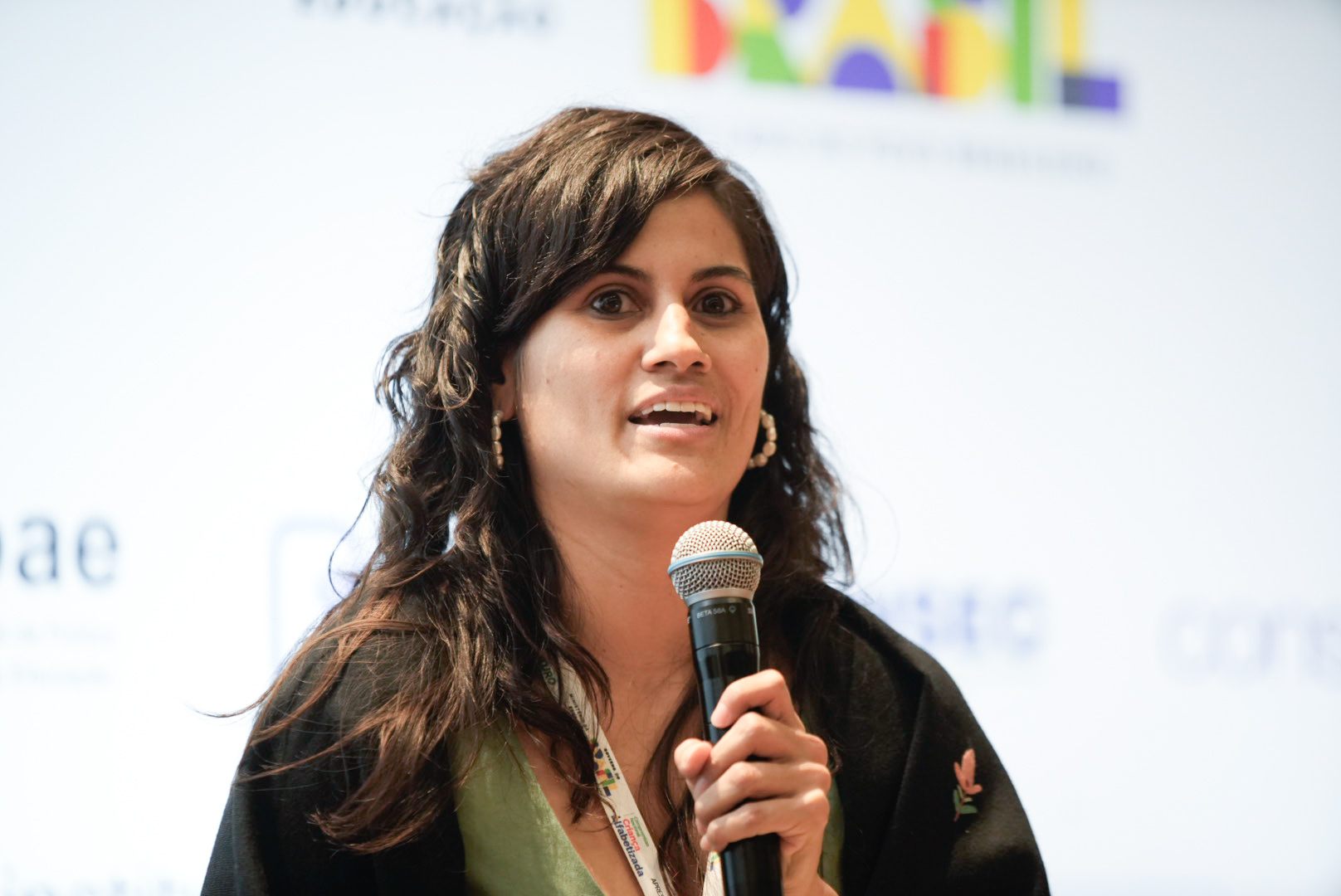
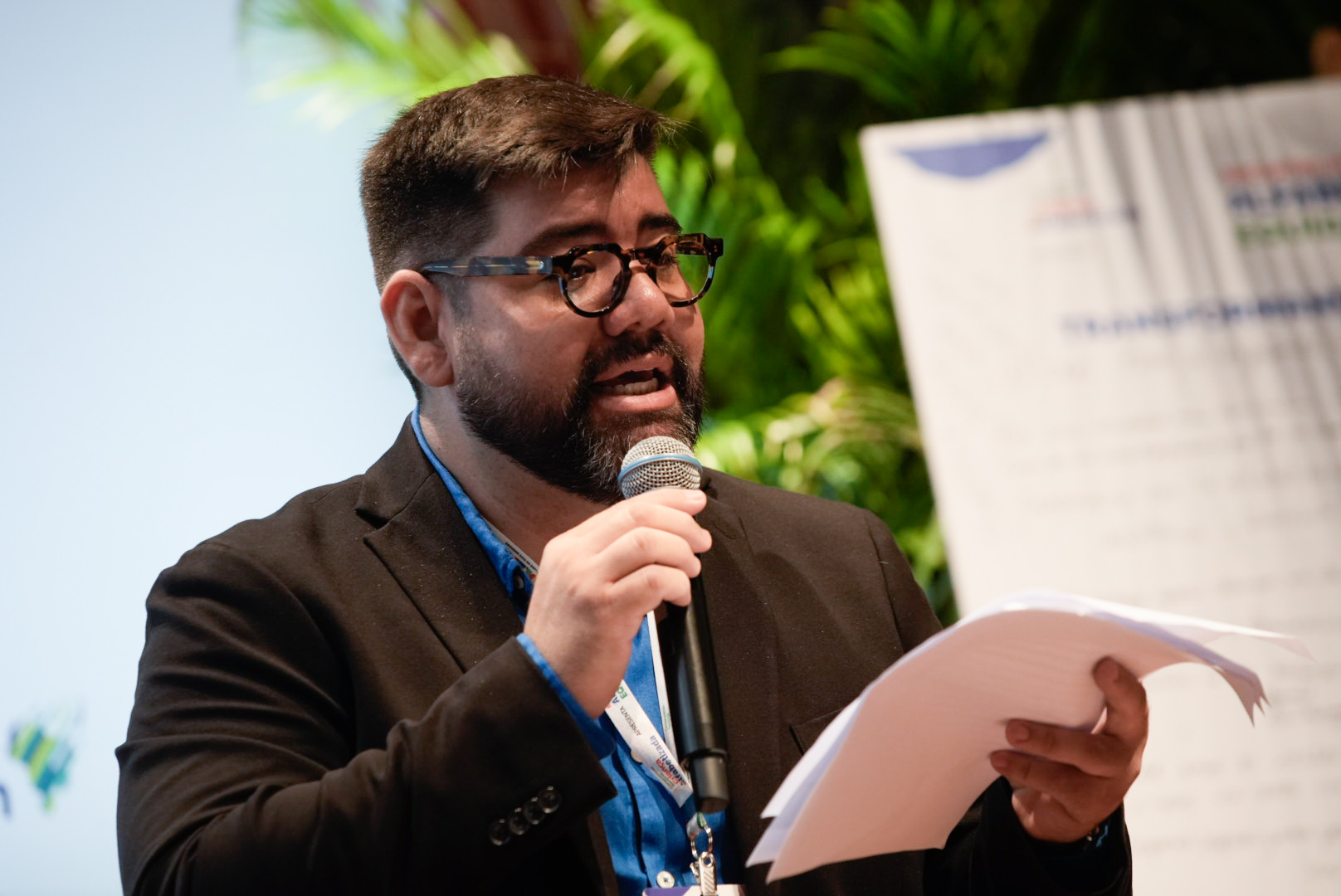
Moderated by Monica Silva, with the participation of Paola Uccelli, Professor at Harvard University (Peru); Telma Leal, Professor at UFPE (Brazil); Nicole Paulet, Executive Director of LABEDU (Brazil); Fernando Oliveira, UNIFESP and ABALF (Brazil); and Beatriz Diuk, Dale! (Argentina).
2/24 – Panel 9 – Literacy and childhoods: culture, sustainability, ethnic-racial relations and human rights
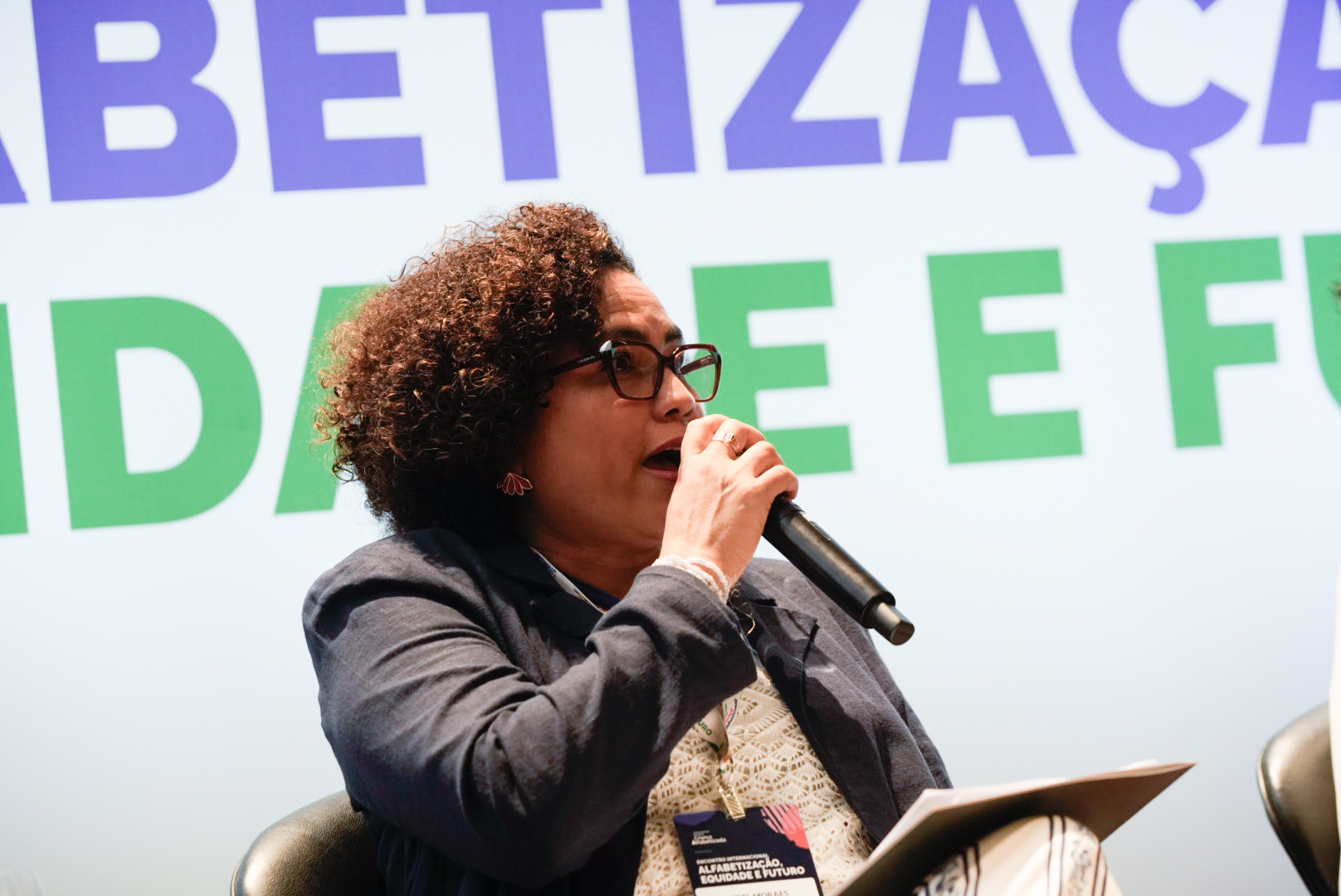
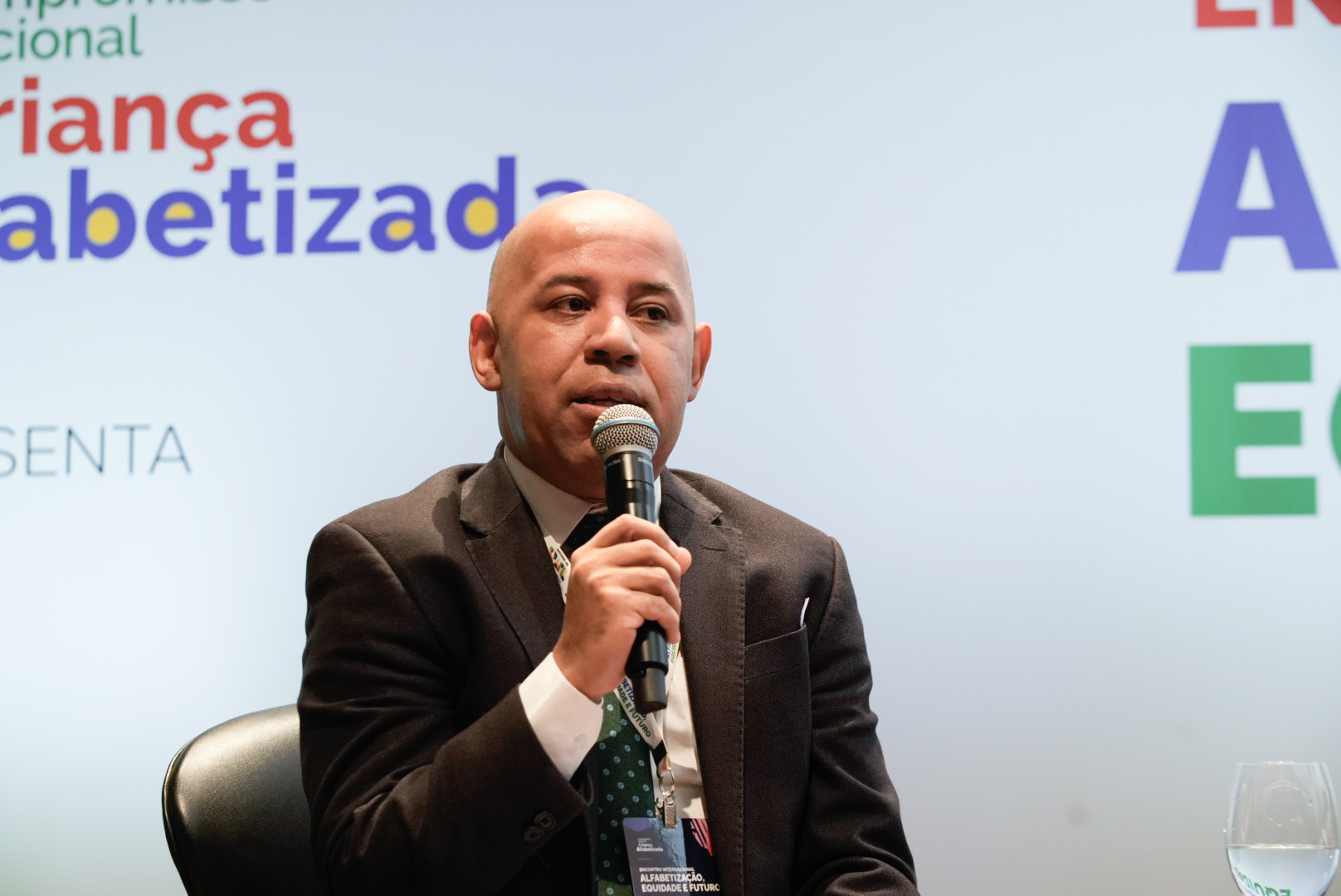
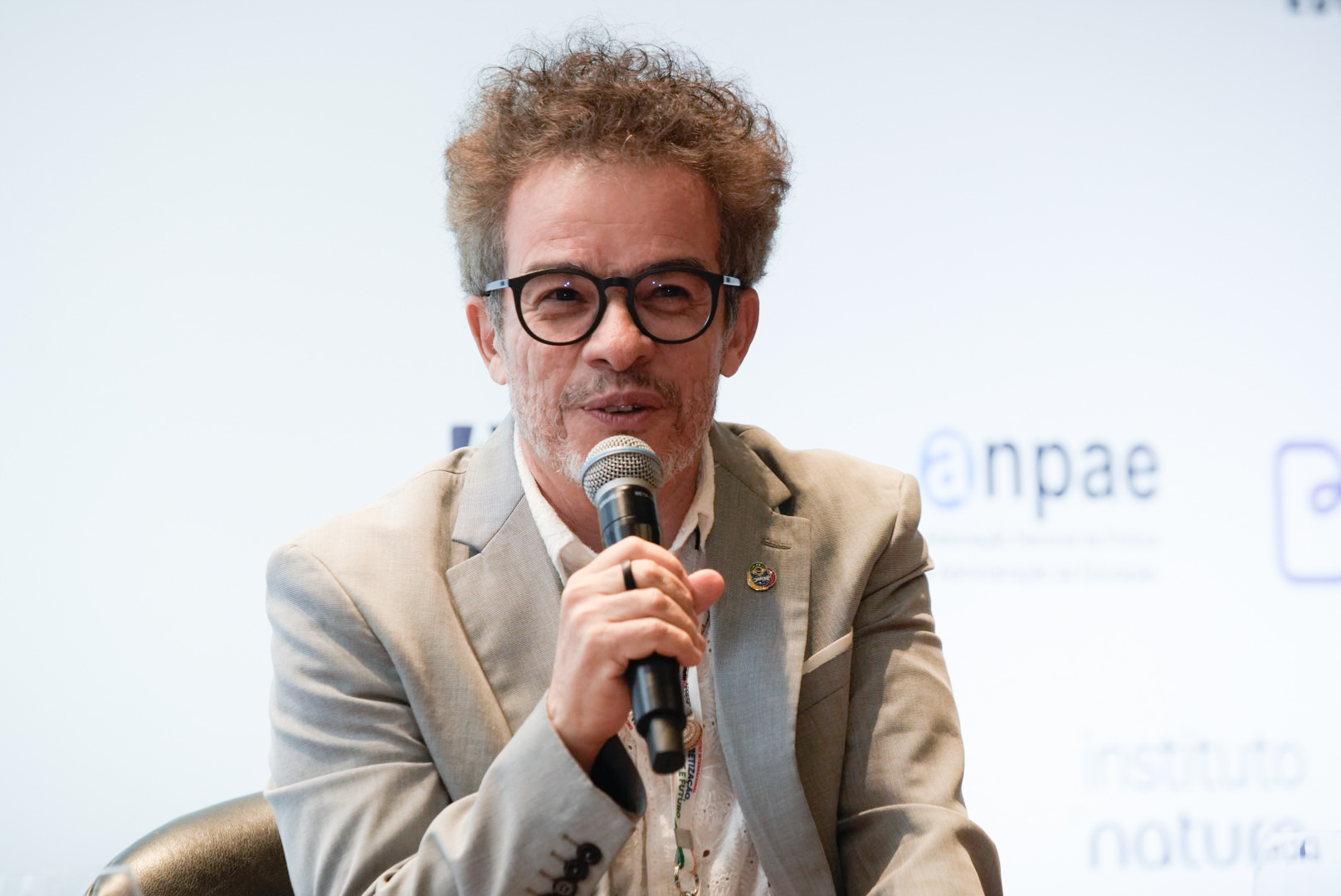
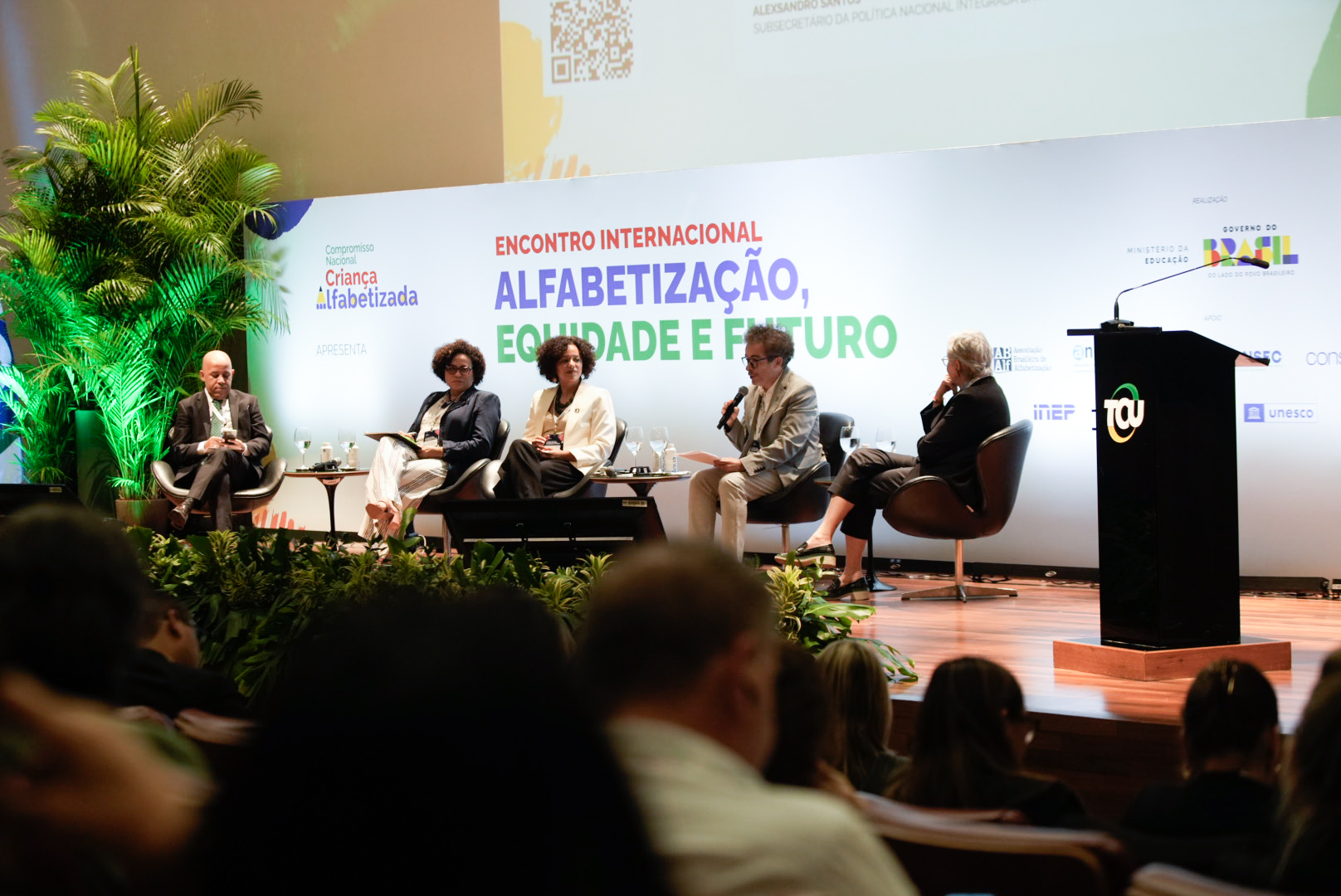
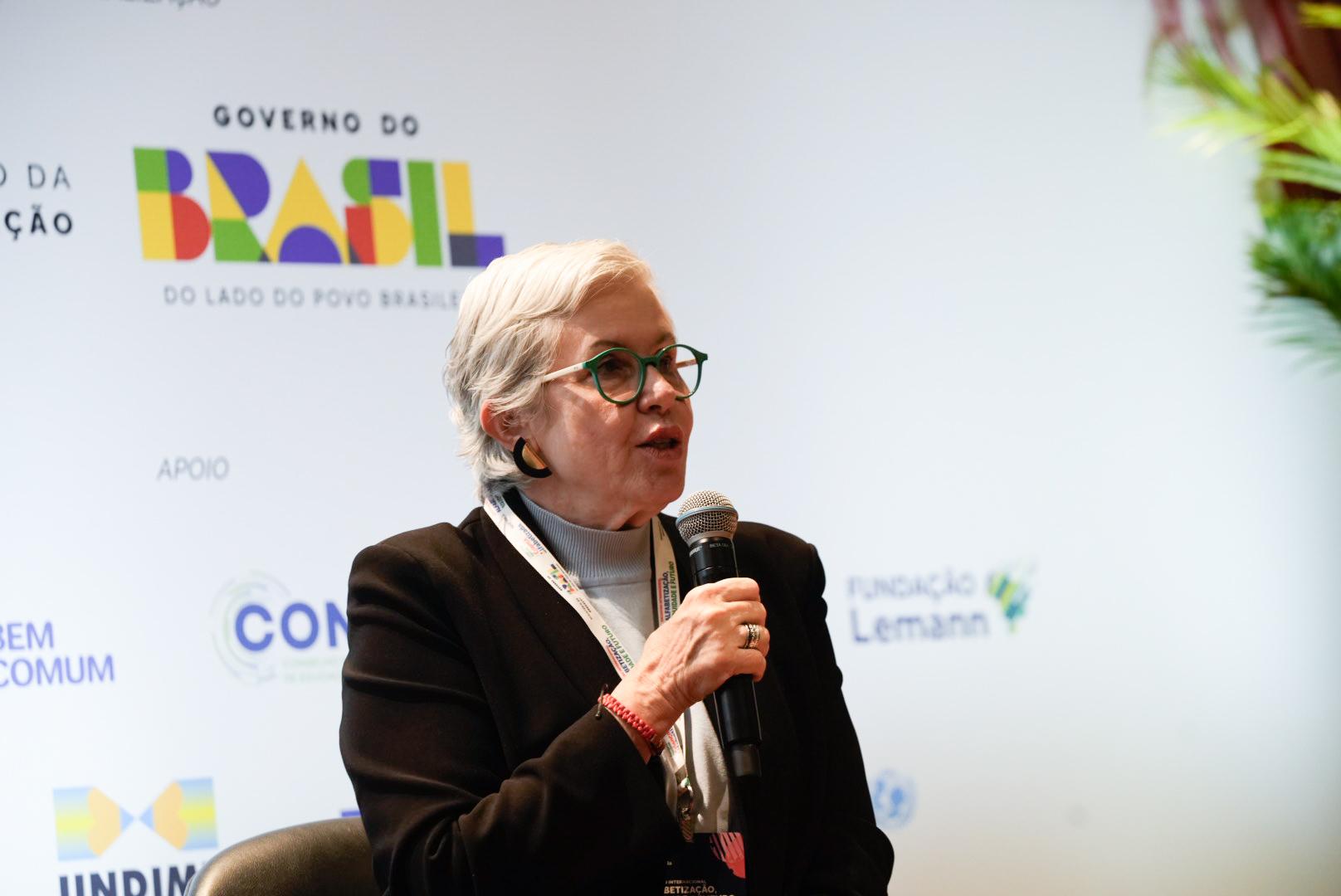
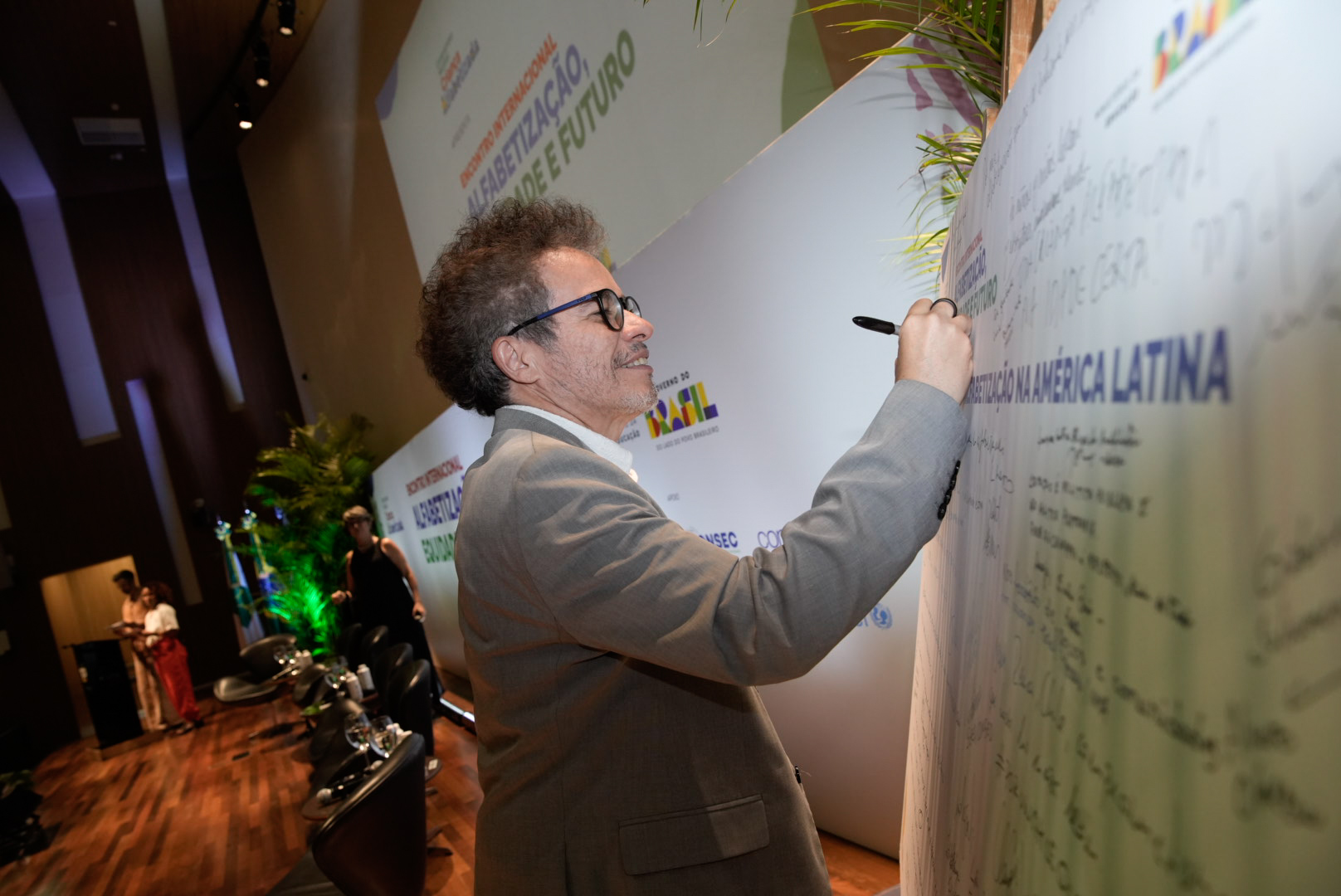
Moderated by Alexsandro Santos (Ministry of Education/Brazil), with the participation of Edel Moraes, National Secretary for Traditional Peoples and Communities and Rural Development (Brazil); Pilar Lacerda, National Secretary for the Rights of Children and Adolescents (Brazil); Bárbara Oliveira Souza, Deputy Executive Secretary of the Ministry of Racial Equality (Brazil); and Fabiano dos Santos Piúba, Secretary for Artistic and Cultural Education, Books and Reading (Brazil).
2/24 – Panel 10 – Literacy policies from the perspective of social and economic development in the continent
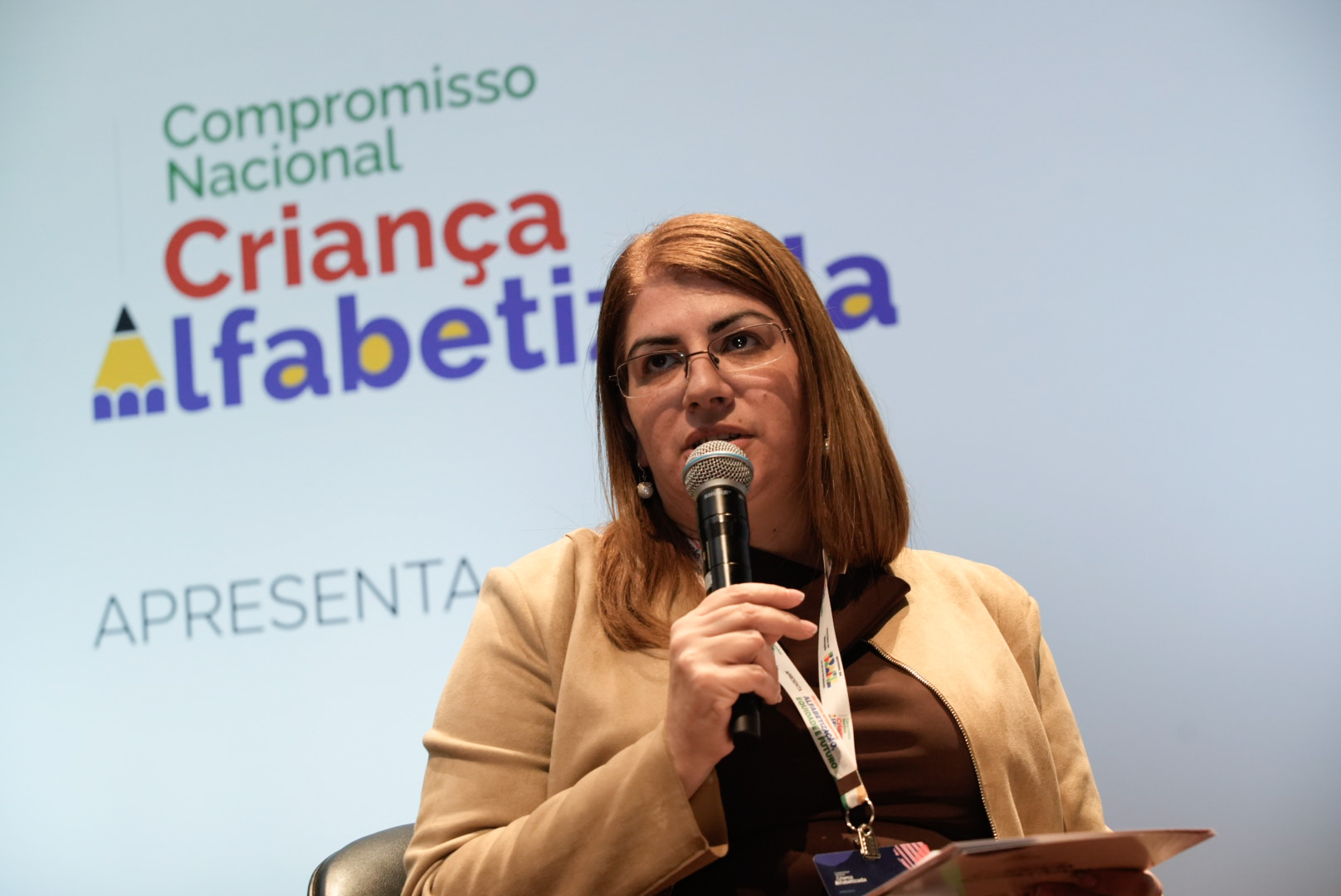
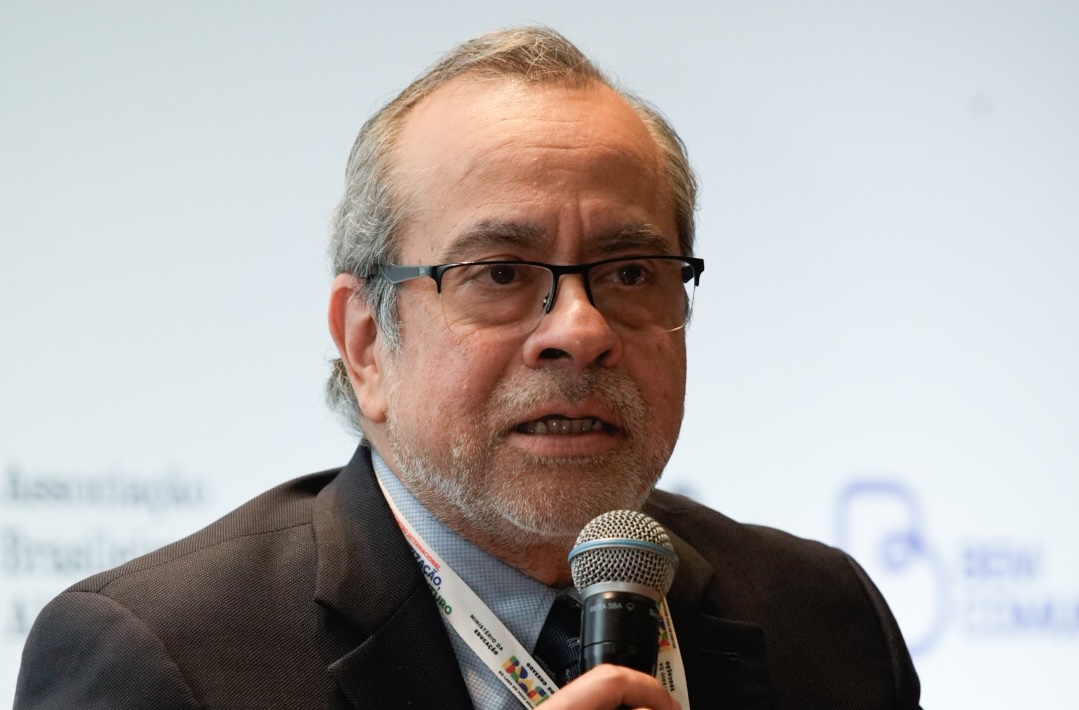
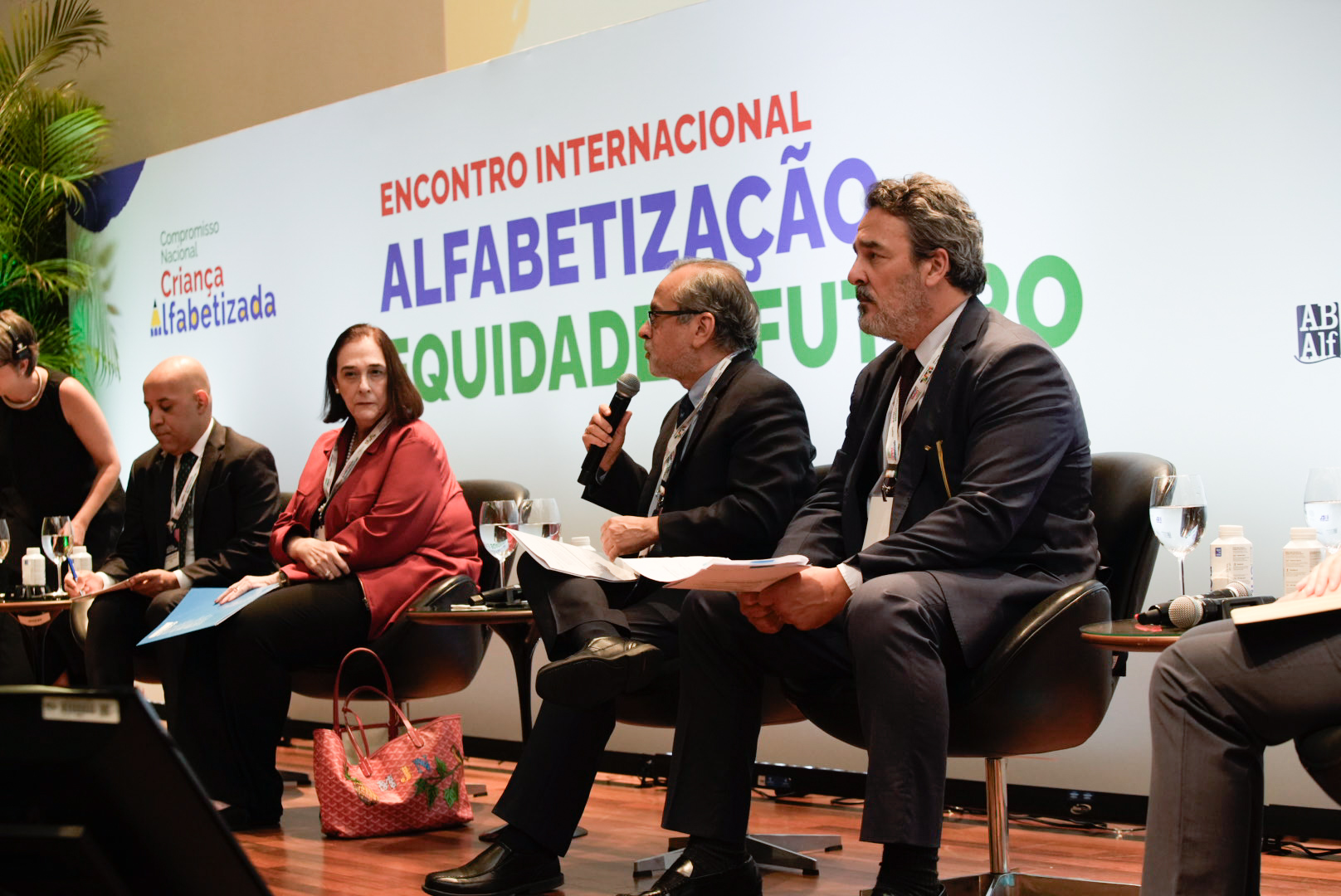
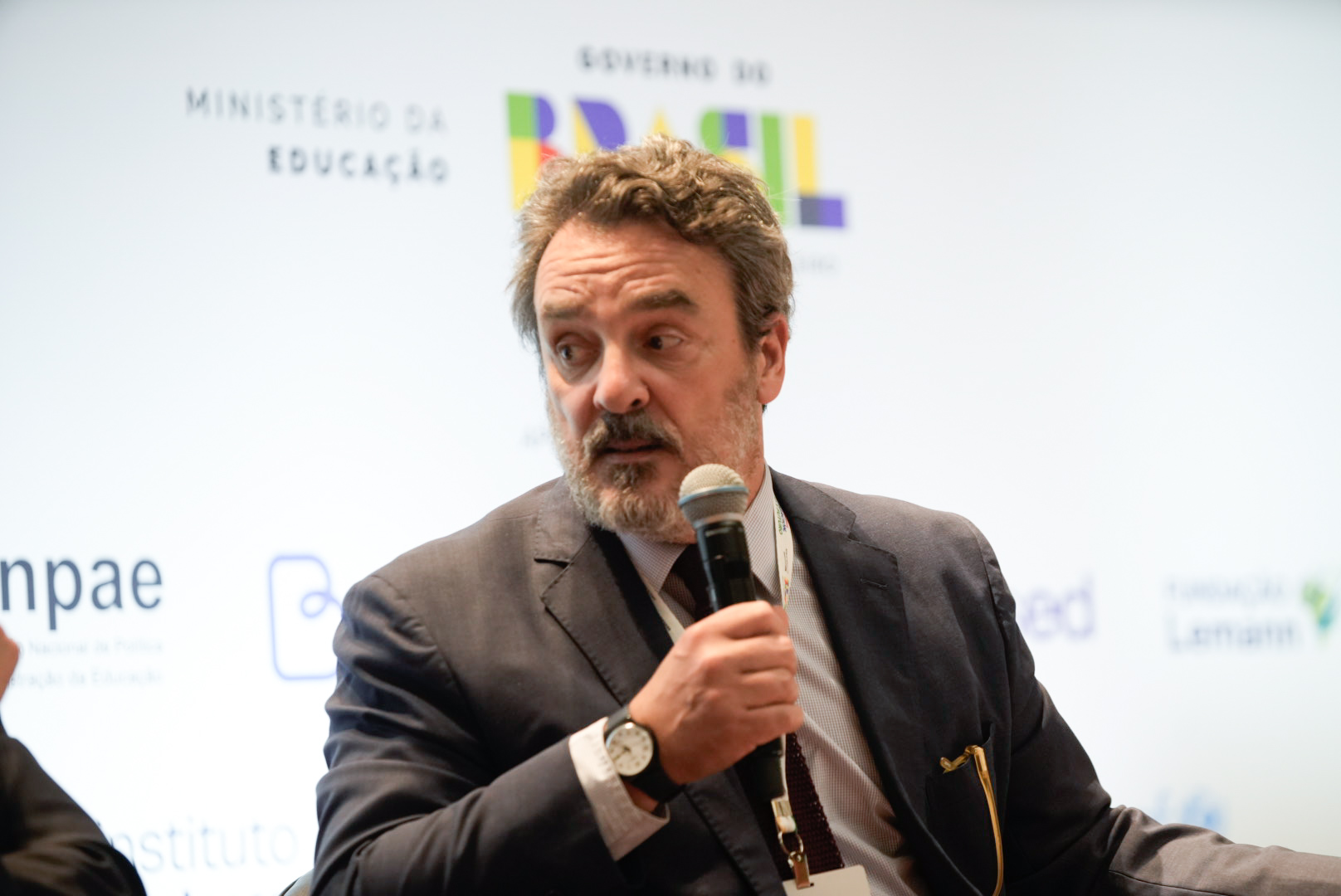
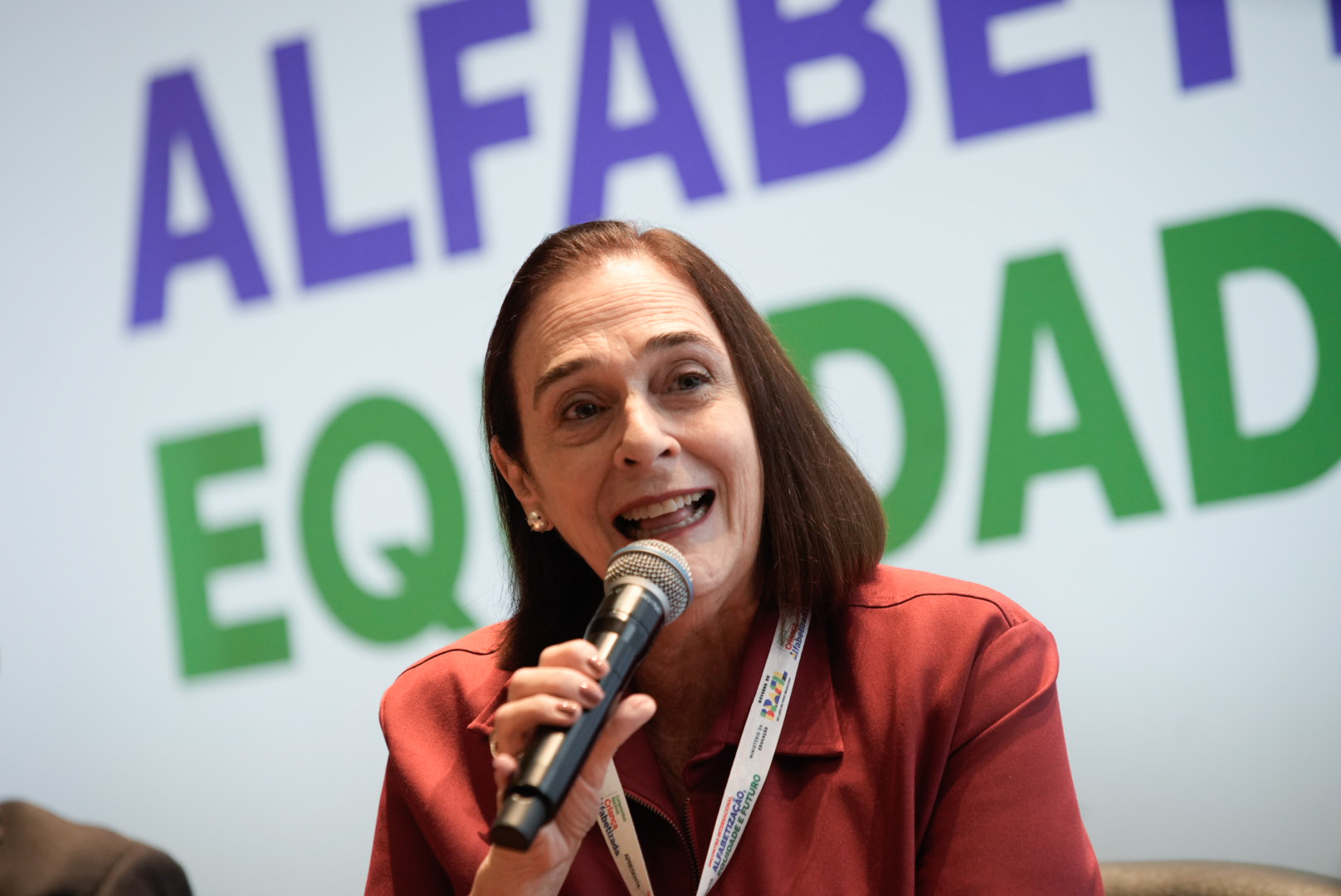
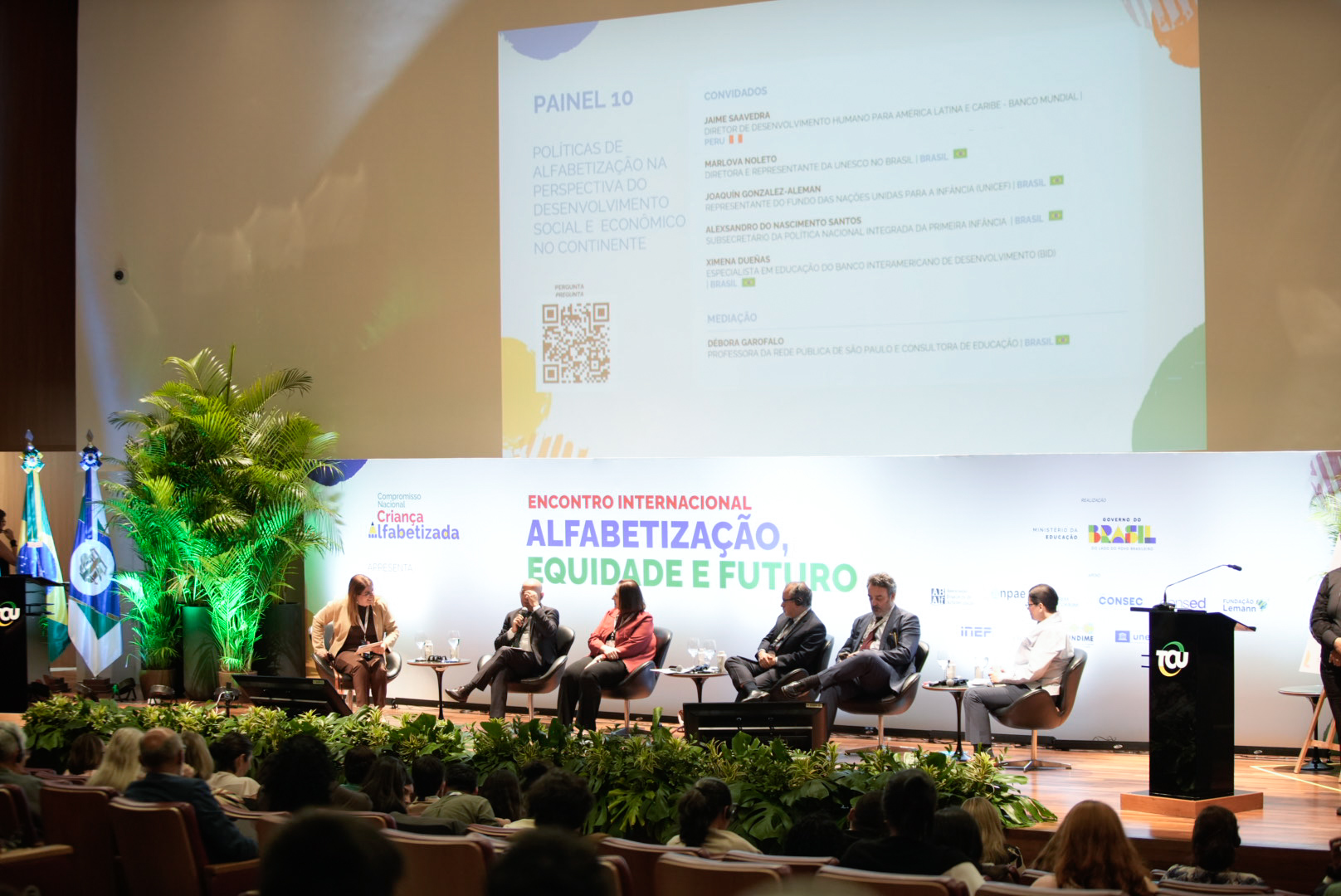
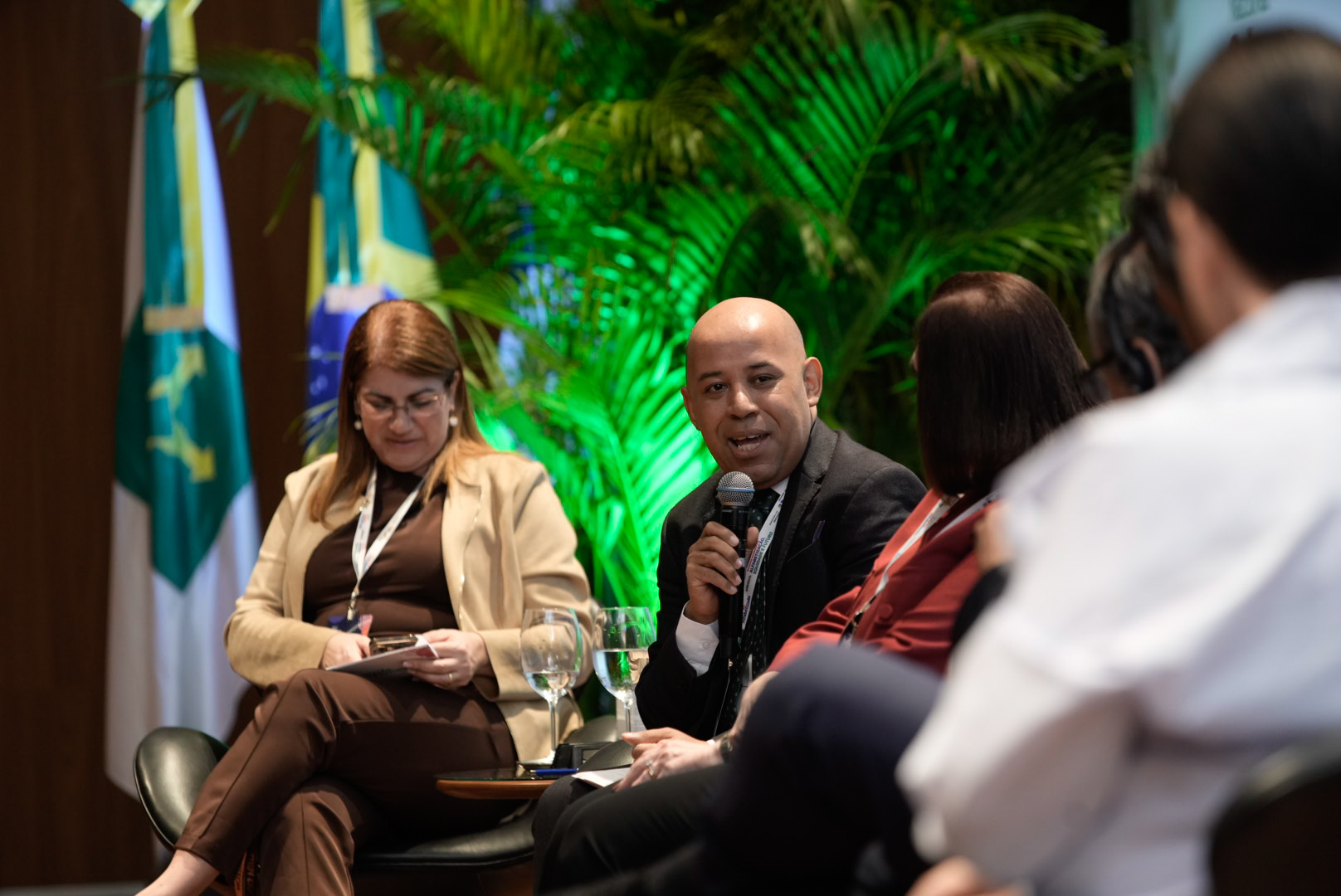
Moderated by Débora Garofalo, with the participation of Jaime Saavedra (World Bank); Marlova Noleto (UNESCO); Joaquim Gonzalez (UNICEF); Secretary Leonardo Barchini (Brazil); and Ximena Dueñas, Education Specialist and Author at the IDB (Brazil).
Photo credit: Press Office | MEC International Meeting
Recommended Content
- Alfabetização como alicerce para o futuro da América Latina , by David Saad and Anna Penido (Portuguese)
- Ebook: Alfabetização na Idade Certa na América Latina (Portuguese)
- Podcast Instituto Natura (Portuguese)