
Journalists from six Latin American countries participate in an immersion on literacy in São Paulo
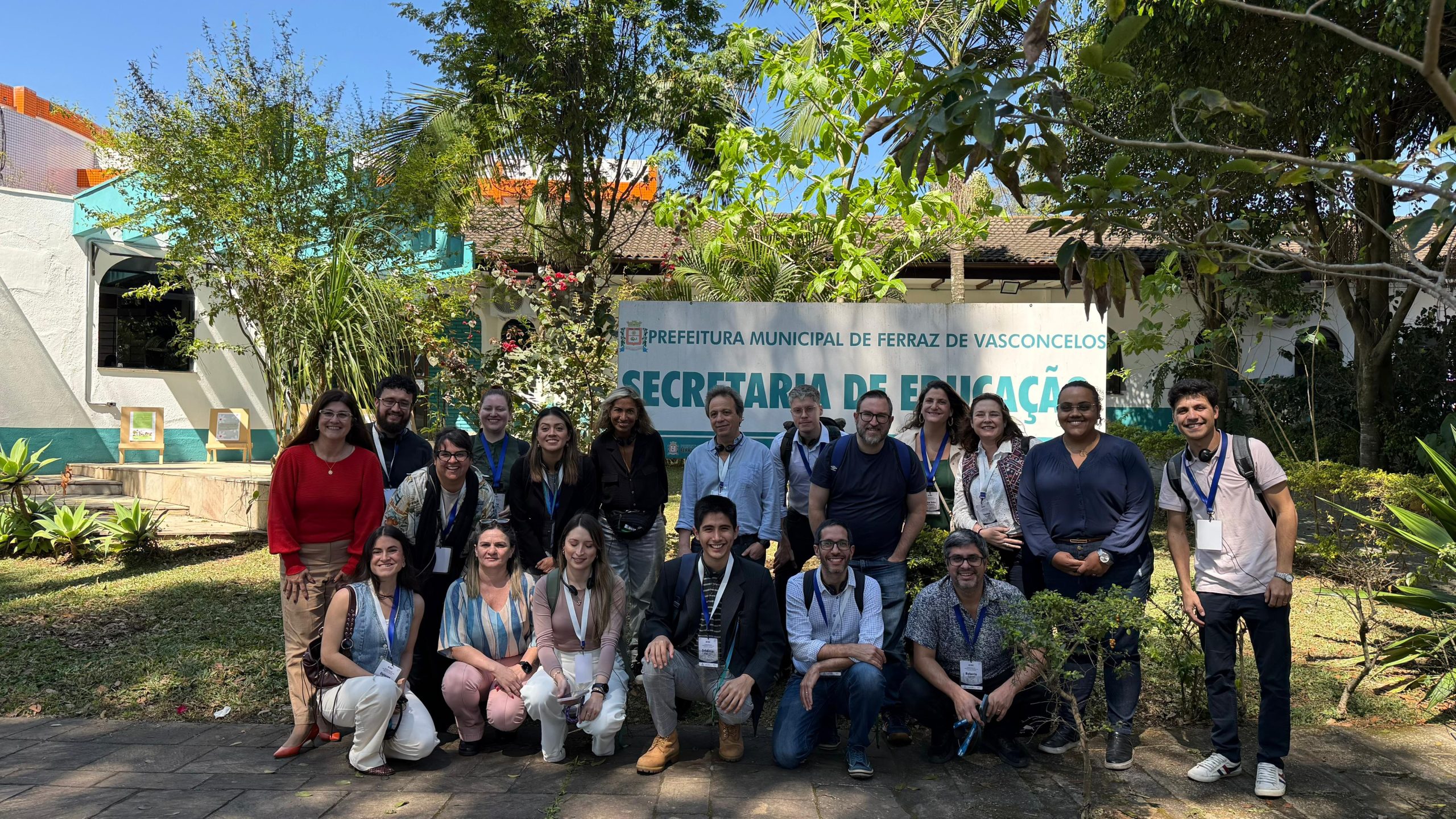
The meeting of the Educational Journalism Community – Inform to Transform brought together 12 professionals to learn about Brazilian experiences and discuss the role of journalism in education coverage across the region.
The meeting of the Educational Journalism Community – Inform to Transform brought together 12 professionals to learn about Brazilian experiences and discuss the role of journalism in education coverage across the region.
Twelve journalists from Argentina, Brazil, Chile, Colombia, Mexico, and Peru gathered in São Paulo on August 26 and 27 for an immersion dedicated to education, with a special focus on the challenges of literacy in Latin America.
The gathering was part of the Educational Journalism Community – Inform to Transform, an initiative of the Instituto de Evidencia Educativa (Institute for Educational Evidence – IEE), carried out with the support of Instituto Natura, Fundación SURA, and Fundación Arcor. The program connects specialized journalists with evidence, experiences, and sources in the field of education, while fostering exchange among professionals from different countries in the region.
The immersion in São Paulo followed a series of virtual meetings and expanded the discussion to various spaces where education is debated, monitored, and put into practice.
From the newsroom to the school
Over a two-day agenda, the group spoke with experts, education professionals, and Brazilian journalists, such as Renata Cafardo, founder and president of Jeduca, who presented an overview of Brazilian journalism from 1990 to the present, in addition to a visit to the Folha de S.Paulo newsroom. Amid the discussions on literacy, David Saad, CEO of Instituto Natura, spoke about the progress of policies addressing the issue in Brazil and shared his vision that the region is experiencing a unique window of opportunity, which we must seize to advance the agenda more swiftly.
In Ferraz de Vasconcelos, in the Metropolitan Region of São Paulo, the journalists visited The Municipal School of Basic Education Professor Diocésio de Menezes and the Municipal Department of Education. The visit allowed them to observe more closely how educational policies reach schools and to learn about experiences related to learning improvement.
The program concluded at the Lemann Foundation, featuring discussions on the progress and challenges of literacy in Brazil and the role of civil society in education. Maria Slemenson, Superintendent of Instituto Natura Brazil, participated in the conversation regarding civil society’s role alongside representatives from other organizations.
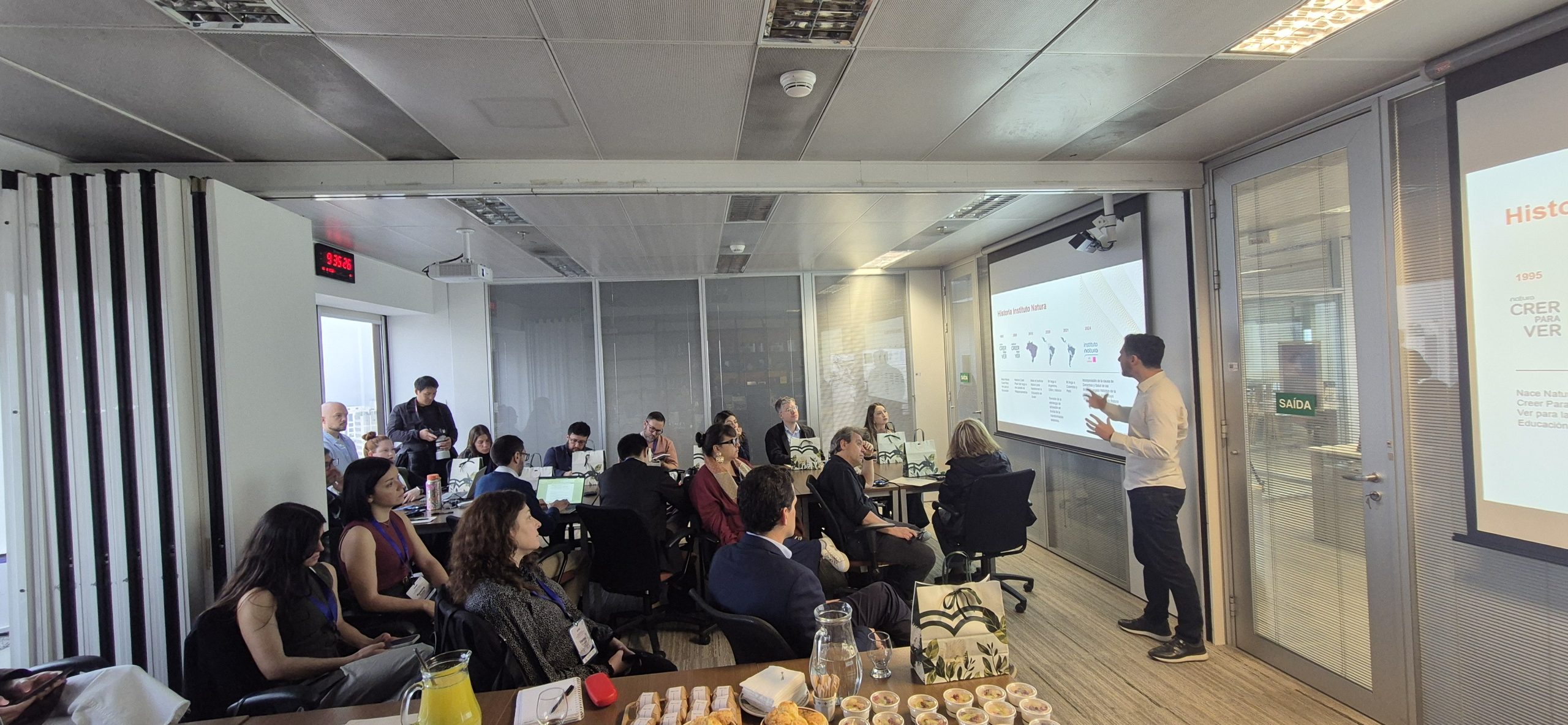
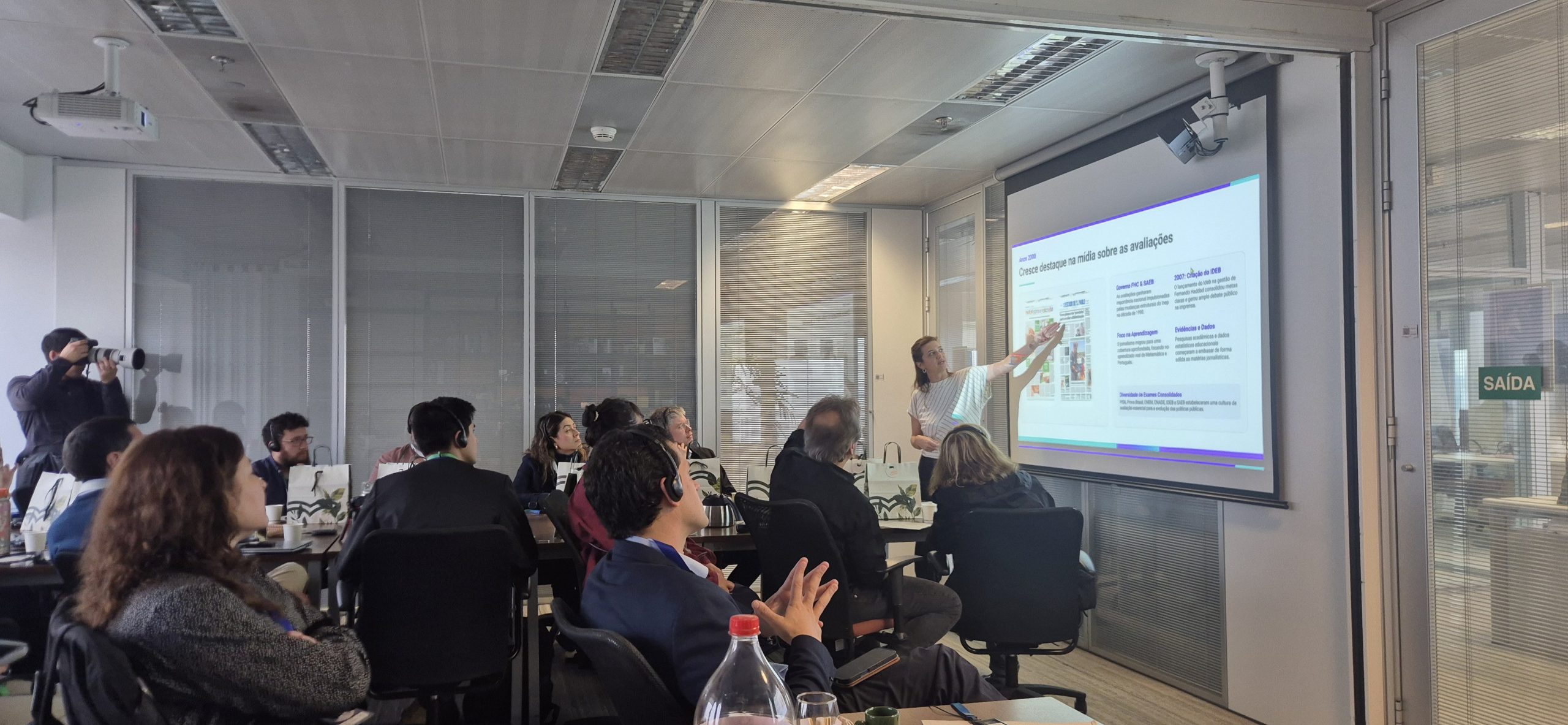
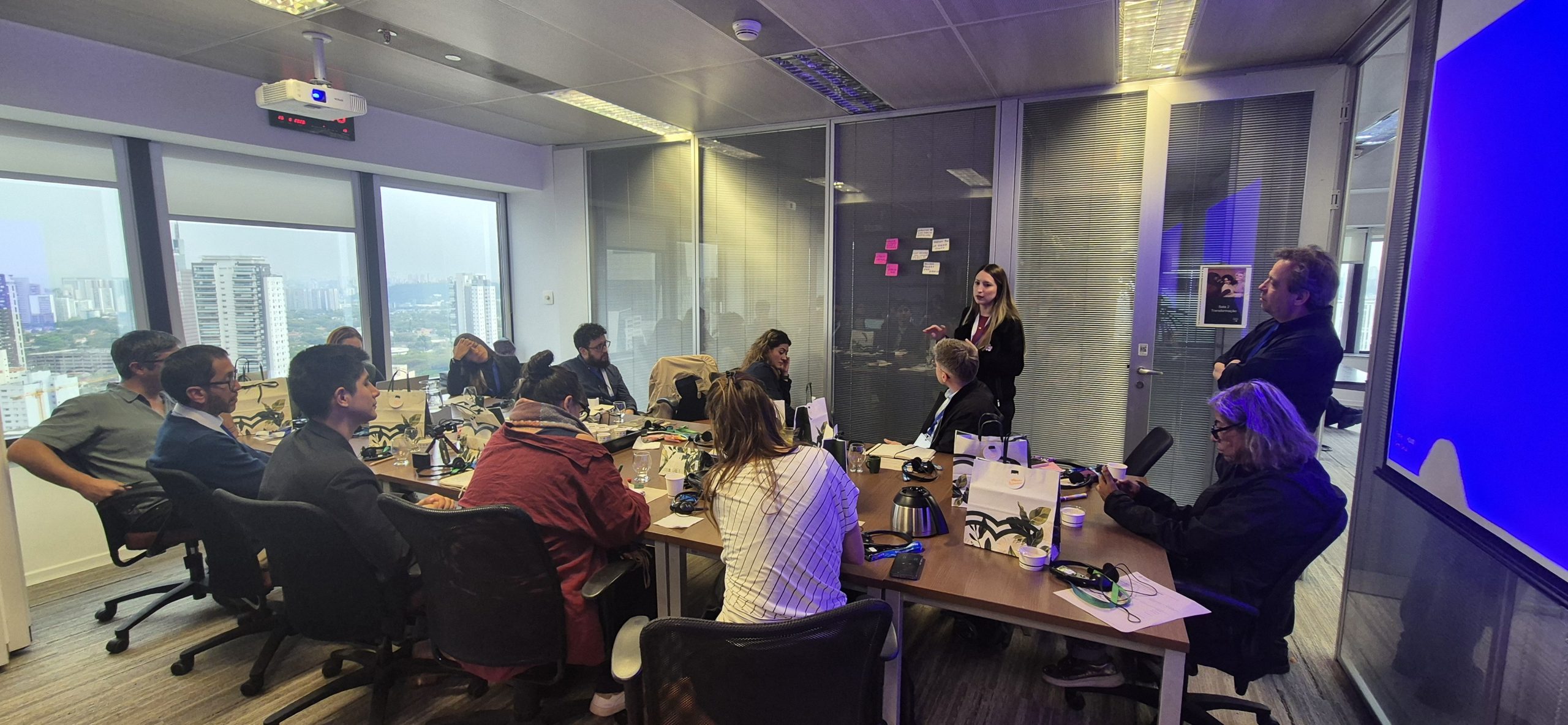
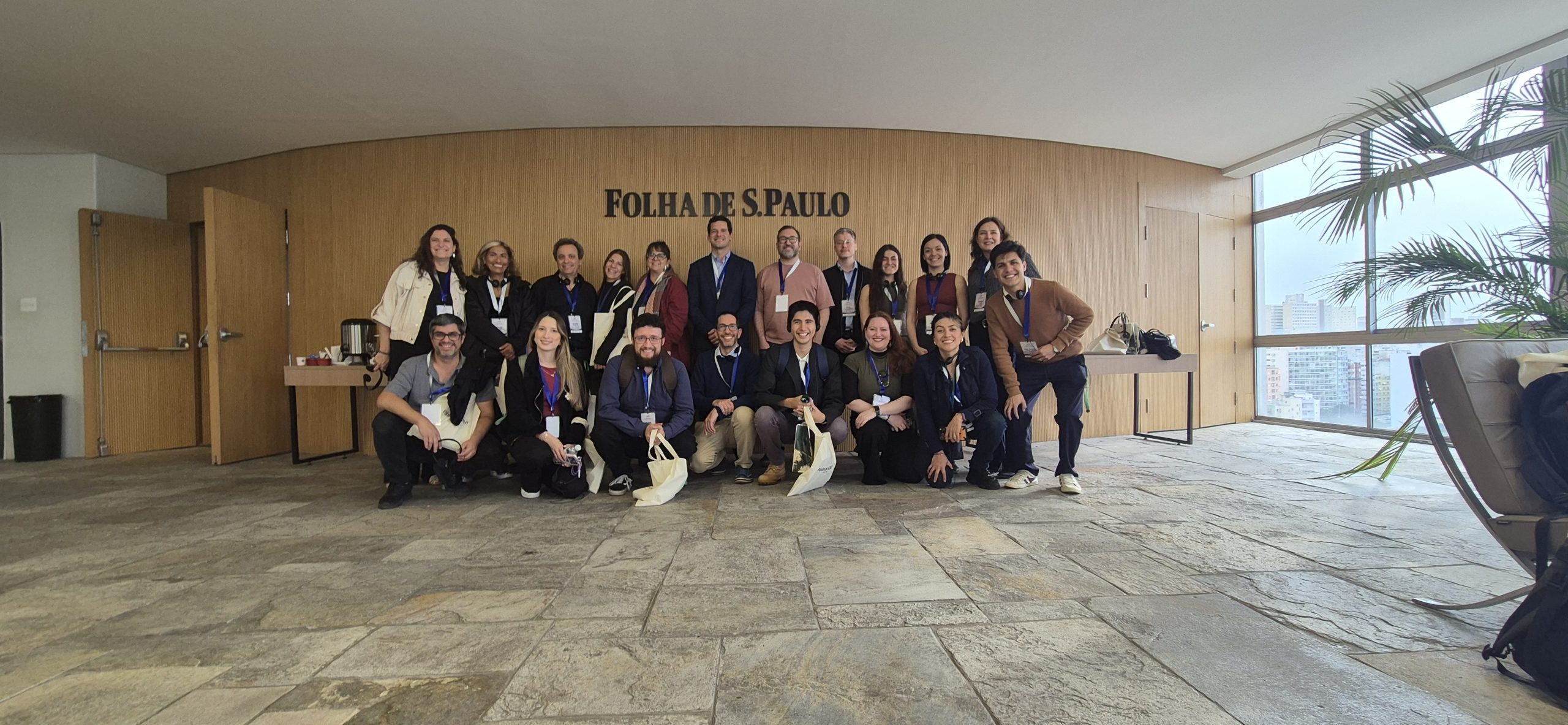
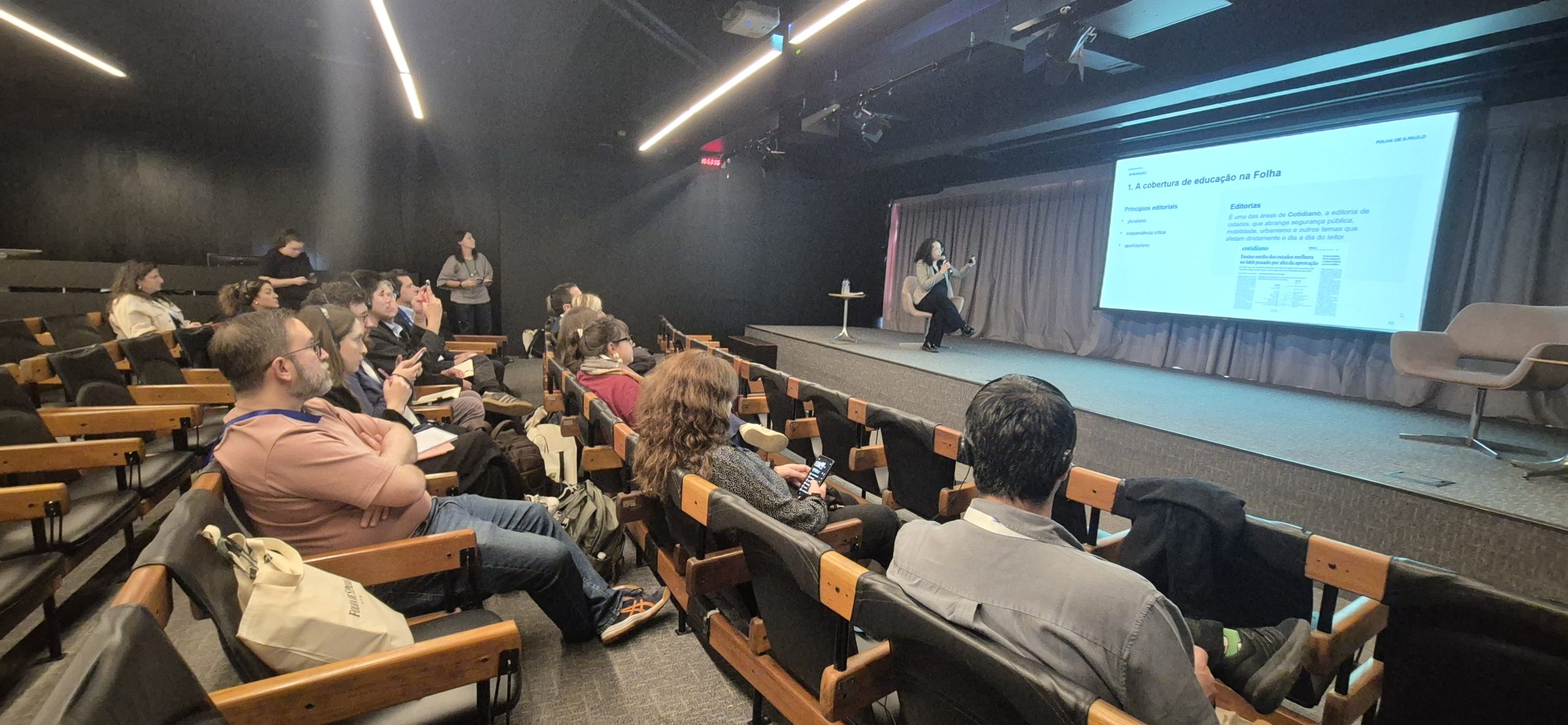
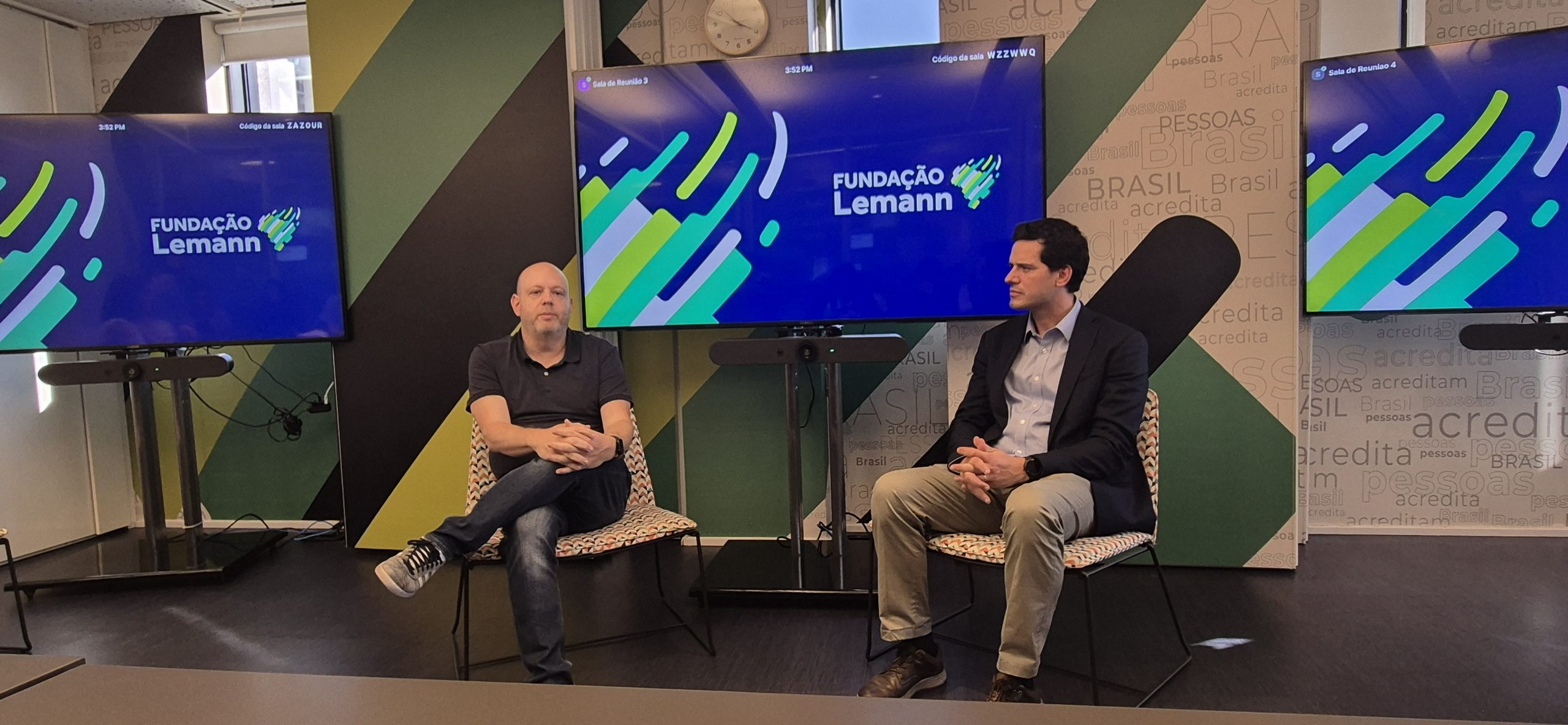
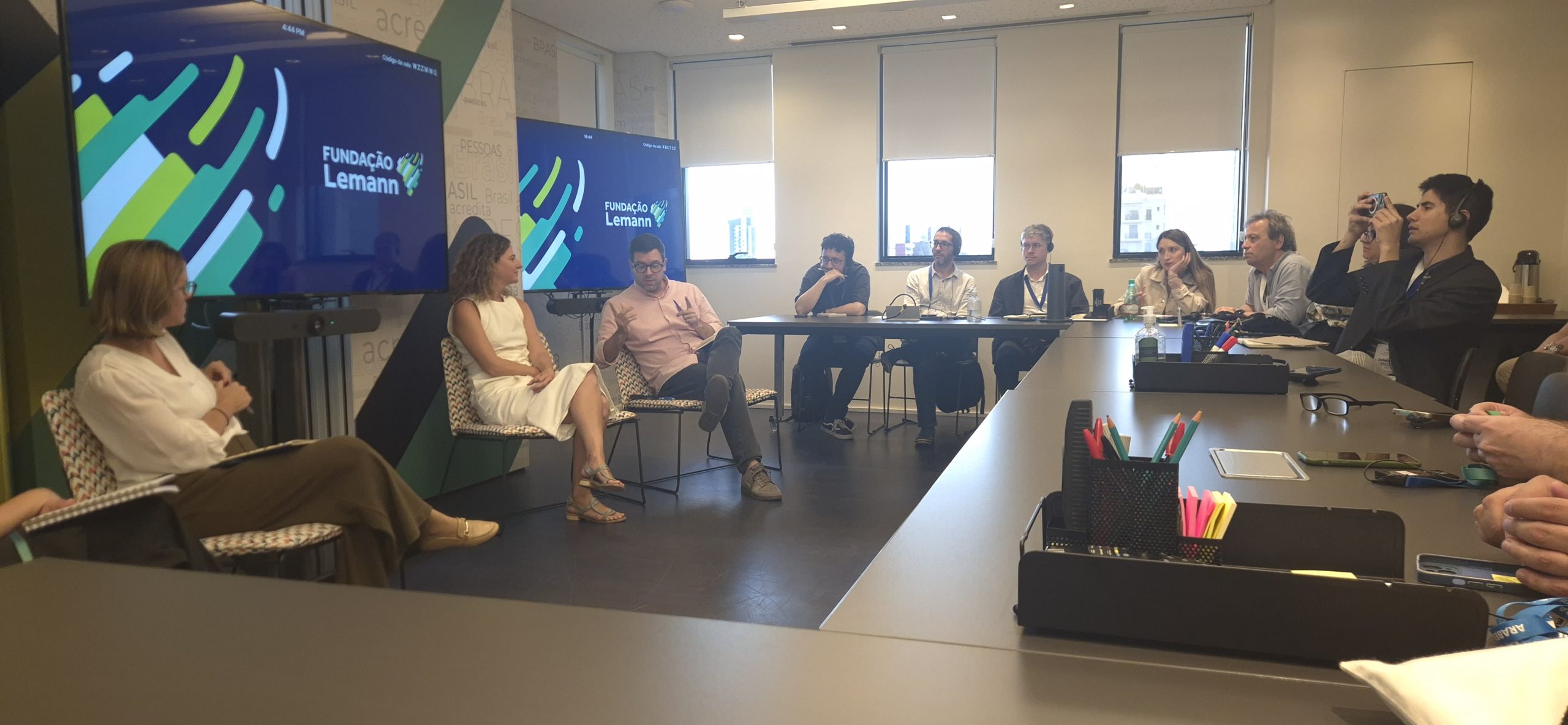
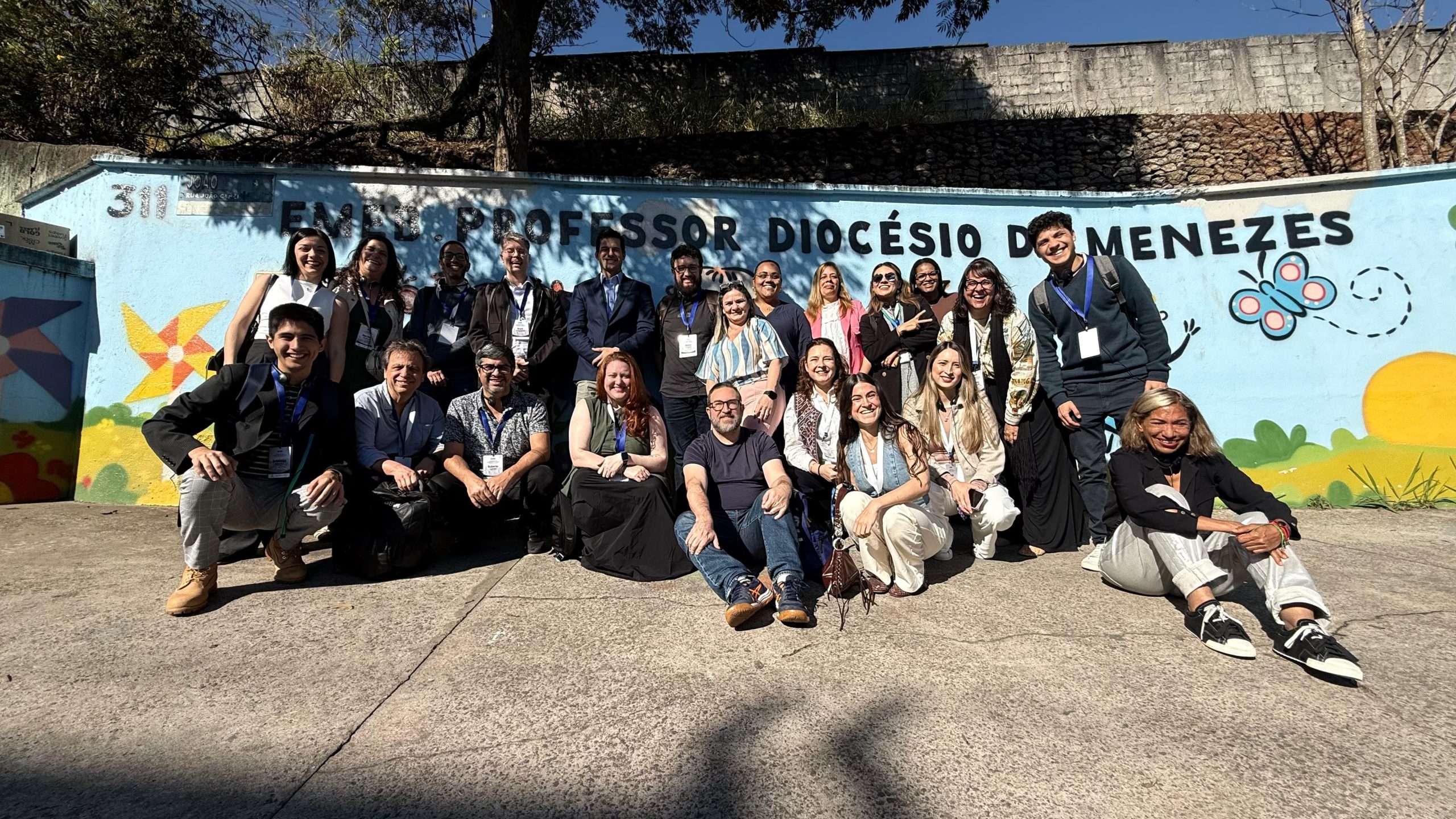
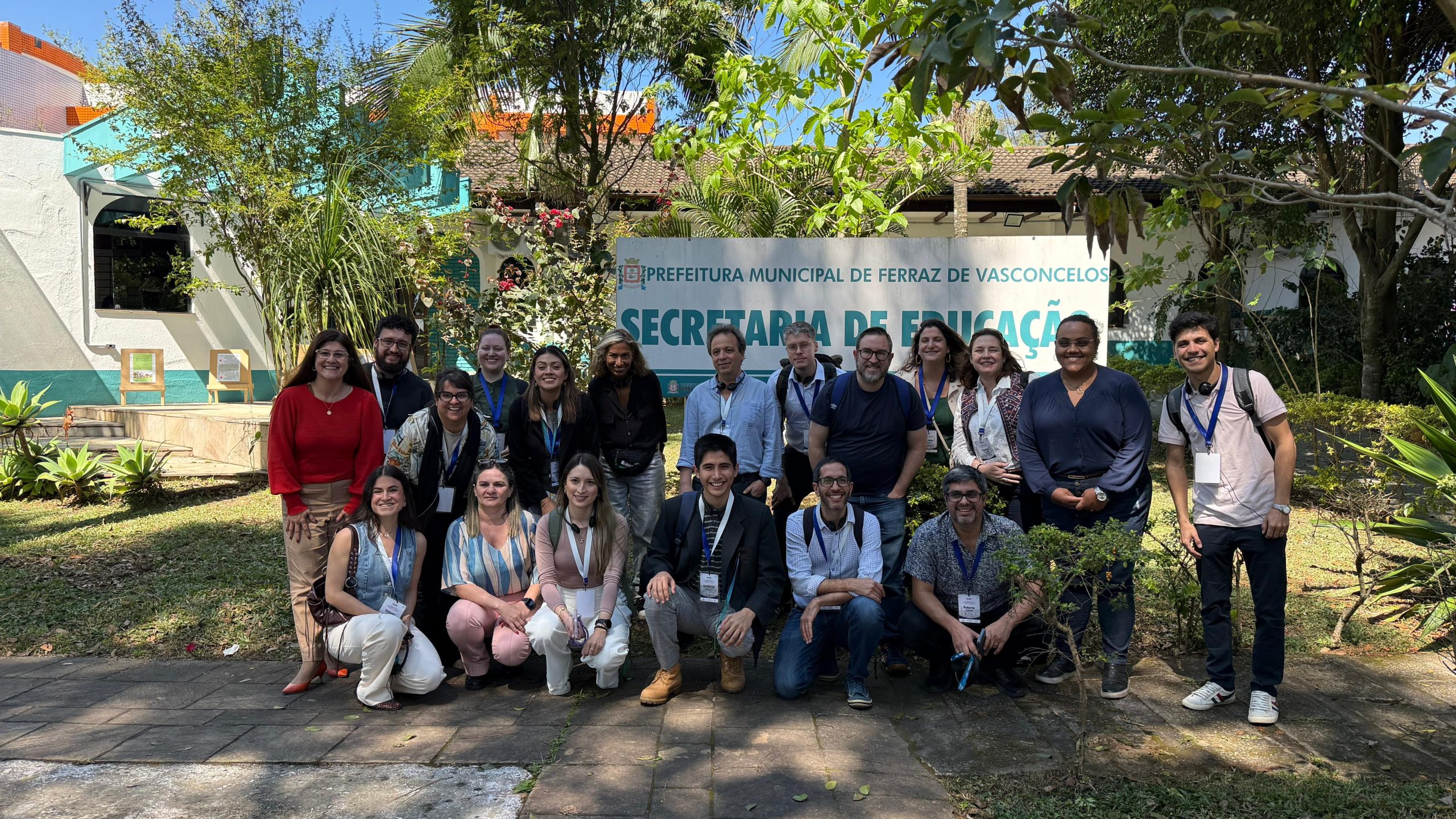
The meeting also addressed journalistic work itself: how to use evidence, find reliable sources, and rigorously monitor public policies. In the video summarizing the immersion, participants highlight the importance of journalism both in demanding progress in education and in providing visibility to experiences that are yielding positive results in Brazil and other Latin American countries. (Video in portuguese and spanish)
Literacy at the center of the agenda
The immersion took place at a time when literacy has been gaining prominence in the educational policies of various Latin American countries. This movement was the subject of an interview given by David Saad, CEO of Instituto Natura, to Infobae and published after the meeting (in Spanish).
For David, progress depends not only on good initiatives but also on public policies capable of enduring and achieving scale.
“Our vision is that a country’s education is transformed through the public sector, with robust, consistent, and sustainable public policies over time,” he states.
This continuity is particularly important at a time when various countries in the region are placing literacy among their priorities. For David, there is an opportunity to achieve significant progress, provided that this commitment is maintained.
“If we allow the priority to drop in three years and start talking about something else, we will lose the window of opportunity,” he warns.

Information to straighten education
The time spent in São Paulo is one of the stages of the Educational Journalism Community – Inform to Transform. Following the virtual meetings and the in-person immersion, each participant will develop a journalistic piece related to literacy, based on the evidence, experiences, and lessons gathered during the program.
By bringing together professionals from different countries, the initiative seeks to strengthen a regional network of educational journalism and contribute to an increasingly qualified coverage of educational challenges in Latin America.